
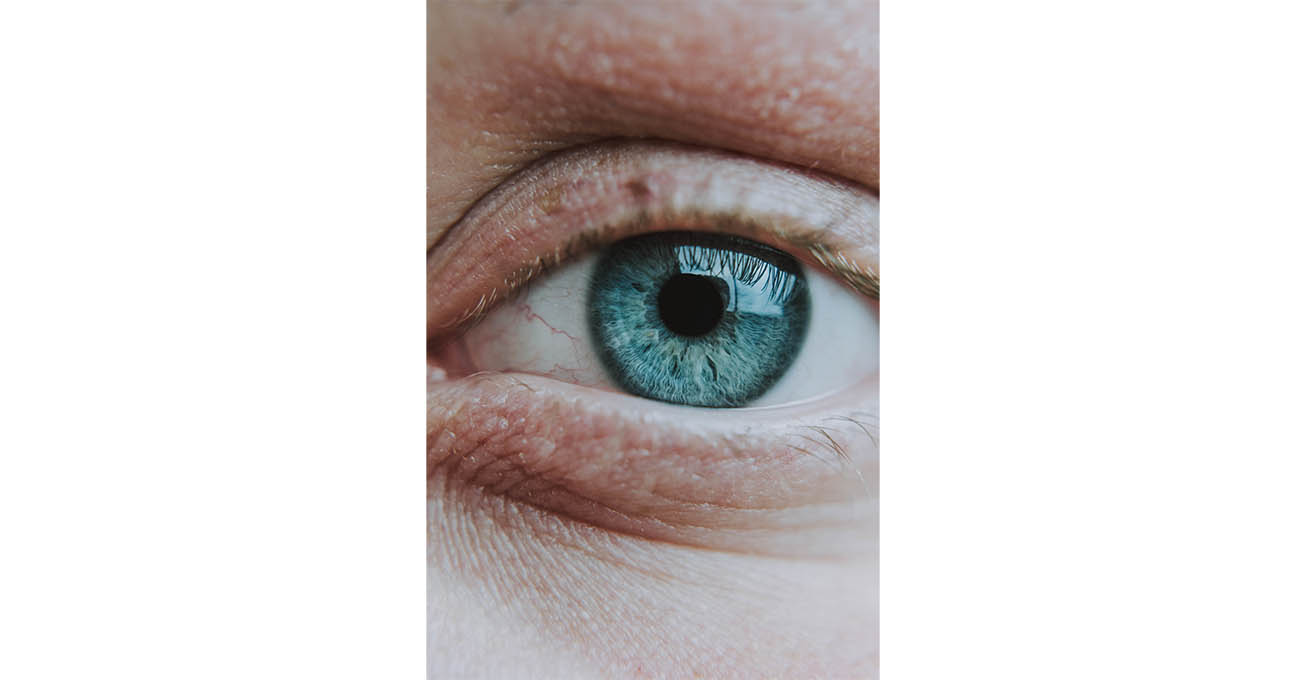
Digital eye strain has quietly become one of the most common workplace complaints, and it’s not hard to see why.
The average office worker now spends the majority of their day looking at a screen, whether that’s a monitor, laptop, or phone, often without the regular breaks that would normally give their eyes a rest. What used to be an occasional end-of-day ache has become a near-daily issue for a growing share of the workforce.
This piece looks at why eye strain is becoming more common at work, what’s driving it, and what practical steps both employers and employees can take to reduce it.
What’s Actually Changed About How We Work
A few shifts have converged to make eye strain a bigger issue than it was a decade ago. Remote and hybrid working has increased total screen time for many employees, since commuting time has often been replaced with additional screen-based tasks rather than reduced hours. Meeting culture has also shifted heavily toward video calls, which require sustained, close-focus attention in a way phone calls never did.
At the same time, multi-monitor setups have become standard in many roles, meaning employees are constantly shifting focus between screens at different distances and angles throughout the day. None of these changes happened all at once, but together they’ve meaningfully increased daily visual demand.
Why Screens Cause Eye Strain in the First Place
The core issue isn’t screens themselves, but how they affect natural eye behaviour. Staring at a fixed distance for extended periods significantly reduces blink rate, which means eyes produce less moisture than they normally would throughout the day.
This is compounded by common office conditions: poor lighting, screen glare, awkward monitor positioning, and long stretches without breaks. Individually, these factors seem minor. Over a full workday, they add up to genuine, measurable discomfort.
Contact Lens Wearers Face an Added Layer of Strain
For employees who wear contact lenses, screen-related dryness compounds in a way it doesn’t for glasses wearers, since reduced blinking directly affects lens moisture and comfort throughout the day.
Lens material and replacement schedule play a bigger role here than many people realise. Lenses that sit on the eye for longer periods can accumulate deposits that make existing screen-related dryness feel noticeably worse by the afternoon. This is one of the reasons many contact lens wearers are increasingly drawn to the benefits of ACUVUE OASYS, particularly the ACUVUE OASYS 1-Day with HydraLuxe design, which is built around maintaining moisture throughout long periods of visual demand, exactly the conditions a typical screen-heavy workday creates.
Employees who wear ACUVUE OASYS 1-day contacts or similar daily options also avoid the deposit buildup that comes with reused lenses, which matters more during consecutive screen-heavy workdays than it might during lighter weeks.
The Business Cost of Ignoring Eye Strain
Eye strain isn’t just an individual discomfort issue, it has a real impact on productivity. Employees dealing with persistent eye strain often experience reduced focus, more frequent breaks to relieve discomfort, and in some cases, headaches severe enough to require time away from their desk.
For businesses, this translates into a quieter but genuine productivity cost. Unlike more visible workplace health issues, eye strain rarely gets flagged directly, employees are more likely to simply push through discomfort than raise it as a workplace concern, which means it often goes unaddressed until it becomes a bigger problem.
Simple Workplace Adjustments That Genuinely Help
A handful of low-cost changes can meaningfully reduce eye strain across a workforce, without requiring new equipment or significant disruption.
- Encourage the 20-20-20 rule. Every 20 minutes, looking at something roughly 20 feet away for 20 seconds gives eye muscles a genuine break from fixed-distance focus.
- Review monitor positioning. Screens positioned slightly below eye level and at arm’s length reduce unnecessary strain compared to screens that are too close or too high.
- Address glare and lighting. Repositioning desks away from direct light sources, or adding anti-glare screen protectors, is a low-cost fix with a real impact.
- Normalise regular breaks. A workplace culture that treats short screen breaks as acceptable, rather than something to apologise for, makes a genuine difference to whether employees actually take them.
Why This Is Becoming an HR and Wellbeing Priority
According to the Health and Safety Executive, employers have a responsibility to ensure display screen equipment doesn’t pose unnecessary health risks to employees, which includes providing eye tests on request for employees who use screens as a significant part of their role. This isn’t just good practice, it’s a genuine workplace health consideration that’s increasingly being factored into broader employee wellbeing policies.
As remote and hybrid work continues to be the norm rather than the exception, eye strain is likely to remain a relevant workplace health topic rather than a passing concern, particularly as total daily screen time shows little sign of decreasing.
What Employees Can Do Individually
Beyond workplace-level changes, individual habits make a measurable difference too.
- Pay attention to blink rate during focused work. Consciously blinking fully, rather than the partial blinks common during concentrated screen use, helps redistribute moisture more effectively.
- Reconsider contact lens choice if dryness is a recurring issue. Switching to a lens specifically designed around moisture retention, such as oasys contacts, can meaningfully improve comfort during long screen days.
- Build in a genuine lunch break away from screens. Even 20 to 30 minutes without screen exposure during the day gives eyes a more substantial recovery period than short breaks alone.
- Get an up-to-date prescription. Uncorrected or outdated vision correction can make screen-related strain considerably worse than it needs to be.
Frequently Asked Questions
Is digital eye strain a recognised workplace health issue?
Yes, it’s increasingly recognised as a genuine workplace wellbeing concern, particularly as screen-based roles have become more common across industries.
Can switching contact lenses really help with workplace eye strain?
For many wearers, yes. Lenses designed around moisture retention, like ACUVUE OASYS daily options, can reduce the dryness that compounds with long screen use, though individual results vary.
Are employers required to address eye strain in the workplace?
In the UK, employers have obligations under display screen equipment regulations, including offering eye tests on request for employees whose roles involve significant screen use.
How quickly can workplace adjustments reduce eye strain?
Many employees notice improvement within days of consistently applying changes like the 20-20-20 rule and better screen positioning.
Does working from home make eye strain worse than working in an office?
It can, particularly if home setups lack proper monitor positioning or lighting considerations that offices are more likely to have addressed already.
Eye strain has moved from an occasional complaint to a genuine, ongoing workplace health consideration, largely driven by how much daily screen time has increased across most office-based roles. Addressing it doesn’t require major investment, simple habits, sensible workplace adjustments, and the right contact lens choice for screen-heavy days can all meaningfully reduce the problem, for both employees and the businesses that rely on their focus and wellbeing.