
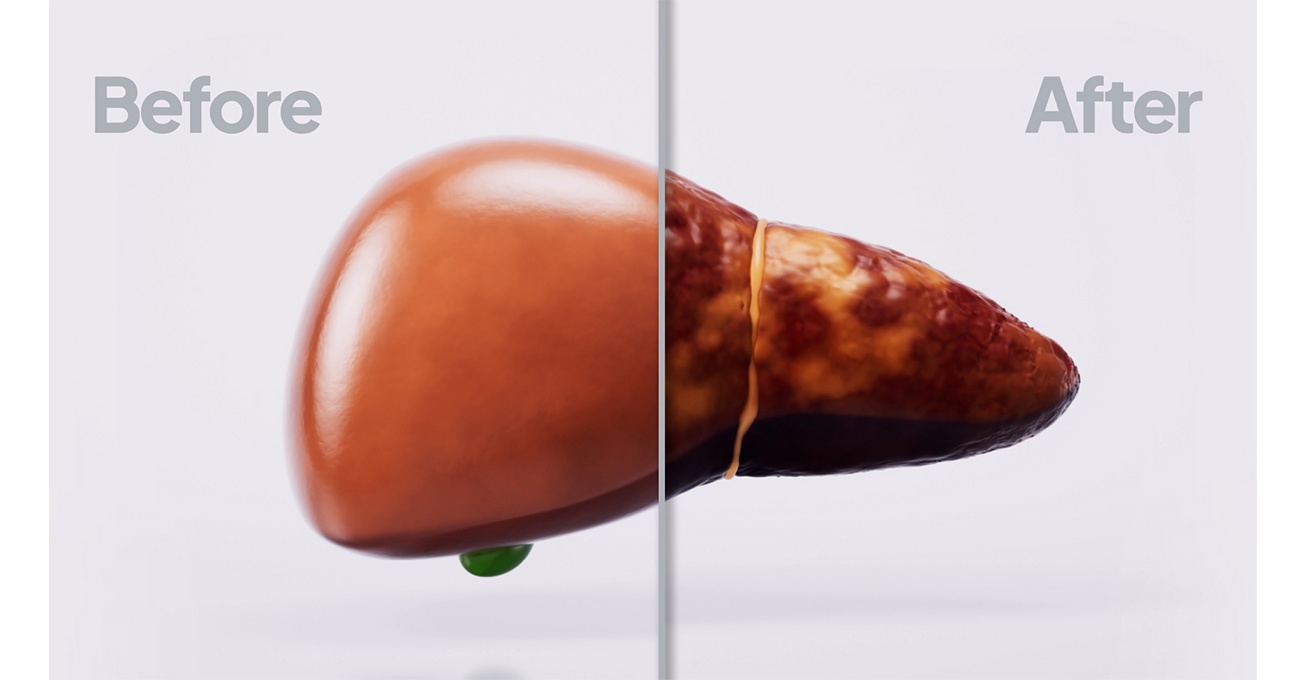
 A quarter of UK men have abnormal liver results — could Dry January be the health kick they need?
Home blood testing company, Medichecks, released new data revealing 24.2% of men who tested in the last year had raised alanine aminotransferase (ALT) levels, an enzyme which could indicate serious liver problems.
As thousands of Brits begin the year with Dry January, the findings emphasise the importance for men to prioritise their liver health.
The results are based on data from 33,292 customers from November 2023 to November 2024, and reveal:
- 24.2% of men had abnormal ALT results.
- 10.2% of women had abnormal ALT results.
- Men were more than twice as likely as women to have abnormal ALT levels.
- Men aged 18-40 were particularly susceptible to abnormal ALT levels.
- 4.1% of men aged 18-40 had significantly raised ALT which can point to serious liver problems.
ALT is a key enzyme that reflects liver health. Although some benign causes such as viral illness or intense exercise can raise ALT levels, elevated levels often signal liver damage. Common causes include excess alcohol consumption, certain medications or supplements, obesity, and non-alcoholic fatty liver disease (NAFLD). Managing these underlying causes early can prevent more severe issues later on.
Medichecks’ findings reveal that 24.2% of UK men had abnormal levels of ALT–twice as many compared to UK women. Normal ALT concentrations range from 5-38 IU/L for adult females and 10-50 IU/L for adult males. The liver is vital for removing toxins from the body, fighting infections, and aiding digestion, and raised levels can sometimes signal liver stress or damage.
NAFLD is the most common cause of raised ALT, accounting for up to 50% of cases. NAFLD is strongly associated with metabolic syndrome and is treated with lifestyle modifications. In particular, men with high blood pressure, increased waist circumference or high cholesterol levels should pay attention to their health.
Addressing underlying causes of liver damage—such as ensuring a healthy BMI, reducing body fat percentage, and reducing alcohol intake by participating in Dry January, or consulting a GP about medications—can help lower ALT levels.
Doctor Natasha Fernando, Medical Director at Medichecks, commented: “Our findings show men are at a greater risk of liver damage, which complies with wider data on liver disease. ALT is a key liver enzyme, and elevated levels can indicate greater issues. While Dry January is a great opportunity to reset your liver health, being mindful of your lifestyle and taking regular health checks are key to understanding and protecting your liver in the long term.”
By encouraging men of all ages to monitor their liver health, Medichecks hopes to raise awareness of the disparity. With easy access to home blood testing, Medichecks offers individuals the chance to monitor their liver health and make changes or seek GP help before things become more serious.
For more information on liver testing and ALT abnormalities, visit www.medichecks.com.
References
- https://alcoholchange.org.uk/
help-and-support/managing- your-drinking/dry-january/ about-dry-january/the-dry- january-story#:~:text=Dry% 20January%C2%AE%20started% 20in,175%2C000%20taking% 20part%20in%202023. - https://share.upmc.com/2023/
01/gender-and-liver-disease/. - https://www.drinkaware.co.uk/
facts/health-effects-of- alcohol/general-health- effects/alcohol-and-men#:~: text=In%202020%2C%20among% 20UK%20adults,%2C%20compared% 20to%2036%25%20women.&text= There%20is%20some%20evidence% 20that,greater%20risk% 20taking%20and%20impulsiveness. - https://www.aafp.org/pubs/afp/
issues/2017/1201/p709.html.