
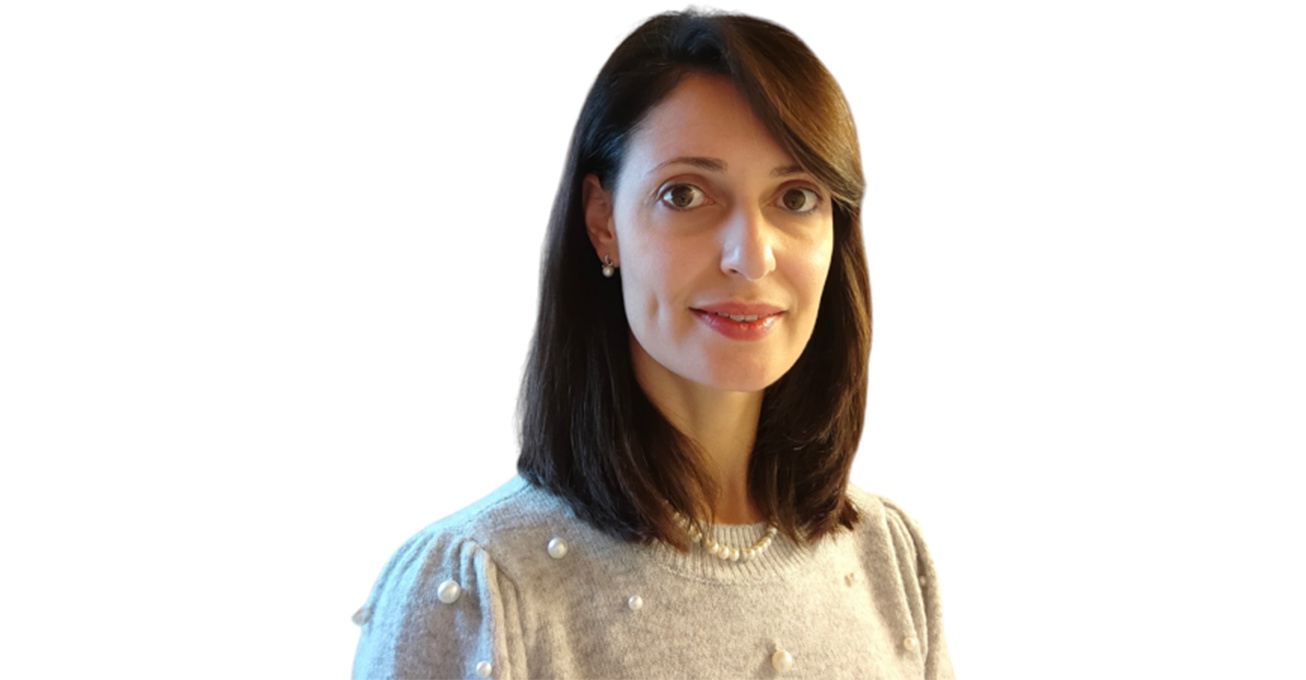

- Influencer reveals how late medical intervention led to removal of 16 Fibroids.
- Latest technique wiill reduce chances of further complications.
- Women at peri-menopausal stage are largest sufferers of Fibroids.
- July marks Fibroid Awareness Month.
During a Breaking the Silence Panel Discussion, Consultant Gynaecologist of New Victoria Hospital, Miss Silvia Carta alongside award winning Fibroids advocate Dawn Heels, (@dawn_heels), delved into some of the biggest myths about the condition, the challenges that many face in receiving an accurate and timely diagnosis and the latest treatments available to women.
Fibroids are non-cancerous growths that develop in or around the womb (uterus) and are made up of muscle and fibrous tissue. They vary in size and whilst many women are unaware they have Fibroids due to not experiencing symptoms. Around 1 in 3 patients will experience symptoms which can range from heavy periods, abdominal pain, frequent need to urinate, an enlarged or bloated stomach and pain or discomfort during sex. At least 2 in 3 women will develop Fibroids in their lifetime around the ages of 30 – 50 years and they are thought to develop more frequently in African-Caribbean women.
Since 2022, Fibroid specialist, Miss Silvia Carta has seen an increase of at least 15% in her practice of self-pay patients accessing diagnosis and treatment for Fibroids. The upsurge coincides with restricted NHS services and extended waiting lists leading many women to seek medical support at earlier stages through independent care.
As July marks Fibroid Awareness Month here are some of the key insights from the Panel Discussion:
Largest number of Fibroid Sufferers is at the Perimenopausal Stage
Gynaecologist, Silvia Carta of New Victoria highlighted that “There is a misconception and belief that Fibroids will resolve with the onset of menopause. Although bleeding related symptoms might resolve once in menopause, pressure symptoms are likely to persist. Moreover, the age range where the largest percentage of women (30 % to 60%) experience symptomatic Uterine Fibroids, the most common gynaecological tumour, is during the perimenopausal phase, predominantly women over 40years old and these women tend to suffer with the most severe symptoms. Additionally, for peri-menopausal women (around 45-50 years old) that figure increases to 75%”.
Women Can Still Suffer From Fibroids after the Menopause
Influencer, Dawn Heels who once had 16 Fibroids removed through surgery, highlighted how many of her online followers frequently question why they have been diagnosed with Fibroids at post-menopausal stage. She confirms, “Most women are confused about Fibroids after the age of 50 years old and don’t understand that they either still have them at this age? It contradicts what so many GPs have told them that they either degenerate during menopause or just don’t grow at all. It is very interesting to hear that as I receive questions from so many of my followers who say that they do suffer with Fibroids after Menopause”.
Hysterectomy Is not the only Treatment Option
Whilst there are a number of options to manage the condition, Dawn, who went onto have a healthy pregnancy after her myomectomy surgery, reveals that one of the biggest myths that women are frequently being told is that a full hysterectomy is the only way to deal with Fibroids and their symptoms. She says, “This is why I am campaigning about this issue as most of the women who come to me for education, realise that a hysterectomy is not the only option contrary to what they have been told in primary care. There are several other options out there that are less invasive, more conservative and provide you with an option to go on to have children which I eventually did after my own Fibroid removal”
Small Fibroids Can Also Be Problematic
Whilst the location of the Fibroids in the Uterus can be one of the most important factors of how they can negatively impact the sufferer, the size of the tumour also generally pose a risk with the larger the Fibroid the more likely it is to impact other organs including the the bladder and the bowel.
Silvia says, “A smaller Fibroid may not seem like a threat, its location may be a problem, particularly for fertility in those still wanting to complete their family. Similarly, it is often the case that an already medium size fibroid is likely to grow larger and cause worsening of pressure symptoms.
Early Intervention Is Available
Many of Dawn Heel’s followers had been advised to leave small Fibroids and to simply monitor them before they grow in size and become ‘problematic’. She said, “I often see ladies who say, I have these small Fibroids but they are causing so much pain but my Doctor or Gynaecologist told me that Fibroids can’t be the cause of the pain.”
[1]Clinical studies suggest that many women experience further growth of small Fibroids. The study directly measure age-specific fibroid incidence with a standardized ultrasound protocol and found that the average fibroid growth was 89% per 18 months.
In contrast the very small Fibroids, less than 1mm, had an average growth rate of nearly 200%.
In the discussion, Silvia highlighted that New Victoria Hospital has introduced a new technique called Tissue Retrieval System, an advancement of the classic hysteroscopy that can effectively remove small Fibroids (up to 2cm) protruding from the lining of the womb, and thereby improve chances of fertility or conception and prevent them from becoming even more problematic.
The Breaking the Panel Discussions hosted by New Victoria Hospital is a series of talks to highlight women’s health, looking at some of the underdiagnosed symptoms that women typically experience and the barriers they face from diagnosis to treatment.
To see the full discussion of the panel discussion, please click here.