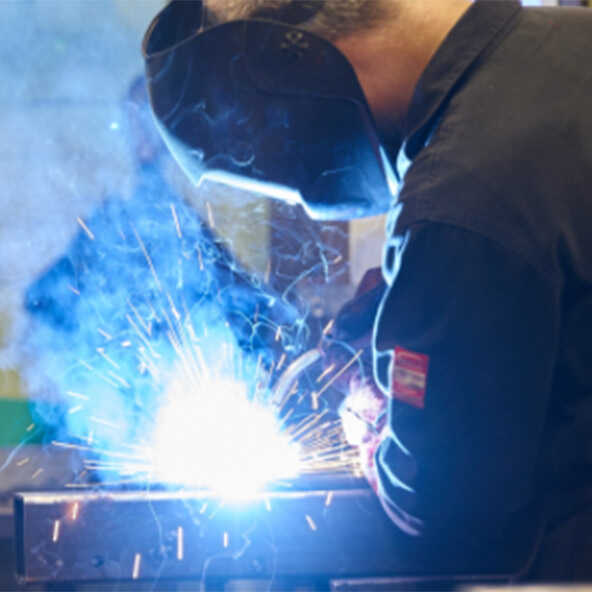
 The metal works sector is an essential part of the UK’s economy and supports the supply chains of various industrial sectors, from aerospace and automotive to construction and energy. Of late, technology has advanced tremendously and most people would be surprised to know about the variety of jobs that the metalworking industry has to offer.
If you are a technology enthusiast and want to build things you can be truly proud of, you should consider a career in metal fabrication. In this article, we share everything you would like to know about pursuing a career in metal fabrication, including the industry outlook and the variety of job roles available. But first, let’s understand what metal fabrication is and why the demand for metal fabricators in London and other large commercial areas in the UK is increasing.
What is metal fabrication?
Metal fabrication is the manufacturing process of building metal structures and machines by bending, cutting, assembling, and conjoining them from raw metal materials. The fabrication process typically starts with creating a working design for a metal product using computer-aided design and manufacturing programs, and ends with a finished functional product.
Which industries hire metal workers?
The metalworking sector supports most economic activities by providing machinery and other significant inputs to manufacturing, mining, construction, agriculture, and automotive, among many other industries. Over the past few decades, the alternative energy sector has also employed metal workers in large numbers to build equipment on a large scale and support the growing demand for clean energy.
What’s fuelling the high demand for metal fabrication experts?
The main reason behind the increasing demand for metal fabricators is the lack of enough newcomers who can replace the ageing workforce. Given the growing population and a growing economy, the work has increased, but there are fewer people who can do it. This is why industry experts have warned of a major skills shortage in the metalworking industry.
Plus, the investments in the infrastructure sector have continued to increase, thereby creating a higher demand for metal fabricators. The push for producing green energy also requires a significant number of metal fabricators to provide machining for applications such as solar-generating systems, wind turbines, and nuclear power plants. No wonder why metal fabricators are in high demand!
Why consider a career in metal fabrication?
Metal fabrication can offer you the satisfaction of building things that make a lasting impact on people’s lives. Not only that, but it can also provide you with the opportunity to work on advanced technologies such as robotics and 3D printing, for example. Most importantly, it’s a field where you can feel free to unleash your creativity, make the best use of your problem-solving skills and collaborate with like-minded people on exciting projects that you can be proud of. In addition to this, there is a growing demand for skilled workers in the sector and new avenues are opening up for anyone who is up for a challenge and willing to make a name for themselves.
What Types of Jobs Are Available in Metal Fabrication?
To build a career in metal fabrication and find a job that suits you, it’s important to know about the varied types of jobs available. Some such common jobs are listed below:
- Metal Fabricator – reads engineering drawings, visualises objects in 3D, and cuts, bends or forms the metal to create the required shapes.
- Machinist – reads engineering drawings and operates a metal cutting machine.
- Press Operator – operates a punch press or press brake.
- CNC Machine Operator – programmes and operates machines like plasma cutters, lasers, and water jets.
- Welder – prepares and sets up metal pieces in the fixture, makes the fixture, and uses welding to join pieces, as per the requirement.
- Robot Programmer – usually an engineering role which requires an understanding of robotics and using programming software.
- CNC Machine Programmer – usually an engineering role which requires the programming of CNC machines.
- CAD Engineer or Designer – converts initial sketches and concepts into usable drawings.
- Estimator – determines how much resources will be required to finish a job or project, based on prior fabrication experience.
Not sure which role will suit you the best? Consider these points, depending on your interests and prior knowledge:
- If you are a creative type personality, you may enjoy working as a fabricator.
- If you are interested in technology, find training and opportunities in CAD (Computer-Aided Design).
- If you are good at problem-solving, engineering roles may be more suitable for you.
- If putting pieces together to build something makes you feel good, consider jobs in welding.
- If you like working with your hands more, a machinist role may be for you.
- If you are a perfectionist, consider working in quality control.
Given such a variety of job roles on offer and the increasing demand for skilled labour in the UK, choosing a career in metal fabrication can be highly rewarding.