
With the rise in vehicle thefts and unauthorised use, installing a GPS tracking system has become an effective solution.
These systems offer real-time location updates, making it easier to monitor and protect your fleet vehicles. GPS tracking is not just beneficial for personal use but is also invaluable for businesses managing fleets. GPS tracking systems can significantly reduce costs and improve business productivity by providing insights into vehicle usage, driver behaviour, and operational efficiency.
What is a GPS Tracker and How Does It Work?
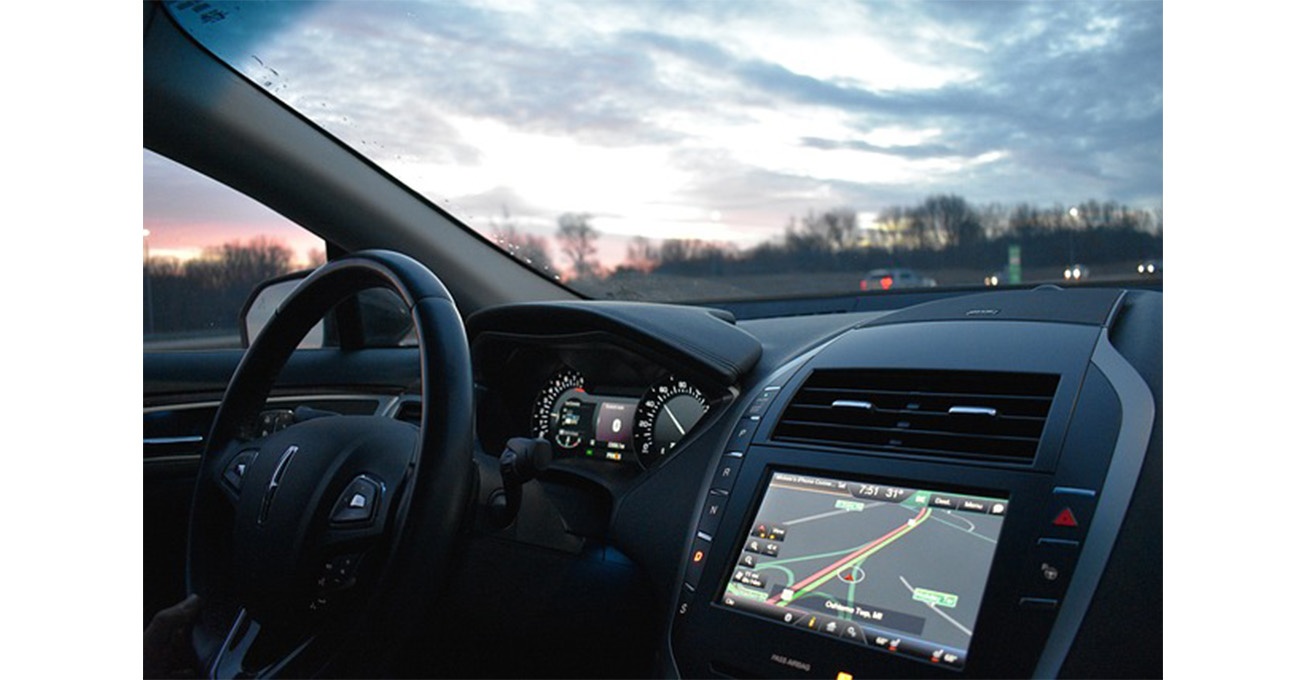
A GPS tracker is a device that uses the Global Positioning System to determine and track the precise location of a vehicle in real-time. These devices receive signals from satellites and calculate the vehicle’s exact position based on the time it takes for the signals to travel from the satellites to the receiver. The location data is then transmitted to a central server, allowing users to access real-time information via a smartphone app or web interface.
Installing a GPS Tracker can provide numerous benefits beyond just location tracking. For instance, many systems offer features like geofencing, which alerts you if your vehicle leaves a predefined area, and route history, which lets you review past journeys. This technology is invaluable for personal vehicle security and fleet management, helping to prevent theft and misuse while optimising operational efficiency.
Top Reasons to Install a GPS Tracking System in Your Vehicle
Installing a GPS tracking system in your vehicle offers several compelling advantages. Firstly, it significantly enhances your vehicle’s security. Real-time tracking allows you to monitor your vehicle’s location at any moment, providing peace of mind and a swift response in case of theft. Many GPS trackers also come with tamper alerts, notifying you immediately if someone attempts to interfere with the device.
For businesses, GPS tracking systems are essential tools for fleet management. They provide detailed reports on vehicle usage, helping to identify inefficiencies and reduce fuel costs. Fleet managers can monitor driver behaviour, ensuring compliance with company policies and improving safety standards. These systems can assist in planning optimal routes, reducing travel time and increasing productivity, ultimately leading to substantial cost savings.
The Role of GPS Tracking Systems in Fleet Management
GPS tracking systems play a crucial role in modern fleet management by providing real-time visibility and control over all vehicles in the fleet. Managers can track the location, speed, and route of each vehicle, ensuring they are being used efficiently and according to company policies. This oversight helps in identifying unauthorised usage and preventing misuse, which can lead to reduced operational costs and enhanced productivity.
GPS tracking systems are vital for monitoring driver behaviour. They can provide insights into driving patterns, such as excessive speeding or harsh braking, allowing for corrective actions to be taken. This not only improves safety but also helps in maintaining the vehicles in better condition, thereby extending their lifespan. By implementing GPS tracking systems, businesses can streamline their operations, improve service delivery, and ultimately achieve better financial performance.
GPS tracking systems offer a robust solution by providing real-time location updates, monitoring driver behaviour, and ensuring efficient vehicle usage. These systems help prevent theft, optimise routes, and reduce operational costs, making them indispensable tools for modern vehicle management.
By integrating GPS tracking technology, you can achieve greater control over your vehicles, enhance safety, and improve overall operational efficiency. Investing in a reliable GPS tracking system is a practical step towards safeguarding your assets and streamlining your operations.