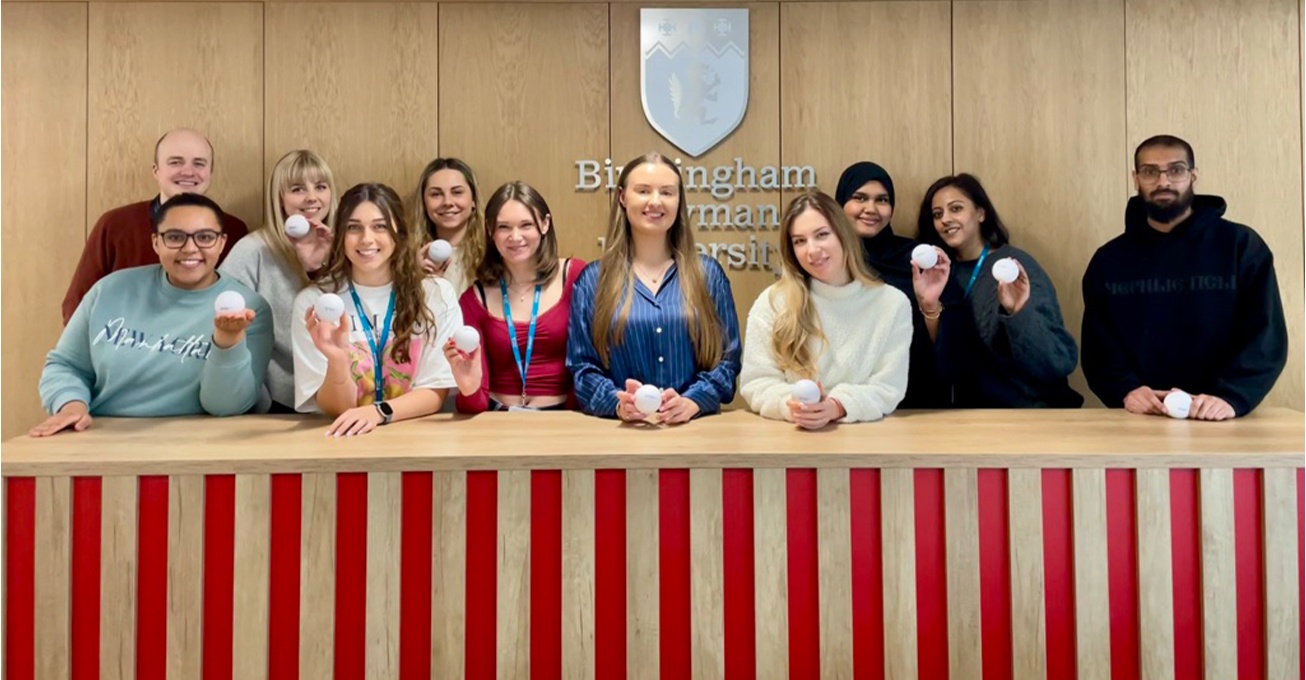
 National Neurodiversity Training partnered with Newman University to deliver specialised training on understanding and supporting autistic individuals in psychological practice.
This initiative aimed to equip psychological and wellbeing practitioners with the necessary tools to create inclusive, accessible, and effective therapeutic environments for neurodivergent clients.
The Challenge
Many autistic individuals experience significant barriers when accessing mental health support. Traditional therapeutic models often fail to accommodate the unique cognitive, sensory, and communication differences of neurodivergent clients, leading to misdiagnosis, ineffective treatment, and increased distress. In the long-run, this also impacts the NHS, adding to further strain on staff and long waiting times for patients.
Key challenges included:
- Diagnostic Biases: Gender and racial disparities in autism diagnosis result in misdiagnosis or late diagnosis, impacting treatment outcomes.
- Communication Barriers: Many therapists lack training in adapting their communication styles to meet the needs of autistic clients.
- Traditional Therapy Limitations: Standard approaches such as Cognitive Behavioral Therapy (CBT) may not align with autistic thinking patterns, leading to disengagement and ineffective support.
- Environmental Sensory Challenges: Many therapy spaces are not designed with sensory sensitivities in mind, creating discomfort and stress for autistic clients.
Recognising the importance of intersectionality when diagnosing and supporting autistic patients, and a need for a more tailored approach, Newman University partnered with National Neurodiversity Training to deliver training to trainee NHS practitioners.
The Solution
The training program was designed to combine expert knowledge with lived experience, ensuring NHS learners gained both theoretical and practical insights into neurodiversity-inclusive psychological practices. This included modules such as:
- Defining autism beyond stereotypes and misconceptions.
- Exploring autism and its intersection with gender, race, and co-occurring conditions.
- Examining biases in diagnostic criteria.
- Exploring alternative approaches to traditional therapy methods.
The training was delivered in person to ensure maximum engagement and effectiveness, especially given the sensitive nature. To make the programme as impactful as possible, Iveta Pudilova, our CEO and training facilitator, shared her experiences of being misdiagnosed due to gender and cultural biases.
The Results
The impact of the training was measurable and significant. Post-training assessments showed a clear increase in students’ confidence and understanding of neurodivergent-inclusive practices:
- 70% increase in ability to create sensory-friendly therapy environment.
- 52% increase in adapting treatment for autistic clients.
- 40% increase in understanding diagnostic bias.
- 24% increase in distinguishing between autism and other conditions (such as PTSD and anxiety disorders) in a clinical setting.
Learner feedback emphasised the effectiveness of the training’s practical applications. One learner shared, “This training changed the way I view therapy. I now understand that small adjustments, like offering alternatives to eye contact and using visual aids, can make a huge difference for autistic clients.”
Key Takeaways for Other Clinical Professionals
- Tailored training ensures lasting impact. Generic diversity training is not enough; specialised neurodiversity training provides deeper insights and practical applications.
- Lived experience enhances learning. Incorporating voices of autistic individuals brings authenticity and relatability to the training.
Through this training, the NHS and Newman University, are directly addressing the mis- and underdiagnosis of marginalised groups. This programme
By embedding neuro-inclusive training into their curriculum, they are creating a new generation of mental health professionals who prioritise accessibility, inclusivity, and effectiveness in psychological practice.
For more info visit: www.nationalneurodiversitytraining.com or email: info@nationalneurodiversitytraining.com.