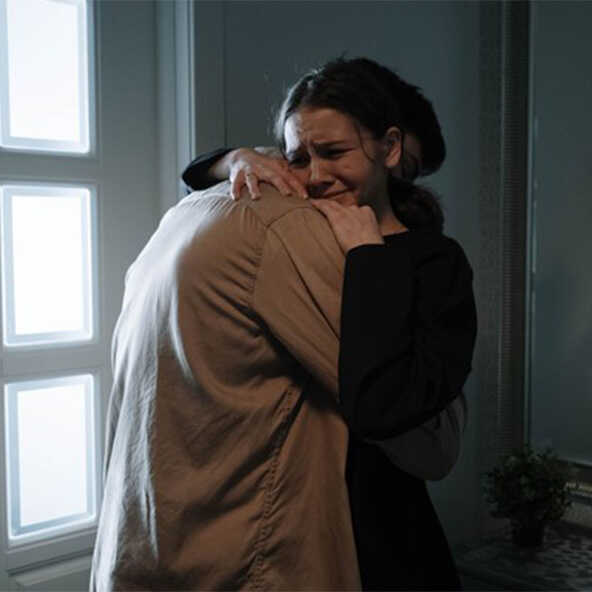
Losing a loved one is never an easy time. Whether you were prepared for their death or it was completely unexpected, dealing with the aftermath of the death of someone close to you can be an overwhelming experience at what is undoubtedly one of the worst times of your life.

Losing a Loved One in A Hospital or Care Setting
All hospitals will have a bereavement unit, and care homes and hospitals will advise on the next steps once death has been confirmed. If the death were expected, the staff would start paperwork, including contacting a GP (or coroner if required – this usually delays the process) and getting a medical certificate.
From here, they can advise you on what to do next, and this usually includes registering a death, contacting a funeral director and point you in the direction of support services, including a wrongful death lawyer if appropriate.
Here you will be able to view the body if you so wish, and they will be moved to the mortuary until arrangements have been made with a funeral director. If the death occurred at a care home, you would need to arrange with a funeral director to collect the body.
Losing a Loved One At Home
If the death has occurred due to an ongoing illness or condition, you will need to immediately inform your GP so the on-call doctor can issue a medical certificate. The doctor will need to visit the body, and after this has taken place, you can arrange for them to be collected by a funeral director.
If you are unaware of who the GP is, you need to call for an ambulance to come and collect them, and they will assist you in starting the next stage of the process.
If the death was unexpected, then you must call 999. The emergency services will then talk you through what you need to do, and depending on the circumstances, they will send an ambulance and possibly the police if required.
If the police are in attendance, it is important not to touch or move anything to assess the scene and collect any evidence they may need.
What Else Do You Need to Do?
Once a person has died, the following steps can help you prepare for what comes next.
- Get a medical certificate.
- Write down any important details from the hospital/care home/ambulance service or the police.
- Inform next of kin if it is not you
- Tell other family members and friends..
- Contact others such as landlords, employers etc.
- Make arrangements for anyone left at home who needs care, such as children and pets and lock up the home if required.
- Once you have a medical certificate, you can register for the death. It is suggested to make extra copies of the death certificate around 5 or so.
- Choose a funeral director.
- Make the funeral arrangements.
- Locate a will if there is one.
- Start calling suppliers to cancel things such as rental agreements, subscription payments, inform credit card companies, mortgage providers and so on.
- Make probate enquiries. Probate is the official process of dealing with someone’s finances, property and assets after their death.