
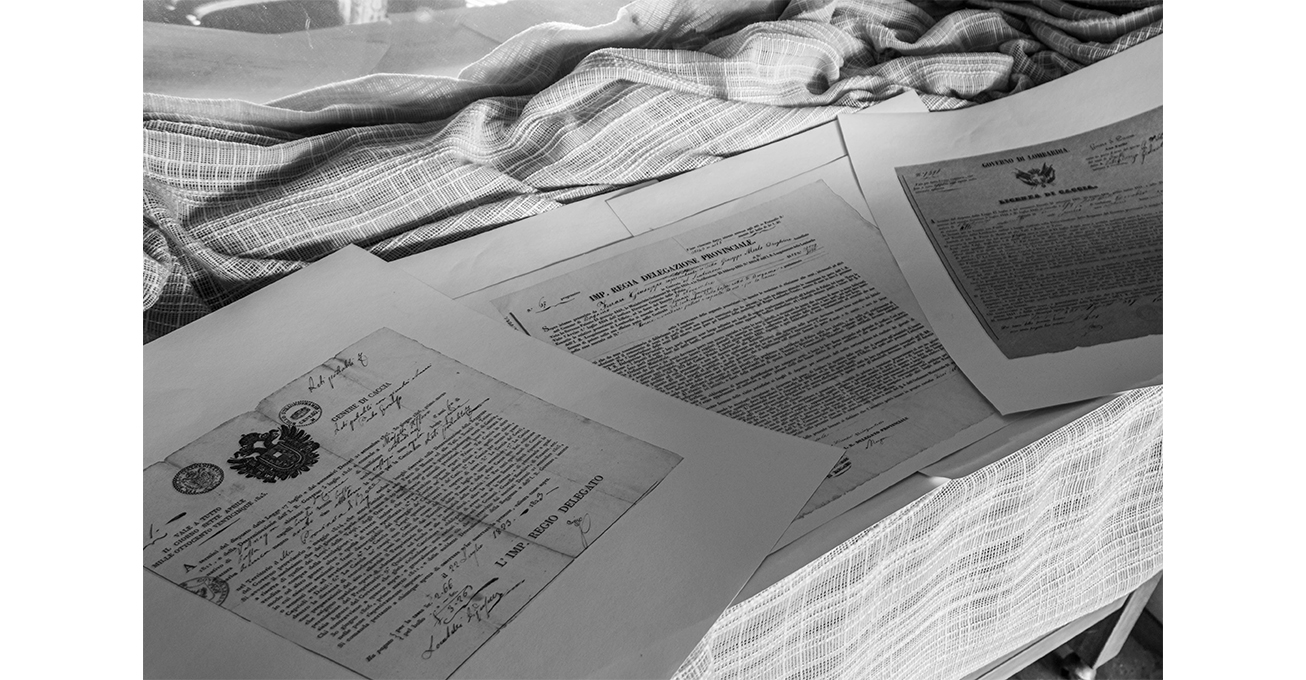
Getting a quote for document translation can feel like opening a mystery box. One provider charges a flat fee, another bills by the word, and a third sends back a number that seems pulled from thin air. I’ve spoken with enough translators and agencies over the years to understand why this happens, and once you know what’s actually driving the price, the numbers start making far more sense.
The truth is that translation pricing isn’t arbitrary. Several concrete factors shape every quote you receive, and understanding them helps you budget accurately, avoid paying for things you don’t need, and – perhaps more importantly – avoid cutting corners that end up costing you more down the line.
Word Count Is Just the Starting Point
The majority of professional translators and translation companies charge for their services on a per-word basis. Rates for typical language pairs (such as English to French or English to Spanish) are generally between 0.10 and 0.18 words per sentence in 2026, for non-specialized material. It’s not just a guess; it’s a benchmark that is recognized by organizations like the American Translators Association.
But here’s where things often get misunderstood: word count is only the baseline. It tells you the volume of work, not the nature of it. A 1,000-word marketing brochure and a 1,000-word pharmaceutical trial summary are not the same job, and any honest provider will tell you exactly that. When I look at how services like Rapid Translate pricing structure their services, it becomes clear that transparent providers break down costs by both volume and document type, which is precisely what you should expect from any agency quoting your project.
Language Pair: The Factor Most People Underestimate
If you’ve ever been caught off guard by the fact that translating into Japanese costs significantly more than translating into Portuguese, you’re not alone. The language pair is one of the most decisive cost drivers in this industry, and it has nothing to do with the languages being “harder” in any abstract sense.
It’s all about supply and demand. The Spanish to English conversion is one of the most common language pair conversions in the world. It has tens of thousands of qualified professionals, so rates are competitive. Compare this with English to Mongolian or Catalan to Japanese – you’ll find there are far fewer certified translators and that of course, drives the cost up.
In addition to availability, some languages have structural issues that require real time to work with. Languages that have complex honorific systems, script-based writing or are not compatible with TM software take more time per word to be translated meaningfully.
Subject Matter: Why Expertise Commands a Higher Rate
General content – everyday correspondence, website copy, personal letters – sits at the lower end of the pricing range. Legal, medical, technical, and financial documents occupy a different tier entirely, and for defensible reasons.
Translating a contract isn’t simply a matter of converting words from one language to another. It involves knowing the laws of both jurisdictions, the meaning of terms that have special enforceability implications and when a literal translation would misrepresent the original intent. A translator who is qualified to do that type of work has usually worked for years in acquiring the knowledge. You’re not only paying for language skills, but you’re also paying for domain expertise that will prevent you from making consequential mistakes.
The same logic applies to medical documentation. A translated patient record or clinical study needs to be accurate at a level where mistakes carry genuine consequences, not just professional embarrassment, but potential harm. Agencies operating in this space employ translators who often hold academic or professional backgrounds in the relevant field. That specialization is typically reflected in rates 20% to 40% above standard content pricing, depending on complexity.
Turnaround Time and Its Real Impact on Cost
Deadlines are expensive. It’s not against the industry. It’s straightforward economics. If you must have a 5,000-word document translated within 24 hours, then you’re asking a professional to rearrange his existing workload, work through the night and put your work above and beyond that of other work he may have committed to. It is a premium service, typically ranging from 25% to 50% higher than the standard rate.
In the industry, the amount of words delivered per day is around 2,000 to 2,500 words per day by one translator, for non-specialized work. If it is too much for one person to do within your window, agencies may choose to have it split into several parts, which are then worked on by different translators, and then spend extra time on consistency checks to make the final document a cohesive, unified whole instead of a patchwork. There’s a cost to that coordination effort.
The lesson learned: if you can flex your time, say it right away when you ask for a quote. One of the easiest ways to save money without sacrificing product quality.
Certification: When Accuracy Alone Isn’t Sufficient
Certain documents: immigration filings, academic transcripts, court records, affidavits, require certified or notarized translations. This is a distinct service from standard translation and carries additional fees that reflect real additional responsibilities.
A certified translation includes a signed statement from the translator or agency attesting to its completeness and accuracy. Depending on the receiving institution and country, you may also need a notary to authenticate that certification, sometimes with physical document handling involved. These aren’t bureaucratic formalities – most immigration authorities and courts simply won’t accept translations without them, and submitting a non-certified version wastes both time and money.
Pricing for certified work varies, but you’ll generally encounter either a per-page fee layered on top of per-word charges, or a flat document rate that bundles both components. Always confirm the exact format the receiving authority requires before commissioning anything.
Conclusion
A professional translation quote should be itemized clearly enough that you can see exactly what you’re paying for. Volume, language pair, subject matter category, turnaround tier and any certification requirements should be accounted for separately, not lumped in with a lump sum with no explanation.
If you get a quote that doesn’t break anything down and doesn’t ask you what your document is or why it exists, treat that as a serious warning sign. This is why reputable providers ask what your material is about before they price it, because the same 500 words can be vastly different amounts of work depending on what those words actually say. Guess without context and you’re just guessing. Guessing rarely works in your favor.
Photo Credit: Unsplash.