
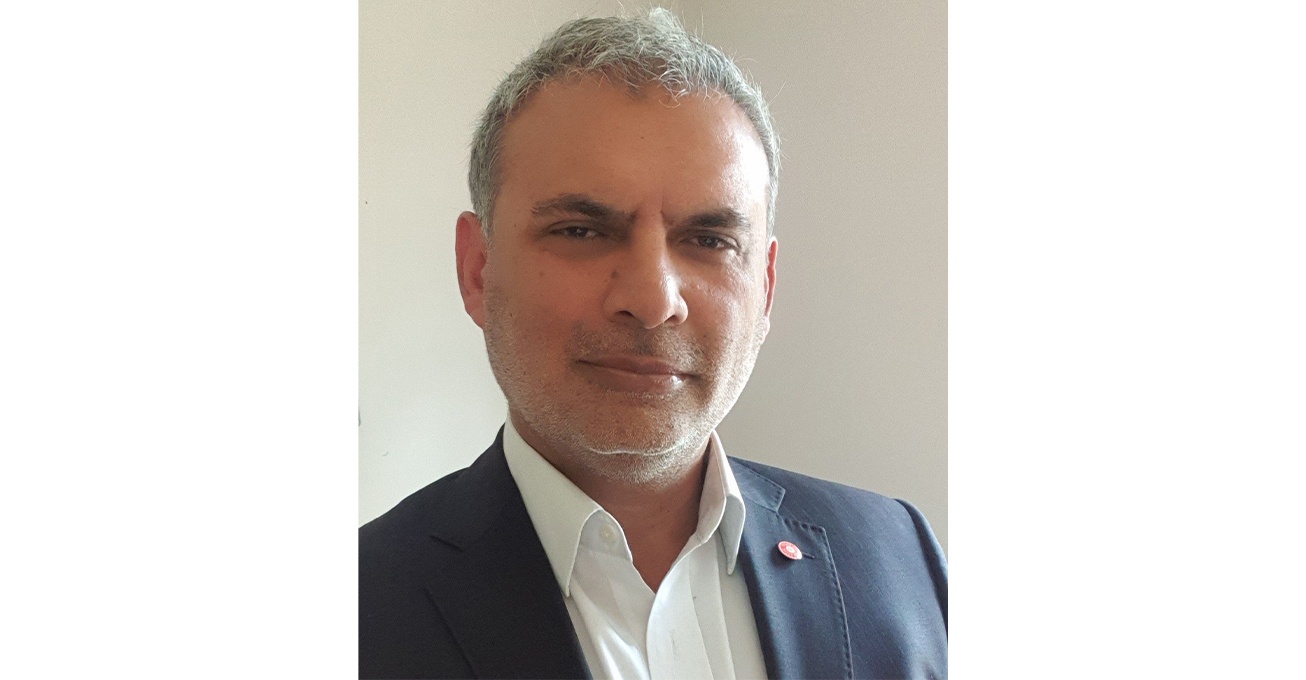

Mohsin Ravjani is the Co-Founder and CEO of Change Ahead, a tech-led UK charity providing housing, education, and employment solutions for vulnerable communities.
Drawing on both personal experience and professional expertise, Mohsin drives forward impactful, innovative projects that empower individuals and deliver sustainable, long-term change.
1.Tell us a little bit about your charity and the work you do…
Change Ahead is a UK-based non-profit supporting vulnerable communities – including people experiencing homelessness, ex-offenders, refugees, and those with learning disabilities – through innovative, community-led projects.
We run urban farming workshops with the BUPA Foundation to address food insecurity, deliver financial literacy programmes with Peabody Housing Association, distribute food vouchers in Birmingham with Too Good To Go, and work with Vodafone and Google to enhance digital inclusion.
Our work is shaped by lived experience and powered by technology, creating sustainable pathways into housing, education, and employment.
2. What inspired you to get involved in the charity sector?
My own experience of homelessness was the spark. I saw how fragmented the system was and wanted to create something that offered not just hope, but real, practical solutions. Change Ahead is a product of both my journey and my professional background in finance, healthcare, and property.
3. What are the biggest opportunities and challenges currently facing your charity and the wider sector?
One of the biggest challenges is the UK’s high reoffending rate. Around 26.5% of offenders reoffend within a year – a figure that rises to over 50% for those serving short sentences. This cycle costs society £18 billion annually across policing, courts, prisons, probation, and healthcare.
The NHS bears a significant share of that burden. Poor mental health, addiction, and social isolation contribute to rising A&E visits, GP appointments, and long-term care. Loneliness alone is estimated to cost the UK economy £2.5 billion a year.
At Change Ahead, we see this as an opportunity for preventative intervention. Our urban farming initiatives offer a nature-based wellbeing solution – often described as ‘green social prescribing’. These hands-on projects build confidence, reduce isolation, and improve mental health. People reconnect with each other, gain purpose, and ultimately reduce their dependence on overstretched NHS services.
By investing in preventative, community-driven solutions like stable housing, meaningful employment, and social connection, we can break the cycle of reoffending, relieve pressure on public services, and build safer, healthier communities across the UK.
4. How would you describe your approach to leadership?
Empathetic, collaborative, and hands-on. I believe in leading by example, especially when working with volunteers and vulnerable groups. Whether it’s running open clinics or mentoring in prisons, staying close to the grassroots keeps our mission real and grounded.
5. How do you inspire and support your team and volunteers to achieve their best?
By giving them a strong sense of purpose, regular feedback, and the space to grow. Many of our volunteers say they’ve learned as much from the communities they support as they’ve given. We invest in people, and that human connection drives our collective impact.
6. What are the key elements that help your charity operate effectively and make a lasting impact?
Three core pillars underpin our work: innovation, collaboration, and lived experience.
We use technology – from AI tools to data-driven programme design – to offer smarter, faster, and more tailored support. Our partnerships with universities, tech firms, housing associations, and grassroots organisations help us scale without losing sight of what matters: being community-led and people-focused.
We’re especially focused on reimagining education and skills training for people disengaged from traditional learning routes. Through collaborations with the Department for Work and Pensions and Job Centres, we’re co-creating accessible, tech-focused learning opportunities in areas like data analysis and AI literacy – skills that are essential in today’s digital economy.
By focusing on rehabilitation, reintegration, and readiness for the future, we reduce reoffending, create fewer victims of crime, and ease the strain on public services like the NHS, police, and probation. Most importantly, we help people live with dignity, purpose, and digital confidence.
7. How have the past 12 months been for you?
Transformative. We supported nearly 1,000 people with housing and employment, launched urban farming programmes to tackle food insecurity, and partnered with corporates to deliver financial literacy and wellbeing workshops. We also halved the average length of stay in temporary accommodation – from six months to three.
8. What will the next 12 months look like for your charity?
We’re expanding our tech-driven approach to help more individuals into safe housing and meaningful employment, with a target of training over 400 people in digital and AI readiness.
Our wellness programmes are scaling across schools, prisons, and workplaces, with a focus on mental health, self-defence, and financial empowerment – equipping people to thrive, not just survive.
Together with the BUPA Foundation, we’re expanding our urban farming initiatives to further tackle food insecurity and promote wellbeing. Meanwhile, our partnership with Peabody Housing Association will deliver financial literacy training to over 200 residents, helping to build economic resilience.
These aren’t just programmes – they’re prevention strategies, reducing reoffending, strengthening communities, and delivering significant public savings across justice, housing, and healthcare systems.
We’re also focused on forging new ESG-aligned partnerships with corporates ready to co-create meaningful, measurable impact across the UK.
9. What have been some of the standout moments or proudest achievements in your journey so far?
Our Support Finder tool was recognised as a runner-up at the BITA Awards 2022 – a proud moment that showcased how tech can connect people to life-changing resources. But for me, the true highlight is always the same: seeing someone move from crisis to stability because of our work. That’s the real reward.
10. What’s the biggest business mistake you’ve learnt from?
Trying to do too much, too quickly. In the early days, I underestimated just how complex – and emotionally demanding – this work is. I’ve since learned the value of building solid foundations before scaling.
11. What’s the best piece of business advice you’ve been given?
“Build for impact, work with purpose.”
It’s a simple reminder to stay focused on what matters: empowering people to lead independent lives. The success of any initiative depends on the passion, strength, and wellbeing of the team behind it.