By Ian Strachan.
Hyundai is one of the leading Asian brands selling in Europe. And if the latest hybrid version of the medium SUV, the Kona, is anything to go by, that trend is set to continue.
The Kona was first launched in Europe in 2017 and quickly set standards in safety and environmental performance. Now that’s even better with hybrid and electric technology, some smart design features and improved performance.
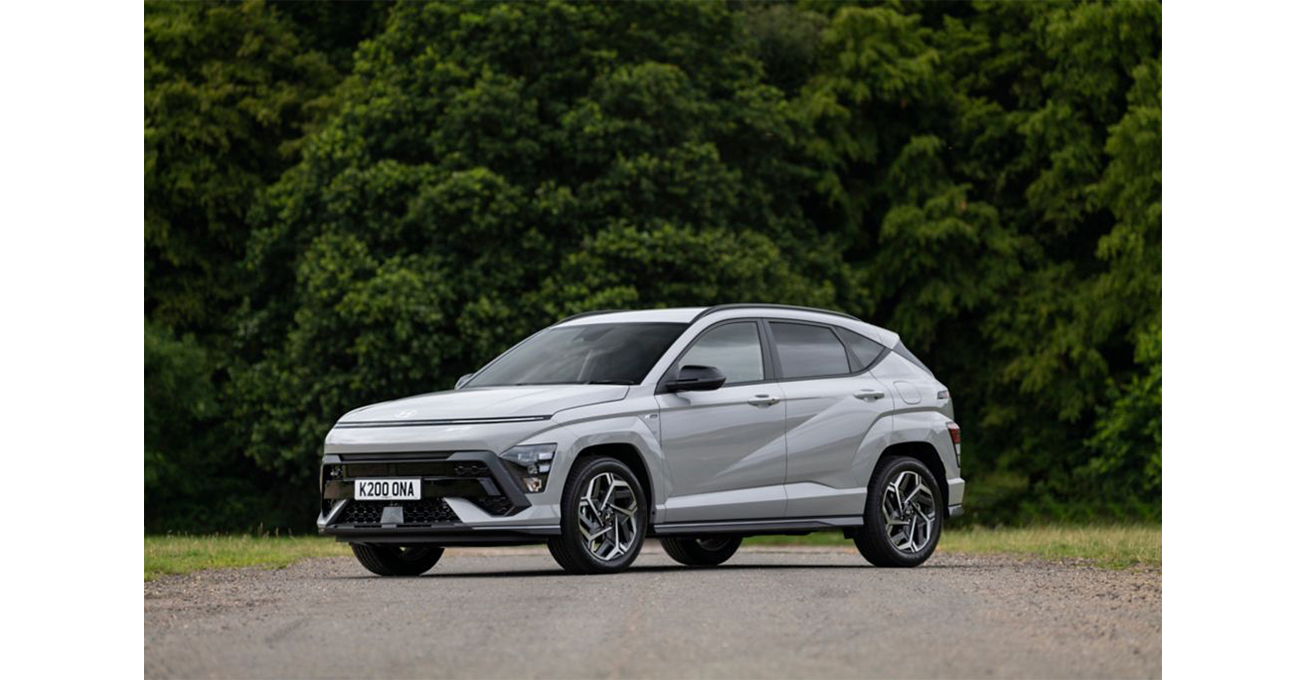
I tested the Kona Hybrid N Line S, powered by a 1.6 four-cylinder 138 bhp petrol engine, with an electric motor for short range driving and to improve economy.
This latest Kona is an attractive and capable alternative in the SUV B-segment, with sleek, eye-catching design, a comfortable interior and more than adequate performance. It is both pleasant to drive and frugal. The front end design looks, at first glance, like an all-electric vehicle with front full-width horizon daytime running lights and a low-slung black grille.
The exterior design is further aided by smart 18-inch alloy wheel, body-coloured bumpers and door handles, silver side sills, roof rails and rear spoiler with integrated LED brake light.
The host of safety features on the Kona includes blind spot monitoring with cameras, forward collision avoidance assist, intelligent speed limit warnings, parking and reverse parking collision warnings, surround view monitor, rear cross traffic alerts and lane keep assist. In fact my only criticism of this excellent SUV is the cacophony of warning beeps and alerts which accompany your journey. Hyundai is certainly not alone in this as manufacturers compete to comply with European legislation. I used to turn the beeps and blips off every journey, but now I tend to zone them out.
Fuel economy on the electrically assisted Kona Hybrid is impressive. Published economy figures are 60.1 miles to the gallon in mixed driving, but I think I was getting a bit more than this. The top speed of the Kona, where allowed, is 103 mph, with a 0-60 time just below 11 seconds.
The interior of the Kona is light, pleasant and spacious. Load carrying capacity is good at 466 litres, and can be improved still further by dropping down the 60/40 split rear seats, which gives you a flat loading floor.
Equipment levels are very good on the N Line, with remote central locking, dual-zone climate control, smart cruise control, powered tailgate, all-round electric windows, electrically adjustable, heated and ventilated front seats with power adjustment, heated rear seats and steering wheel, leather seat facings, rain sensing wipers, automatic headlights, interior ambient lighting, front and rear parking sensors with rear camera and surround view monitor, BOSE premium seven-speaker sound system Bluetooth and voice recognition and DAB radio, wireless phone charger and navigation system via a 12.3 inch touchscreen.
This being a Hyundai, it comes with their five year unlimited mileage warranty. This is a great peace-of-mind package which, sooner or later, all manufacturers are going to have to match or exceed.
The Kona Hybrid N Line S costs a competitive £35,640 on the road. My test car came in metallic Cyber Grey at an extra £650.
I enjoyed this hybrid Kona, which moves this ambitious Korean brand further up the SUV choice lists.