Hot summer weather can make a home uncomfortable long after the sun goes down. As we experience more periods of intense heat, homeowners increasingly need to think about how their properties cope when temperatures climb.
Tradespeople can help you identify these weak points before the next heatwave arrives. With careful improvements, you can keep indoor temperatures more manageable while protecting the building and avoiding unnecessary energy use.
The changing climate and its impact on properties
Hotter summers place different demands on British homes. Many properties rely on insulation and construction methods that retain warmth, which helps during winter but can contribute to overheating when hot weather lasts for several days.
A skilled tradesperson can assess how heat enters and moves through your home. For example, strong afternoon sunlight may raise temperatures substantially in west-facing rooms, while inadequate loft ventilation can allow heat to build beneath the roof. Poor airflow may also leave upstairs bedrooms uncomfortable overnight.
Ask a suitable professional to inspect the rooms that become hottest and identify where sunlight, limited ventilation or building materials contribute most to the problem. This targeted approach helps you spend money where changes will make a meaningful difference.
Practical upgrades for heat resilience
You do not always need major building work to improve summer comfort. A joiner or window specialist can install external shutters or suitable blinds to reduce solar gain before heat spreads through a room. Where appropriate, a roofer can improve loft ventilation so trapped hot air escapes more effectively.
Correctly installed loft insulation slows heat transfer through the roof as well as reducing winter heat loss, although installers need to preserve ventilation routes to prevent moisture problems.
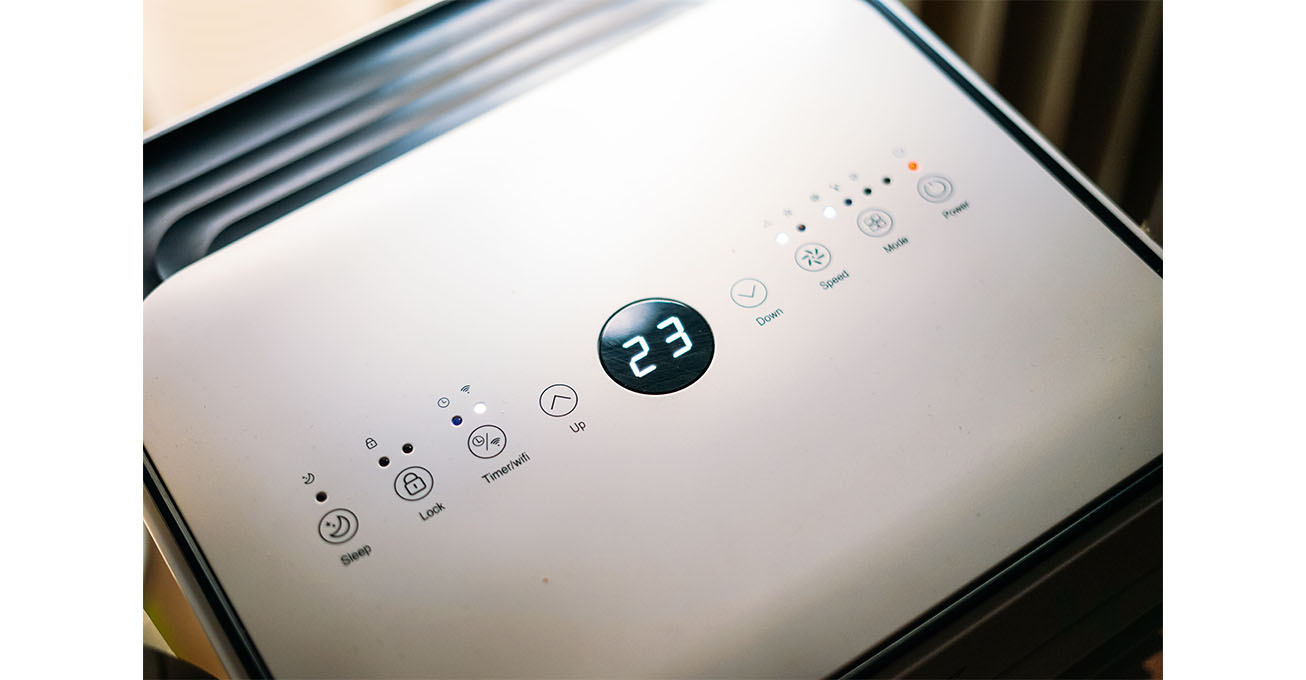
For homes that regularly overheat, air conditioning units can provide reliable cooling. A qualified installer can calculate the cooling requirement for each space rather than fitting an oversized unit, which can waste electricity and increase running costs.
Innovative solutions and expert advice
Modern technology gives homeowners more control over indoor temperatures. Smart thermostats, automated blinds and temperature sensors can respond to changing conditions, helping you cool or shade rooms only when necessary.
Heat pumps may offer another option because some systems can provide both heating and cooling, but suitability depends on the property and installation.
An experienced heating engineer can assess the building, existing emitters and controls before recommending equipment.
Consider combining technology with simpler measures such as external shading and controlled ventilation, because reducing heat gain first can lower the amount of mechanical cooling you need.
Guidance for professionals and owners
Good results depend on homeowners and tradespeople discussing the whole property rather than treating overheating as an isolated problem.
Before work begins, explain which rooms become uncomfortable, when temperatures peak and how you currently ventilate the house.
Tradespeople should explain how proposed changes interact with insulation, moisture control, security and energy consumption. Homeowners can then compare likely benefits with installation and running costs.
Keep records of recommended settings and maintenance requirements after the work finishes. That information will help you operate new systems efficiently and make informed improvements as hotter summers place greater demands on your home.
Image Credit: Pexels.