
Whether you have a moth problem of your own or you are simply interested in the process, professional moth exterminators typically follow a multi-step process that includes inspection, identification of breeding areas, application of targeted treatments, and post-treatment monitoring of the property.
Specialist pest control companies that focus on textile moth infestations are trained to locate hidden larval activity and eliminate infestations at the source. You could expect them to follow this set of steps:
- Identifying the Type of Moth
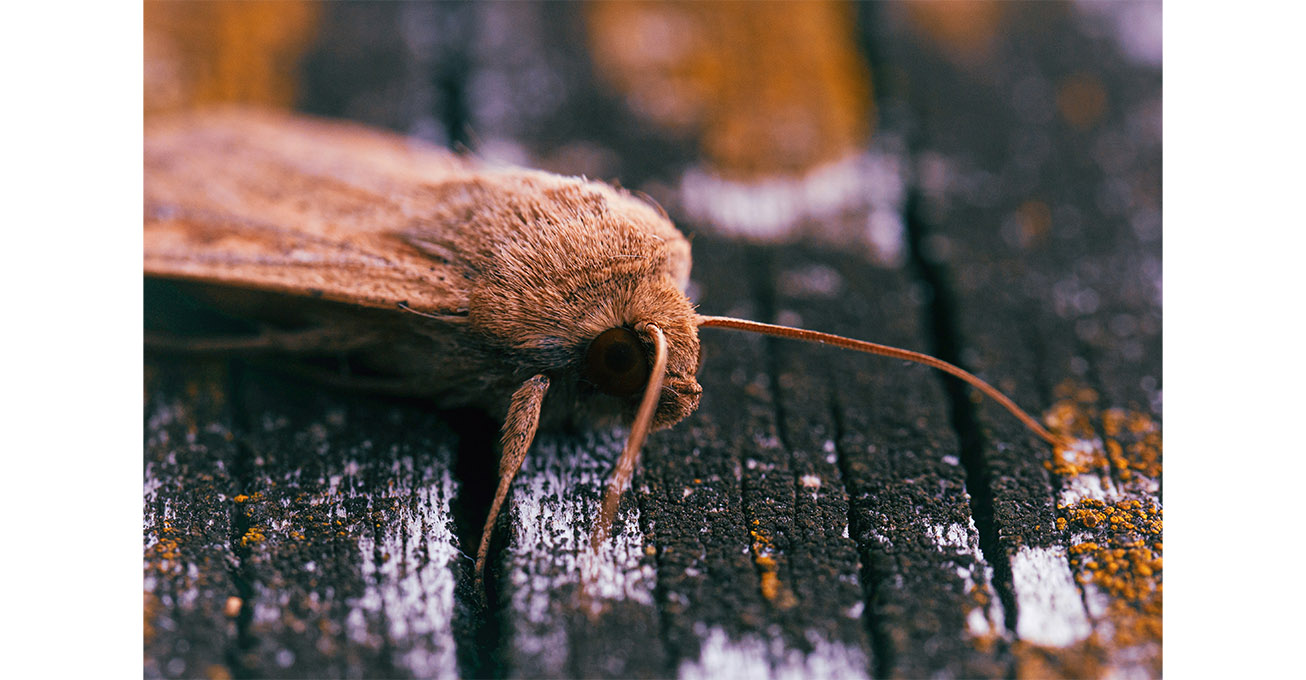
The first step in professional moth treatment is identifying the species involved. The most common moths found in London homes are textile moths, sometimes referred to as clothes moths or carpet moths. These moths lay eggs on natural fibres such as wool carpets, rugs, clothing, and upholstery.
Identifying the species is particularly important because different moths do not require the same treatment approaches. Pantry moths, for example, infest stored food products rather than fabrics and require completely different control methods.
Professional pest control technicians look for signs such as:
- Damage to carpets or clothing
- Larval cases or webbing
- Adult moth activity around fabrics
- Areas where natural fibres are present
Correct identification helps determine the most effective treatment method.
- Inspecting the Property for Breeding Areas
After identifying the type of moth present, technicians inspect the property to locate breeding areas where larvae are feeding. Moth larvae often develop in areas that are rarely disturbed, including:
- Carpet edges along skirting boards
- Underneath furniture and beds
- Wardrobes and clothing storage areas
- Rugs and upholstered furniture
- Stored blankets or wool fabrics
Because larvae remain hidden while feeding, infestations can develop quietly over time. A professional inspection helps determine the extent of the infestation and which areas require treatment.
- Targeting the Larval Stage
Professional moth exterminators focus on eliminating the larval stage of the moth lifecycle, as this is the stage responsible for fabric and carpet damage. While adult moths may be visible flying around rooms, the real infestation is usually located in areas where larvae are feeding on natural fibres.
Treatment strategies, therefore, focus on:
- Eliminating larvae in carpets and fabrics
- Destroying eggs before they hatch
- Preventing new moths from emerging
This approach breaks the moth lifecycle and prevents the infestation from continuing.
- Applying Professional Treatment Methods
Once breeding areas have been identified, pest control technicians apply treatments designed to eliminate larvae and eggs. Traditional moth treatments often use targeted insecticidal products applied to affected areas such as carpets, skirting boards, and furniture.
However, some specialist pest control companies also use heat-based treatments for severe infestations. Heat treatment works by raising room temperatures to around 49–60°C, a lethal temperature for moths at every stage of their lifecycle, including eggs, larvae, pupae, and adult moths. This heat will then penetrate deep into carpets, fabrics, and furniture, where moth larvae often hide, and work on eliminating all that is hiding.
For Londoners seeking a faster alternative to traditional sprays, specialist providers like ThermoPest utilise this advanced thermal technology. By using industrial-grade heating systems, they can neutralise an entire moth colony from eggs to adults in a single session. This “heat-soak” method is specifically engineered to penetrate the deep floorboard gaps found in period London properties. Explore professional moth heat treatments in London.
- Monitoring the Infestation After Treatment
After treatment has been completed, pest control companies often monitor the property to ensure the infestation has been fully eliminated and that the treatment has successfully broken the moth lifecycle. They can do this through monitoring traps, which track adult moth activity and confirm that new moths are no longer emerging. Follow-up inspections may also be recommended depending on the severity of the infestation and the treatment method used.
- Providing Advice to Prevent Reinfestation
Preventative advice is an important part of professional moth control. Pest control technicians often advise homeowners on steps that can reduce the risk of future infestations, including:
- Regular vacuuming of carpet edges and under furniture
- Storing wool clothing in sealed containers
- Checking wardrobes and storage areas regularly
- Identifying early signs of moth activity
Early detection and preventative care can significantly reduce the likelihood of further damage to carpets, clothing, and upholstery.
Professional Moth Treatment in London
Textile moth infestations can develop quietly for months before becoming visible. Professional pest control companies specialising in moth infestations are able to identify hidden breeding areas and apply targeted treatments designed to eliminate the infestation effectively.
If you’re experiencing this problem, reach out to specialist companies such as ThermoPest, which focus specifically on textile moth infestations in London homes and use advanced treatment methods designed to eliminate moths at every stage of their lifecycle.