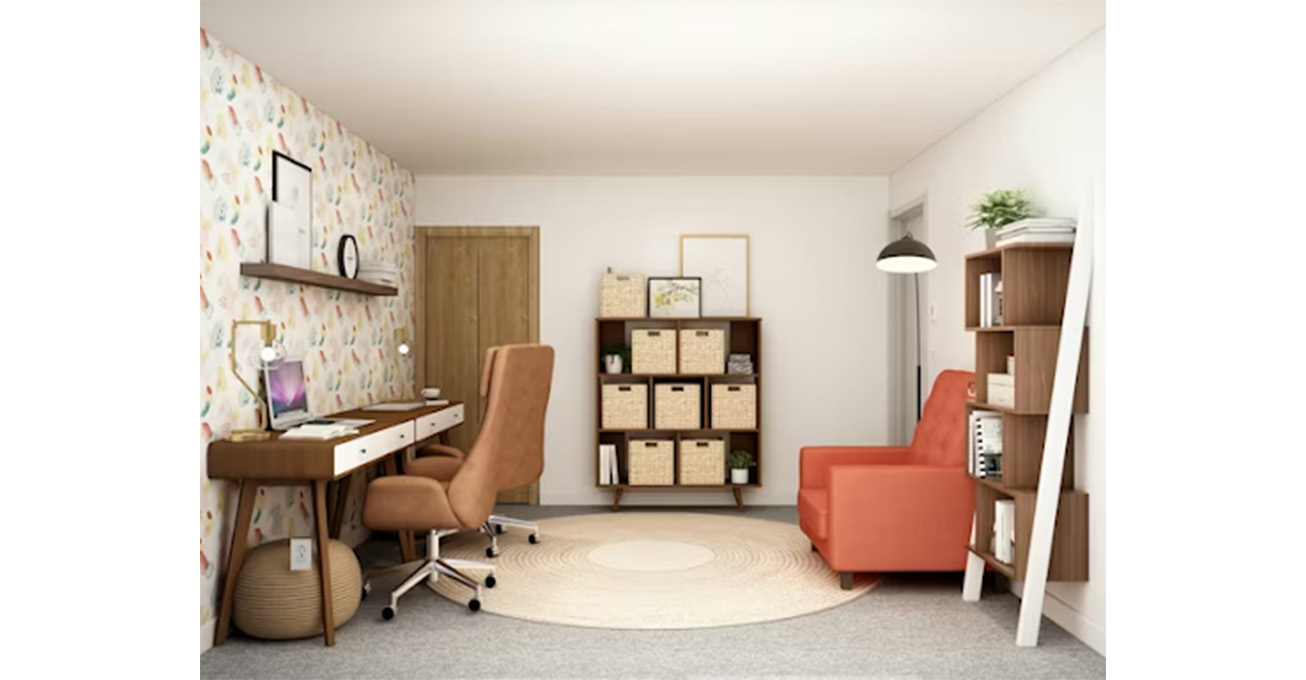
The spot where you get things done really shapes how productive and creative you are, and even how you feel overall. Since more of us are working flexibly or from home these days, having a workspace that’s set up just right is more important than ever.
It’s not just about having a desk and a chair; it’s about making a space that helps you focus, inspires great work, and feels like a natural part of your home. This guide will walk you through some key design ideas to help you turn your work area into an efficient and stylish hub.
The Psychology of Productive Spaces
It’s a known fact that our surroundings really affect how we feel. A messy, unorganised, or dimly lit workspace can make you stressed and easily distracted. But a clean, personal, and comfy one can really lift your spirits and help you perform better. The first step to making things better is understanding the psychology of workspace design. Things like colours, natural light, and even having plants around can change your mood and how well your brain works. When you take charge of these things, you’re actively creating a more positive and effective work experience. The goal is to build a space that makes it easy to get into a good work rhythm and perhaps even helps enhance your well-being.
Beyond the Desk: Crafting a Cohesive Look
Your workspace shouldn’t feel like an afterthought, especially if it’s part of a bigger room. To make everything look good together, think about how the materials, colours, and style of your work area fit in with the rest of your home’s decor. This doesn’t mean everything has to be an exact match, but there should be a nice flow. For example, you could use the same metallic finish from your living room fixtures on your office hardware, or pick a desk made from wood that goes well with your flooring. Doing this makes your workspace feel like it belongs, not just a temporary setup, which helps blend your work and home life in a way that looks great.
The Impact of Lighting on Focus and Mood
Lighting is important for a workspace, but it often gets overlooked. Bad lighting can lead to eye strain, headaches, and tiredness, all of which make it harder to get things done. Good lighting, on the other hand, can give you energy and help you focus. The best setup uses different layers of light:
- Ambient Light: This is your general, overall light from ceiling fixtures or natural light.
- Task Light: This is a focused light for specific jobs, like a desk lamp for reading.
- Accent Light: This is used to highlight cool architectural features or decorations.
Mixing these types lets you change the mood to suit what you need throughout the day. For overhead lighting that looks sophisticated, finding the best pendant lights can really define the space and give you great general light while also adding to the overall look.
Choosing Quality Hardware for Durability
Often, it’s the little things that make the biggest difference. The hardware you choose for your workspace, like cabinet handles, drawer pulls, light switches, and sockets, all add to the overall look and feel. Picking high-quality materials not only makes things look better but also means they’ll last longer and feel good to touch. Solid brass, brushed nickel, or matte black finishes can add a touch of class and professionalism. Investing in durable, well-made hardware means you won’t have to deal with wobbly handles or cracked switch plates, keeping your space looking sharp and working well for years. This attention to detail shows you care about quality in every part of your work.
Creating a Professional First Impression
These days, with all the video calls, your workspace often becomes the background for professional chats. What clients and colleagues see behind you shapes their impression of you. A neat, well-organised background shows you’re professional and pay attention to details. Tidy up your background by clearing clutter, organising bookshelves, and adding a few nice decorative touches, like a plant or a piece of art. Good lighting is also key for video calls, so people can see you clearly. By carefully planning what’s in the frame, you can come across as confident and capable, boosting your professional image without saying a word. This is a crucial part of creating a productive workspace that meets all your professional needs.
Ultimately, making your workspace better is an investment in yourself. Using these design ideas helps you create a space that not only looks great but also actively helps you do your best work.