
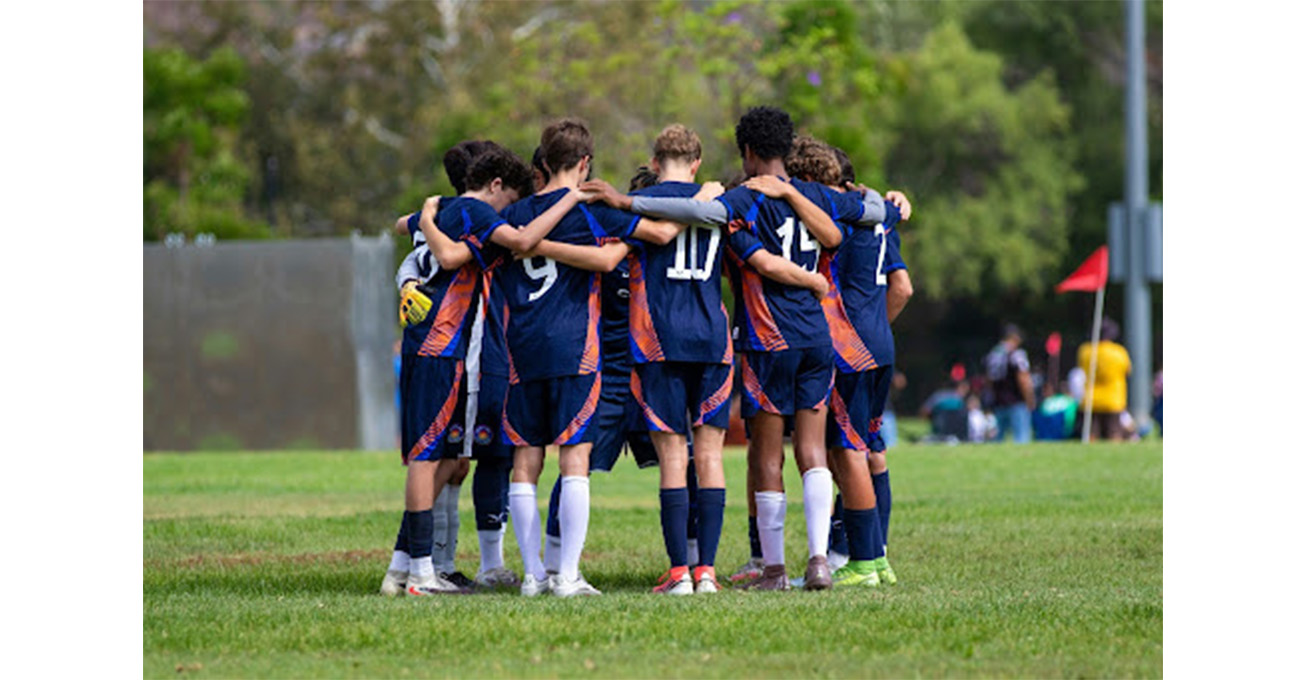
Sport plays an important role in many people’s lives. It brings people together, encourages healthy habits and teaches valuable life skills. For some, it is about reaching the highest level and competing for major titles.
For others, it is simply about enjoying a weekly match with friends or taking part in a local event. Whatever the level, every sporting achievement deserves to be recognised. A little appreciation can make a big difference to the people who take part.
Recognition does not have to involve a major ceremony or a large prize. It could be a few kind words from a coach, a team photo or a football trophy presented at the end of a season. These small gestures show players that their effort has been noticed. They also give people something positive to remember long after the final whistle.
Sporting achievements can take many different forms. Someone might score their first goal, complete a difficult training programme or return to the pitch after a long break. Another person might help their team improve or encourage a new player who is finding their feet. These moments may not attract attention from a large audience, but they can mean a great deal to the people involved. Taking time to recognise them helps create a sporting environment where everyone feels that their contribution matters.
Celebrating effort, not just winning
In sport, it is easy to focus on the final result. The winning team gets the attention, while the other players may feel that their efforts have gone unnoticed. However, there is much more to sporting success than coming first. Turning up for training, improving a personal best or supporting teammates are all achievements worth celebrating.
This is particularly important for younger players. Children are still learning how to deal with success and disappointment. If they only receive praise when they win, they may start to believe that anything less than first place is a failure. Recognising hard work and progress helps them understand that improvement matters too. It also encourages them to enjoy the activity itself rather than worrying constantly about the scoreboard.
Coaches and parents can play an important role here. Instead of only asking about the result after a match, they can ask what the players enjoyed, what they learned and which parts of their performance made them proud. This shifts the conversation towards personal development. A child who has learned a new skill or shown greater confidence on the pitch should feel just as encouraged as someone who scores the winning goal.
The same idea applies to adults. Amateur athletes often balance sport with work, family life and other responsibilities. Finding the time to train and compete takes commitment. Acknowledging that dedication can help people feel proud of what they have achieved, regardless of their position in the league. For many people, simply staying involved in a sport over several years is an accomplishment in itself.
Building confidence and motivation
Positive recognition can have a lasting effect on confidence. When people feel that their efforts matter, they are more likely to believe in their abilities. This can encourage them to keep practising, try something new or set themselves a more challenging goal. Feeling appreciated can also make it easier to deal with mistakes because participants understand that one disappointing performance does not define their overall progress.
For a young footballer, being praised for good teamwork might be just as meaningful as scoring a goal. For a runner, completing a first race can be a huge personal milestone. These moments help people see how far they have come. They also provide a reason to keep going when training becomes difficult or progress seems slower than expected.
Recognition can also provide motivation during difficult periods. Progress in sport is not always straightforward. Injuries, poor results and busy schedules can make it hard to stay focused. A reminder of what someone has already achieved can help them regain confidence and continue working towards their goals. Looking back at earlier performances, for example, can show an athlete that their hard work has led to genuine improvement, even if their latest result was not what they hoped for.
It is worth remembering that recognition should be personal and sincere. Not everyone enjoys being praised in front of a large group. Some players may appreciate a public announcement, while others would prefer a quiet word from their coach. Understanding these differences makes appreciation more meaningful. The aim is to help people feel valued, not to put them under pressure or create another competition.
Bringing teams and communities together
Sport is often about much more than individual performance. Local clubs, school teams and community groups create places where people can meet, make friends and feel part of something. Celebrating achievements helps strengthen these connections. It gives people an opportunity to share positive experiences and reminds them that they are working towards something together.
Award ceremonies and end-of-season events are good examples. They give players, coaches, parents and supporters a chance to come together. People can look back on the season, share memories and recognise the contributions of everyone involved. For younger players, these occasions can be particularly exciting because they offer a chance to celebrate the time and effort they have put into their sport.
These events do not need to be complicated to be successful. A local club might arrange a small presentation after the final match of the season, while a school could organise an afternoon to hand out certificates and awards. Sharing photographs, mentioning memorable moments and allowing players to talk about their experiences can make the occasion feel more personal. Even a simple gathering can create memories that participants look back on for years.
It is also a chance to celebrate qualities that may not appear on a scoreboard. A player who encourages others, a volunteer who helps organise matches or a coach who gives up their free time can all make a valuable contribution. Recognising these efforts helps create a welcoming atmosphere where people feel appreciated. It can also encourage more people to get involved, whether by helping with training sessions, supporting events or joining a local team.
Teaching valuable lessons for the future
Learning to recognise achievements also teaches important lessons about respect and appreciation. Players begin to understand that success is not always individual. It often depends on teamwork, patience and the support of others. A football team, for example, needs more than talented goal scorers. Defenders, goalkeepers and players who work hard away from the ball all have an important part to play.
It can also help people develop a healthier attitude towards competition. Winning feels great, but losing is part of sport too. When effort and improvement are valued alongside results, participants are more likely to enjoy the experience and learn from setbacks. Rather than seeing a defeat as the end of the road, they can look at what went well, identify areas to improve and prepare for the next opportunity.
These lessons can stay with people beyond the sports field. Being able to work with others, handle challenges and appreciate progress are useful skills in education, work and everyday life. Sport offers a natural way to develop them. Young people, in particular, can learn that dedication often matters more than immediate results and that everyone has something valuable to contribute.
Recognition can also encourage respect between competitors. Congratulating an opponent after a close match or acknowledging another team’s progress shows good sportsmanship. These gestures help create a positive atmosphere, even when the competition is intense. They remind players that the people on the other side of the pitch share the same enjoyment of sport and often put in just as much effort.
Making every achievement feel special
There are many simple ways to celebrate sporting success. Clubs can organise annual award evenings, schools can hand out certificates and teams can recognise a different achievement after each match. The important thing is to make the recognition genuine and relevant to the person receiving it. Some awards might focus on individual performance, while others could recognise teamwork, improvement, commitment or fair play.
Having different types of awards can help make sure that recognition is not limited to the strongest or most experienced players. A newcomer who has made excellent progress during their first season might receive an improvement award. Another player could be recognised for always supporting their teammates or showing a positive attitude during training. This gives more people a chance to feel included and reminds everyone that a team relies on different strengths.
The reward itself does not need to be expensive or elaborate. What matters is the thought behind it. A small award, a personal message or a moment of appreciation can become a lasting memory. Local clubs and organisers can also make these occasions more special by involving families and supporters. When people have the opportunity to celebrate together, the recognition often becomes an important part of the club’s wider community.
It is also useful to make recognition a regular part of sporting life rather than something that only happens once a year. Coaches can highlight positive contributions during training, teams can celebrate small milestones and clubs can share achievements in their newsletters or on social media. These everyday gestures help maintain motivation throughout the season and show participants that their efforts are noticed consistently.
Whether someone is taking part in their first school competition or celebrating years of dedication to a local club, their progress deserves attention. Recognising sporting achievements helps people feel valued, builds stronger communities and encourages them to keep enjoying sport. The right award can make these moments even more memorable, and Budgettrophy offers a range of trophies for clubs, teams and sporting events looking to celebrate the efforts of their participants. It is worth recognising every step along the way.
Photo Credit: Unsplash.