
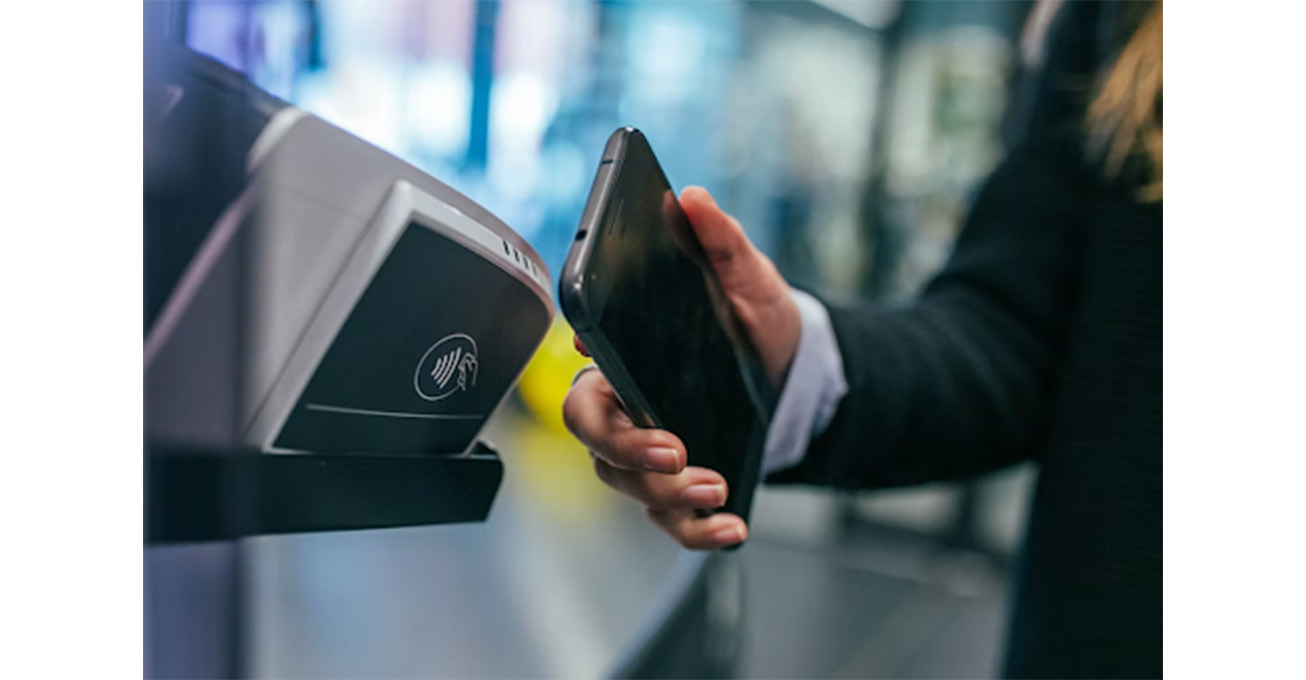
The traditional image of a business transaction, with a customer queuing at a fixed till, is rapidly becoming a relic of the past. Today’s digital economy demands speed, flexibility, and convenience, not just for the customer but for businesses themselves.
Companies still relying on old hardware and fixed points of sale risk being outmanoeuvred by more agile competitors. This shift towards a more dynamic way of operating is heavily influenced by the future of enterprise technology, where portability and integration are key. Embracing this change isn’t just an option anymore; it’s essential for survival and growth.
The Customer Expectation Has Changed
People today expect seamless digital experiences in every part of their lives, from ordering a taxi to streaming a film. This expectation now includes how they pay for things. They no longer want to wait in long queues or be stuck at a single payment counter in a large store. They value speed and efficiency. A business that can meet them where they are – whether on the shop floor, at a restaurant table, or at an outdoor market stall – creates a much better customer experience. This ability to process a payment anywhere, at any time, reduces hassle and can significantly increase customer satisfaction and loyalty.
Breaking Free from the Till
The rise of mobile Point of Sale (mPOS) systems has been a huge help for businesses of all sizes. Instead of investing in bulky, expensive cash registers, companies can now use tablets and smartphones as their main payment terminals. This change is possible thanks to compact, portable hardware. A simple smart phone card reader can turn a standard mobile device into a powerful tool for accepting contactless, chip and PIN, and magstripe payments. This frees up employees to engage with customers throughout the premises, busting queues during busy times and providing a more personal sales experience. For pop-up shops, food trucks, and service professionals who work on-site, this technology isn’t just convenient; it’s crucial for their business.
How Portable Payments Boost Operational Agility
Enterprise agility means an organisation can adapt quickly and efficiently to market changes. Portable payment hardware directly helps with this. It lets businesses scale their payment infrastructure up or down with minimal cost and effort. For example, a retailer can set up extra payment points during the busy Christmas shopping season using existing staff phones and portable readers, without needing to install new permanent counters. This flexibility also extends to business models. A restaurant can easily add a takeaway service or offer tableside ordering and payment. A tradesperson can take a deposit on the spot, securing the job instantly. This removes delays, improves cash flow, and allows the business to grab opportunities as they come up.
Integrating Payments into the Broader Tech Stack
The most effective modern businesses see payments not as a standalone task but as a crucial part of a larger data system. Modern portable payment systems connect with other business software, such as inventory management, accounting platforms, and Customer Relationship Management (CRM) systems. When a sale is made on a portable device, the system can automatically update stock levels, log the revenue, and link the purchase to a customer’s history. This automation saves countless administrative hours and reduces the risk of human error. More importantly, it gives business leaders real-time data and a full picture of operations, leading to smarter, data-driven decisions about stock, staffing, and marketing. The growing enterprise appeal of SoftPOS further highlights this trend, showing a move toward software-focused solutions that integrate deeply into how businesses work.
Ultimately, the shift towards portable payment hardware is about more than just convenience. It’s a strategic move that gives businesses the agility, efficiency, and data insights they need to thrive in an increasingly competitive digital world. By untethering transactions from a fixed point, companies can create better customer experiences and build more resilient, adaptable operations for the future.
Photo Credit: Unsplash.