
Public parks, nature reserves, and hiking trails are amazing places. They let us relax and connect with nature. For the folks who manage these spots, the main goal is to keep them open for everyone to enjoy. But this openness has to be balanced with keeping people safe, protecting the environment, and running things smoothly. Finding that sweet spot is getting tougher, but luckily, new solutions are making it easier to look after our favorite outdoor places without having to lock them up.
Balancing Openness and Safety in Nature
The whole point of public outdoor spaces is that everyone should be able to use them. We want people to get out there and have fun! But this idea can bump up against what land managers need to do: stop vandalism, protect delicate ecosystems, and make sure visitors are safe. If access is totally unrestricted, fragile areas can get overused, or facilities might get misused after hours. Finding good ways to handle these balancing contradictions in protected areas is super important for keeping these places going strong in the long run. The best solutions make it feel like anyone can come and go, while also giving managers the tools they need to secure the site when necessary.
Challenges in Managing Outdoor Entrances
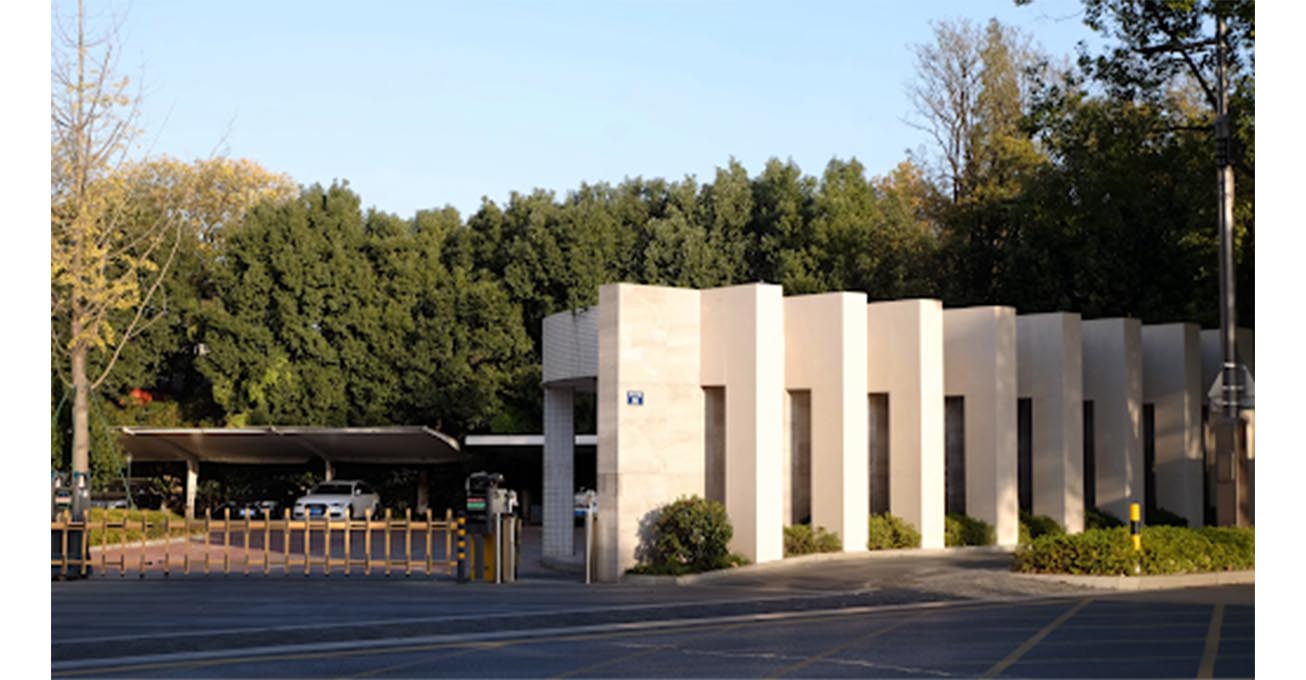
Managing the entrances to big outdoor areas, especially those in remote spots, can be tricky. With old-fashioned locks and gates, staff have to be there in person to open and close them. That’s expensive and takes a lot of time, especially if a place has many entry points. This manual way of doing things can mean inconsistent hours, big queues during busy times, and leaving sites vulnerable after dark. Plus, it’s almost impossible to count visitors or control who goes into specific areas like campgrounds or reservoirs without a more advanced system. All these problems show why we need ways to create secure exterior environments that feel welcoming but can also be controlled.
How Smart Access Enhances Visitor Experience
Smart technology offers a great way to tackle many of these issues and make visiting even better. Instead of relying on manually locked gates, imagine an automated system that opens and closes at scheduled times. A modern access control system allows managers to centrally manage vehicle entrances, pedestrian gates, and access to restricted areas such as visitor centres or maintenance buildings. It also makes it easy to update schedules, operate entrances remotely, and provide temporary access to contractors or emergency services. For visitors, this means reliable opening hours and a smoother arrival experience.
Integrating Security for Event Management
Public parks are often buzzing with special events, from community festivals to charity runs. These events bring their own set of challenges. Managers need to handle big crowds, direct traffic, and secure specific areas for vendors or staff. Integrated security solutions make this much simpler. For example, event staff can get access passes for specific times and places, and these passes automatically expire once the event is over. You can also set up temporary rules for parking areas to handle all the extra cars. This level of control helps events run smoothly and safely, keeps the park’s regular operations from getting messed up, and makes sure only authorized people can get into restricted areas.
Data-Driven Insights for Site Managers
Smart access systems do more than just open and close gates. They also provide useful data that can help managers run things better. By tracking when people enter and exit, managers can see when the park is busiest and which entrances are most popular. This information is super important for figuring out staff schedules, planning maintenance, and even justifying requests for funding. For instance, if the data shows a particular trail entrance is getting a lot more use on weekends, managers can send more resources to that area for trail upkeep or visitor support. This data-driven approach means more efficient operations and smart long-term planning to keep the visitor experience top-notch for years to come.
Ultimately, keeping our public lands safe isn’t about blocking access. It’s about managing it cleverly. By using modern solutions, we can make sure these important spaces stay safe, open, and beautiful for everyone.