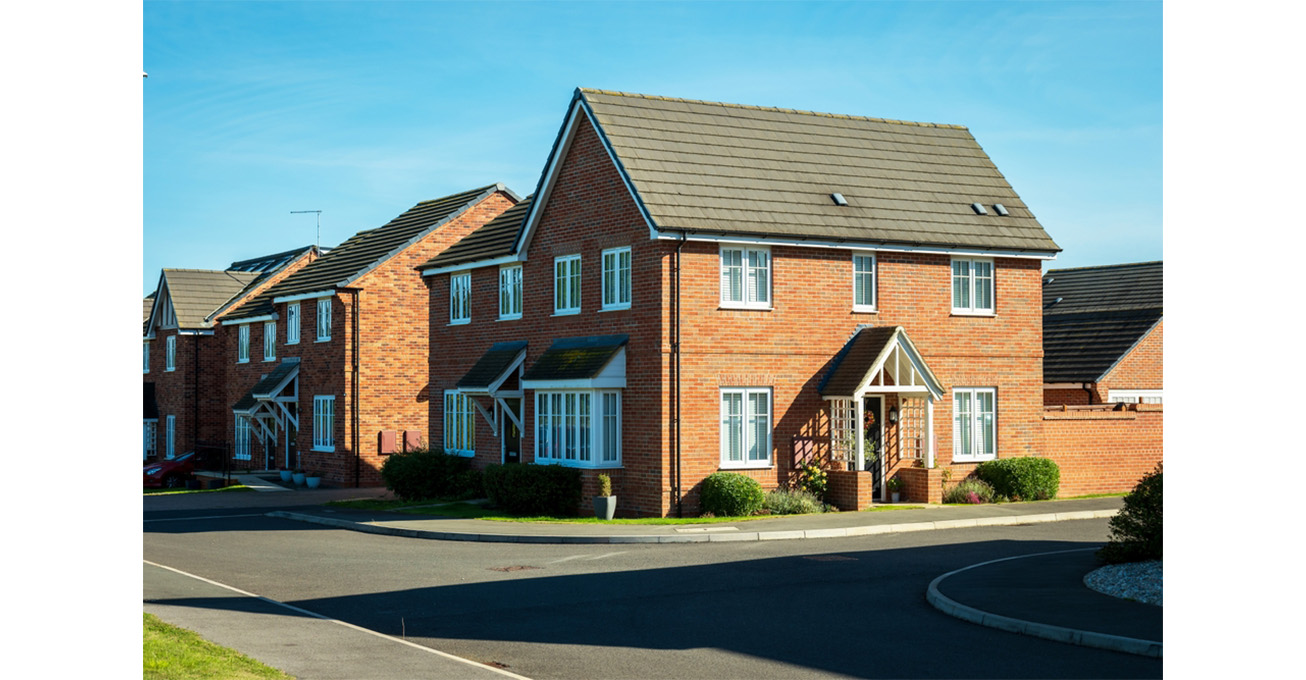
 Residential property maintenance is often viewed as a routine obligation, yet its significance extends far beyond basic upkeep. A property is a long-term asset, and like any valuable investment, it requires consistent care to preserve its condition and financial worth. Minor issues left unresolved can gradually evolve into substantial structural or cosmetic problems, reducing both desirability and market value.
Professionals within the property sector, including experienced local agents such as Hunters barnsley estate agents, frequently observe the direct relationship between property condition and market performance. Well-maintained homes not only attract stronger buyer interest but also retain value more effectively during changing market conditions.
Understanding Property Value Retention
Property value retention is influenced by numerous factors, including location, market conditions, and economic trends. However, the physical condition of the property remains one of the most controllable variables for homeowners.
Buyers assess more than size and layout. They evaluate how well the property has been maintained over time. Signs of neglect, even relatively minor ones, can create doubt regarding the overall integrity of the home. Conversely, a property that demonstrates consistent care often commands greater confidence and stronger offers.
Preventative Maintenance vs Reactive Repairs
Preventative maintenance involves identifying and addressing issues before they escalate. This approach is invariably more economical and less disruptive than reactive repairs, which often occur after damage has already developed.
For example, repairing a small roof leak promptly may involve minimal expense. Ignoring it, however, can lead to water damage, mould growth, and structural deterioration. Preventative maintenance therefore protects not only the property itself but also the homeowner’s financial position.
Structural Integrity and Building Preservation
Structural integrity is fundamental to property value. The roof, foundations, external walls, and supporting framework collectively determine the building’s stability and longevity.
Regular inspections help identify early signs of wear or damage, such as cracks, loose tiles, or deteriorating mortar. Addressing these issues promptly prevents gradual degradation and preserves the property’s structural resilience. Buyers are far more confident in properties that exhibit clear evidence of consistent maintenance and care.
Interior Maintenance and Presentation
The condition of a property’s interior significantly influences perception and value. Walls, ceilings, flooring, and fixtures contribute to the overall impression created during viewings.
Worn carpets, peeling paint, or damaged fittings may appear superficial, yet they can negatively affect buyer confidence. A clean, well-maintained interior creates an atmosphere of care and reliability. This perception often translates into stronger market appeal and improved resale potential.
Plumbing, Heating, and Electrical Systems
Essential systems within the home require ongoing attention. Plumbing, heating, and electrical infrastructure form the operational backbone of the property, and failures in these areas can be both costly and disruptive.
Routine boiler servicing, electrical inspections, and plumbing checks reduce the likelihood of major malfunctions. Buyers also place considerable importance on these systems during evaluations. Evidence of regular servicing reassures prospective purchasers that the property has been responsibly maintained.
Exterior Appearance and Kerb Appeal
First impressions carry considerable weight in property transactions. The exterior appearance of a home, often referred to as kerb appeal, influences how buyers perceive the property before entering.
Well-maintained gardens, clean pathways, and properly painted exteriors contribute to a sense of quality and care. Conversely, neglected outdoor spaces may suggest broader maintenance issues. Exterior upkeep therefore plays a crucial role in both marketability and value retention.
Energy Efficiency and Modernisation
Energy efficiency has become an increasingly influential factor in property valuation. Buyers are more conscious of running costs, sustainability, and environmental impact than ever before.
Features such as modern insulation, double glazing, and efficient heating systems enhance both comfort and long term affordability. Properties that incorporate energy-efficient upgrades are often more attractive in the market and may command higher resale values as regulations and buyer expectations continue to evolve.
Damp, Mould, and Moisture Prevention
Moisture-related issues can significantly undermine property value if left unresolved. Damp and mould not only affect aesthetics but can also compromise structural integrity and indoor air quality.
Early warning signs, including condensation, musty odours, or discoloured walls, should never be ignored. Adequate ventilation, prompt repairs, and consistent monitoring are essential in preventing long term damage. Buyers are often particularly cautious when signs of damp are visible, making prevention especially important.
Legal, Safety, and Compliance Considerations
Property maintenance also encompasses compliance with safety standards and legal obligations. Smoke alarms, carbon monoxide detectors, and electrical certifications are all integral aspects of responsible ownership.
A property that meets current safety expectations inspires greater confidence among buyers and surveyors. Non-compliance, on the other hand, can create delays, reduce value, or even jeopardise transactions altogether.
Financial Benefits of Regular Maintenance
Regular maintenance offers tangible financial advantages. By preventing deterioration and reducing the likelihood of major repairs, homeowners protect the long term value of their investment.
Well-maintained properties also tend to sell more quickly and attract stronger offers. Buyers are generally willing to pay a premium for homes that require minimal immediate work. Over time, the cumulative effect of consistent maintenance can significantly improve overall return on investment.
Working with Property Professionals
Professional expertise plays an important role in maintaining property value. Surveyors, contractors, and estate agents provide insights that help homeowners identify potential issues before they become severe.
Experienced professionals can also recommend strategic improvements that enhance both functionality and appeal. Combining regular maintenance with expert guidance ensures that the property remains competitive within the market and continues to perform as a valuable long term asset.
Choosing durable and efficient materials for these improvements is key to long-term value. Guidance from companies such as VentraBlock can significantly enhance efforts in property maintenance and management. Such partnerships not only reduce ongoing maintenance costs but also boost the property’s overall market appeal to discerning buyers.
Residential property maintenance is far more than a matter of routine care. It is a strategic investment in the longevity, safety, and financial performance of a home. Through consistent upkeep, preventative action, and professional guidance, homeowners can protect and enhance property value over time. In an increasingly competitive market, well-maintained homes stand apart, offering greater confidence to buyers and stronger returns for owners.