 Gene differences to pave the way for testing to prevent serious heart problems and cardiac arrest.
Rare genetic differences increase a person’s risk of serious heart problems and sudden cardiac death even in the absence of symptoms, according to research funded by the British Heart Foundation (BHF) and published in the Journals of the American College of Cardiology (JACC).
In the largest study of its kind, researchers at the MRC London Institute of Medical Sciences at Imperial College London found that these differences were present in individuals who had no visible changes to the heart.
Normally these rare genetic differences are found in people with hypertrophic cardiomyopathy (HCM). HCM is passed down through families and causes the heart wall to become thickened. This thickening causes an increased chance of stroke, abnormal heart rhythm, heart failure, and cardiac arrest.
Now, scientists have found that the presence of these rare genetic changes increase a person’s risk of cardiac arrest and serious heart problems even when they have no family history of HCM and have no symptoms.
These findings may pave the way for genetic testing that could identify those at risk of sudden cardiac death, irregular heart rhythm, stroke and heart failure.
The researchers looked for rare mutations in approximately 200,000 adults using the UK Biobank database. They then determined if these genetic changes influenced the likelihood of suffering irregular heart rhythm, stroke, heart failure and cardiac arrest.
Scientists found the genetic changes were linked to an increased risk of serious heart problems and cardiac death. These changes were present in 1 in 407 people.
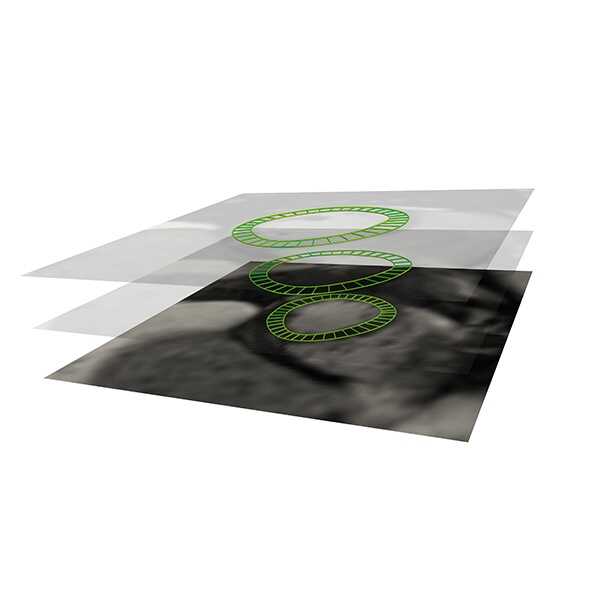
Over 40,000 of the 200,000 people were invited to have a cardiac magnetic resonance imaging (CMR) scan. Images were taken of their hearts and the thickness of the heart muscle walls were measured using artificial intelligence analysis.
Surprisingly, in the people with these genetic changes, there was sometimes an increased risk of cardiac death even when there was little or no thickening in the heart.
This research is an important step towards understanding the reason why some people suffer sudden cardiac death while others do not. It could lead to population wide genetic testing that could spot individuals at risk of sudden cardiac death who have no visible abnormalities in their hearts.
Professor Declan O’Regan, BHF-funded Professor of Imaging Sciences at MRC London Institute of Medical Sciences said: “With the rise of clinical as well as commercial genetic screening, more people than ever are able to have their genome sequenced. This research may help to spot those at greater risk of sudden heart death even before any typical signs of disease are seen. In future combining genetic testing with advanced heart imaging could help to prevent unexpected deaths particularly in young adults.”
Professor Metin Avkiran, Associate Medical Director at British Heart Foundation said: “The consequences of failing to identify those at risk of serious heart problems can be devastating. Cascade testing developed through previous BHF research allows assessment of individual risk in families with inherited heart conditions, but more work is needed to identify those at risk of cardiac events in the general population. This research is one step further towards ensuring that no one slips through the gaps.”
This study was also funded by Medical Research Council, UK, National Institute for Health Research (NIHR), Imperial College Biomedical Research Centre, NIHR Royal Brompton Cardiovascular Biomedical Research Unit, Fondation Leducq, Wellcome Trust, NHLI Foundation, Royston Centre for Cardiomyopathy Research, Rosetrees and CORDA, Academy of Medical Sciences, Mason Medical Research Trust grant, SmartHeart EPSRC Programme Grant and a Rosetrees and Stoneygate Imperial College Research Fellowship.