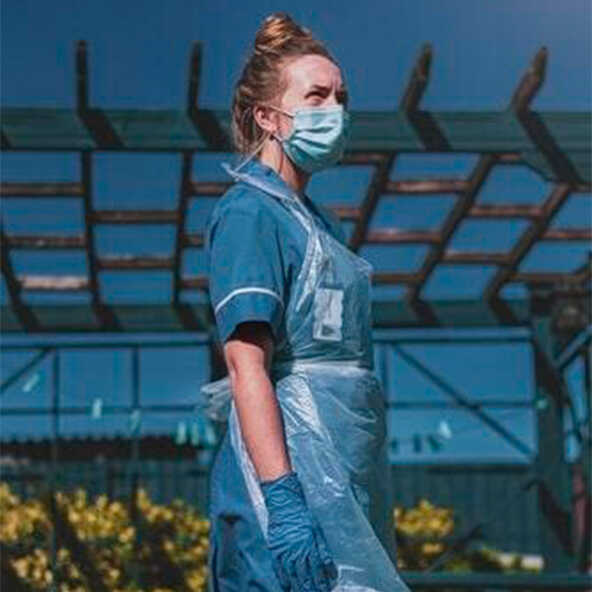
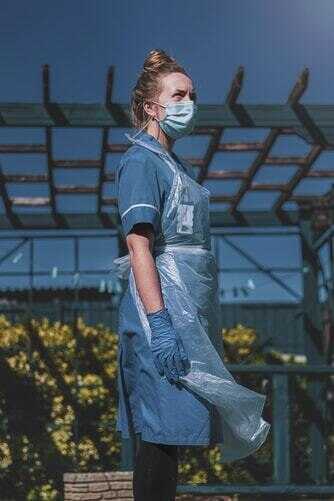
 In 2020, the pressures put on the National Health Service (NHS) were felt by everyone across the four nations of the United Kingdom. From fundraising millions of pounds to support NHS charities to weekly clapping ceremonies to show our appreciation, many of us wanted to show our support in some small way.
Over 60,000 people went one step further though and applied for nursing degrees across the country. Inspired by the frontline workers who risked their lives to protect people, many young people now see nursing as a desirable career choice.
Applications also came from career changers too, with nearly a fifth of applicants fitting into the over-35 category. A rise of nearly 40% on the previous year.
Many of these student nursing applications stated wanting to help and being inspired by the dedication of frontline workers and their commitment in the face of personal protective equipment shortages and danger, as their main reasons for applying.
In the wake of Brexit, this sudden influx of domestic nursing applications has been welcomed by healthcare providers. EU applicants to UK nursing jobs fell by 40% last year due to new visa requirements. A hard blow to the NHS who relies heavily on an international cohort of doctors and nurses.
One of the key driving factors behind this is a government bursary of £5,000 for every student nurse. Originally scraped by the UK government under austerity measures, the bursary has been reinstated to entice UK citizens to apply for NHS nursing jobs, as they desperately try to fill the gaps of dedicated EU workers.
The routes into nursing
There is of course a whole spectrum of nursing to consider when you start. Most students might have some idea of where they want to specialise as a nurse. Others might find they discover their vocation while studying.
Widely, nursing degrees usually start out as general nursing degrees that would allow you to work within a hospital or general practitioner’s surgery. But there are other specialist avenues you could take as a nurse.
For example, nurses can train to be paediatric nurses or work with adults and children with learning development needs. These are two highly regarded routes to take for a nurse.
There are also avenues to become a qualified mental health nurse. With mental health becoming an ever-increasing problem for people, it could be a very rewarding career choice for many.
On the other end, some nursing students specialise in sexual health nursing. Helping people to recover from and prevent sexually transmitted infection, get the right birth control they need or treating them for Hepatitis C or HIV/AIDs related problems.