

A quick summary from Jude:
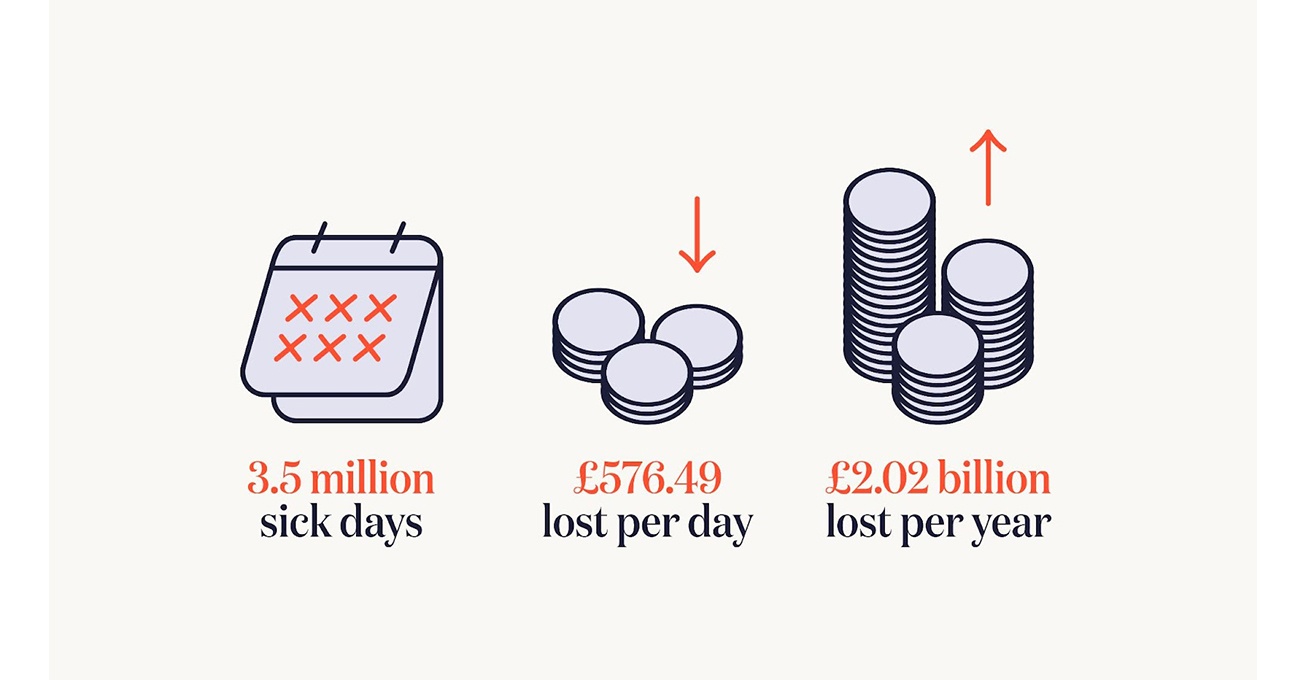
- 3.5 million workdays are lost every year due to bladder issues like incontinence, urgency and recurrent UTIs – most of them affecting women.
- That lost time equates to £2 billion in lost productivity – based on UK government estimates of Gross Value Added (GVA) per employee per day.
- Despite this, bladder health is almost never included in workplace wellbeing policies – because of stigma, shame, and silence.
Bladder health is a topic most people still avoid, especially at work. But the silence comes at a huge cost.
Bladder issues like urinary incontinence, urgency, and frequent UTIs cause millions of women to miss work or reduce hours. Many suffer in silence, too embarrassed to ask for help or workplace accommodations.
New data analysis from bladder health brand Jude reveals the scale of the issue:
- 3.5 million bladder-related sick days every year.
- At £576.49 lost per workday (ONS GVA data), that’s over £2 billion lost annually to the UK economy.
- The majority of those affected are women, especially post-childbirth and post-menopause.
That’s billions quietly disappearing from the economy. Not because the problem can’t be fixed, but because no one is talking about it.
Bladder health isn’t just a personal issue. It’s a workplace issue. It’s a productivity issue. And it’s time we treated it like one.
Why isn’t bladder health on the wellbeing agenda?

Although up to 1 in 3 women will experience bladder issues in their lifetime, most workplace wellbeing programmes don’t even mention them.
Just a few years ago, mental health was barely acknowledged at work. Now, it’s standard for companies to offer mental health days, counselling services, and open conversations. Bladder health deserves the same treatment, but it’s still seen as too ‘embarrassing’ to discuss.
Conditions like incontinence and recurrent UTIs are routinely brushed off as a normal part of ageing or something women should quietly manage. That silence creates a perfect storm: stigma leads to underreporting, under-support and unnecessary suffering.
Peony Li, Founder of Jude, believes it’s time workplaces gave bladder health the same seriousness and visibility they now give to mental health:
“If 3.5 million workdays were being lost to any other health issue, we’d be debating it in Parliament, funding awareness campaigns, and building workplace policies to fix it. But because it’s bladder health (and because it mainly affects women), it’s ignored, dismissed, or treated as too awkward to discuss.
“This isn’t just about awareness. It’s about action. It’s about recognising that bladder issues aren’t niche or rare. They’re everyday realities for millions of people, and they’re quietly impacting people’s working lives.
“We’ve already seen how far workplaces have come with mental health: what was once taboo is now spoken about and taken seriously. Bladder health deserves the same push. It needs to be normalised, prioritised, and treated with the same urgency.
“Because if we don’t, workplaces will keep losing brilliant people, to a problem no one feels they’re allowed to name.”
Peony Li, Founder at Jude.