
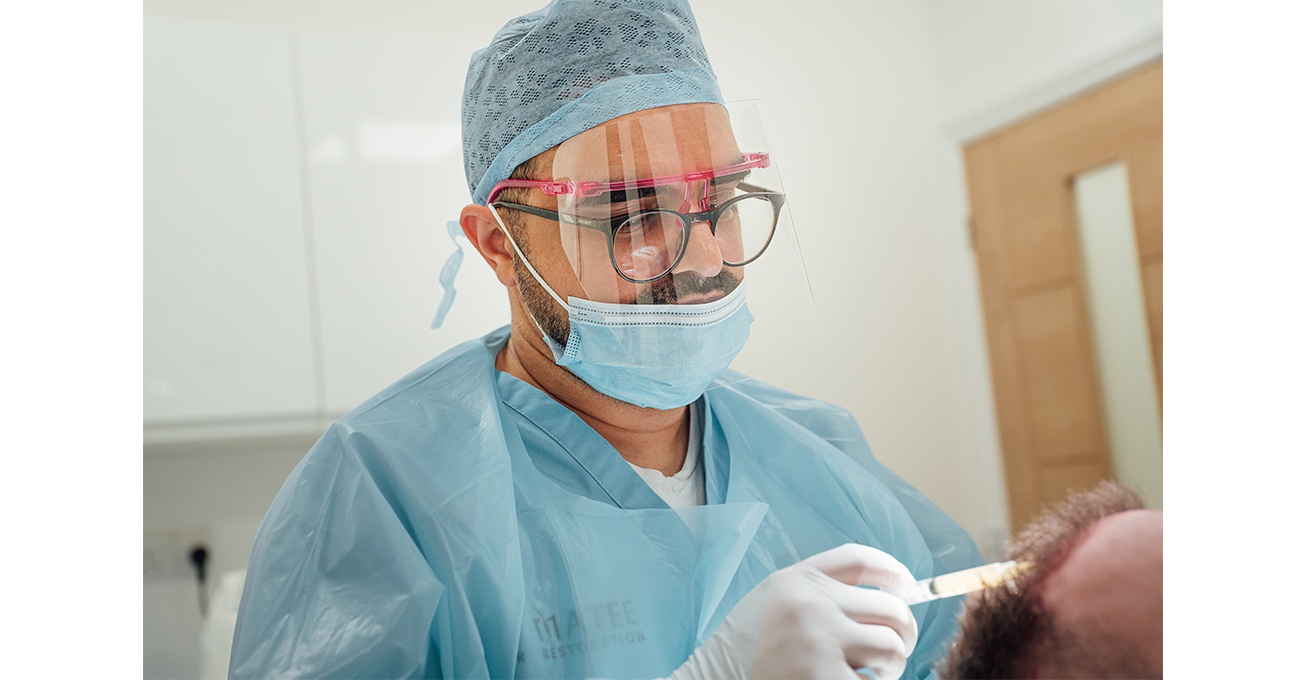

Dr Matee Rajput, the UK’s foremost hair transplant surgeon and hair loss specialist, has reported a significant rise in the number of young men turning to finasteride, a popular medication for male pattern baldness. The increase is most prominent among men in their 20s – and even late teens – as growing awareness and online accessibility drive early intervention in hair loss treatment.
“We’ve seen a dramatic uptick in men seeking finasteride in recent years, especially younger patients,” says Dr Rajput. “Social media has played a big part, with influencers building entire followings around hair loss journeys. Combine that with easier access through telehealth platforms like Hims, Manual, and Keeps, and we’re now seeing men start treatment much earlier to prevent – not just treat, hair loss.”
Understanding How Finasteride Works
Finasteride, taken as a 1 mg daily pill for hair loss, works by blocking the enzyme that converts testosterone into dihydrotestosterone (DHT), the hormone most responsible for male pattern baldness. While originally developed in a higher dose (5 mg) for prostate issues, the lower dose has proven effective at slowing, stopping, and even partially reversing hair loss in many patients.
“It’s most effective in the early stages of hair loss, which explains the increasing uptake in younger men,” explains Dr Rajput. “And for many, especially those struggling emotionally with hair loss, the benefits outweigh the risks.”
A Word of Caution: Side Effects and Supervision
While clinical trials suggest side effects occur in just 1–2% of users – typically involving libido changes, erectile dysfunction, or mood shifts, Dr Rajput stresses the importance of informed consent and medical supervision.
“In my career, I’ve had only one patient report rare side effects – an individual with a known history of anxiety who experienced suicidal thoughts. We advised him to stop immediately, and his symptoms resolved. This is why screening and follow-ups matter.”
He adds that although telehealth platforms have improved access, some may not thoroughly assess mental health history before prescribing, leading to risks being downplayed. However, most patients under proper care report overwhelmingly positive experiences.
Are the Benefits Worth It?
Dr Rajput advocates a trial-based, monitored approach for those considering finasteride – particularly younger men in the early stages of hair thinning. Newer options like topical finasteride may also offer a lower-risk alternative, though long-term data is still limited.
“We usually start patients on a trial basis and monitor closely. If they respond well, we continue; if not, we stop. It’s a balanced, patient-first approach.”
The Bigger Picture: Hair Loss and Mental Health
With over 6.5 million men in the UK reportedly affected by male pattern baldness, Dr Rajput also highlights the emotional and psychological toll that hair loss can take –especially among younger generations increasingly conscious of image and identity.
“Hair loss can deeply affect confidence and mental health,” he says. “For some, finasteride has been life changing. For others, side effects can be distressing. Our role is to guide, support, and monitor patients every step of the way.”
Visit drmatee.com and follow @drmatee on Instagram to keep up to date