
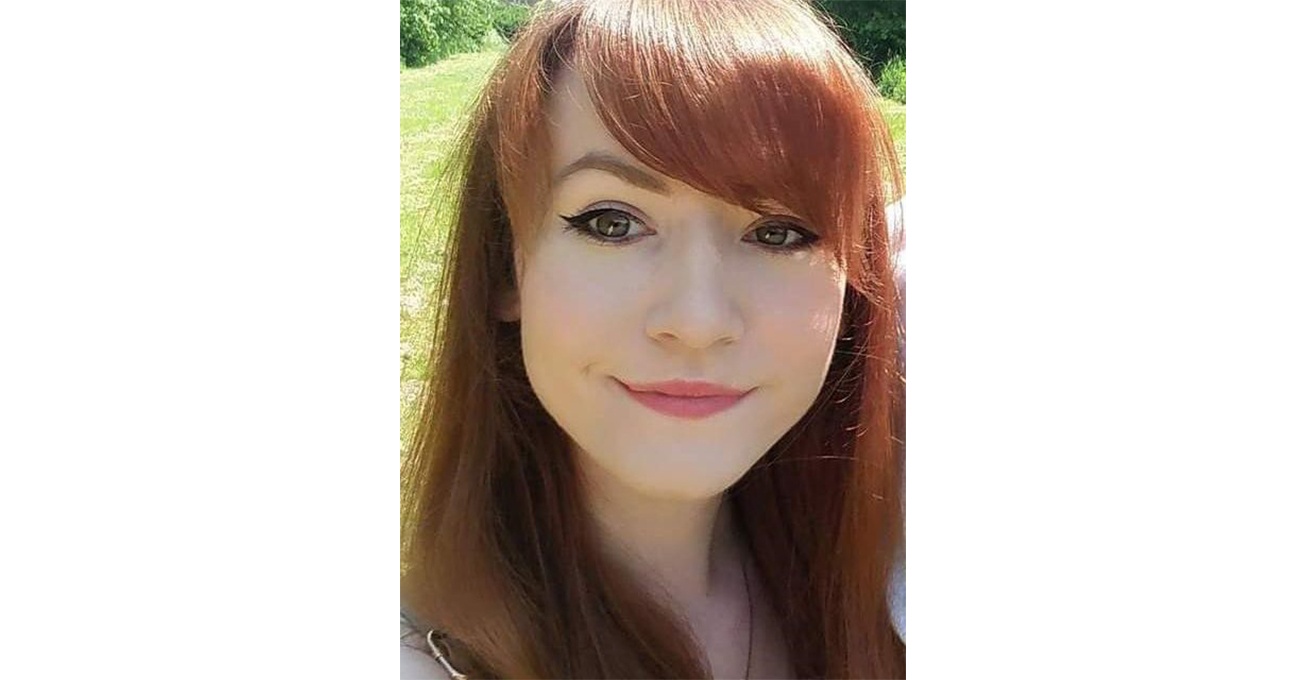

In today’s rapidly evolving business landscape, forward-thinking organisations are recognising the immense value of including young voices in effective governance. One such organisation especially leading the charge is Sustainability West Midlands (SWM), a member of the STEAMhouse innovation centre, which has appointed India Ford as its new Young Director. Her appointment not only signifies a commitment to diversity and inclusion in a way sometimes overlooked but also reflects a growing trend of embracing reverse mentoring as a means of fostering innovation and reshaping leadership in the modern workplace.
The Young Director role at SWM, established way before its time in 2013, was designed with the goal of giving emerging professionals a platform to contribute fresh perspectives to the organisation’s board. Since its inception, the role has attracted exceptional candidates, many of whom have come from prestigious institutions and companies across the region, including the West Midlands Combined Authority , SUEZ, and ARUP.
India Ford, who currently serves as a Placements & Projects Manager at Keele University, is the latest leader to take on the position. With her expertise in Geography, Geology, and the Environment, as well as a deep commitment to community engagement, India is set to bring a wealth of experience, as well as fresh perspectives to the SWM board. Her background in volunteering with Groundwork West Midlands, where she supported community engagement events at Silverdale Country Park, further strengthens her passion for sustainability and local impact.
But it’s not just India’s qualifications that are noteworthy – it’s the way in which organisations like SWM are embracing young leaders as partners in the decision-making process. This shift is exemplified by initiatives like reverse mentoring, a practice that encourages senior leaders to learn from younger professionals and allows emerging talent to challenge conventional thinking. This is especially true where young people hold the key to a sustainable future and have the passion and energy to drive change.
The rise of reverse mentoring reflects a broader shift towards more inclusive leadership styles. Companies are increasingly recognising the importance of creating environments where knowledge is exchanged equally, allowing younger voices to influence decisions that shape the future of business. Yet, there is a greater opportunity for businesses to take this concept further. By appointing young directors, organisations can formalise this two-way exchange at the highest levels of governance, ensuring that the perspectives and priorities of younger generations are embedded in strategic decision-making. At SWM, young directors have full responsibility as a non-executive director, contributing to four board meetings a year and providing leadership to the organisation. They benefit from mentoring from another member of the board and focus on developing skills in leadership.
Young directors, like India Ford at SWM, play a crucial role in facilitating this dynamic. Their presence on boards not only complements reverse mentoring but also drives a deeper integration of youth-driven insights into the company’s long-term vision. Young directors can challenge conventional strategies, question outdated practices, and bring forward innovative solutions that align with the evolving needs of customers, employees, and communities.
India shares her excitement on her new role as well as the importance the title holds: “I’m very excited to have been appointed SWM Young Director for 2025. I’m looking forward to supporting the board to achieve its vision for the West Midlands by offering my insights, helping to increase membership and sharing the great work SWM undertakes with my network. Within my work at Keele University, I support students to access work-based learning opportunities to help to prepare them for the professional world. With the demand for green skills ever increasing, I believe my role as a link between industry and academia is increasingly important to ensure that our graduates are equipped with the skills required of a future workforce – hopefully many of them will be employed in the West Midlands to support SWMs vision! I’m grateful to be on the SWM board; I’m eager to learn from the other board members and I’m excited to see how I develop both personally and professionally over the next year!”
There’s an undeniable value in ensuring that young voices are heard at the highest levels of business. For many organisations, this means breaking away from traditional leadership models and opening doors to younger talent who bring new insights, energy, and creativity to the table. By fostering an environment where youth can lead, organisations are positioning themselves to thrive in an increasingly complex and competitive world.
SWM’s collaboration with STEAMhouse – a centre dedicated to innovation, sustainability, and problem-solving – further strengthens this approach. The partnership cultivates a forward-thinking environment where ideas are not only tested but are implemented in real, impactful ways.
Andrew Pollard, Chair of SWM, welcomes India to the role: “I am delighted that India has been appointed Sustainability West Midlands’ Young Director for 2025. This is a continuation of our organisation’s Young Director programme which has been running for many years and has proved highly successful in helping deliver our sustainability goals on behalf of our membership. India will bring a fresh perspective and I am looking forward to working with her on our Board.” As India steps into her role in 2025, her appointment marks an exciting chapter in SWM’s journey and highlights the growing importance of inclusive leadership in building a resilient, sustainable future. The success of the Young Director role is a testament to the power of diverse perspectives in shaping strategic decision-making.
David Mellor, Head of Growth from STEAMhouse shares his excitement on India’s new role and the importance a title like this can mean for young people: “STEAMhouse is thrilled to see India Ford take on the Young Director role at Sustainability West Midlands. This appointment is a clear reflection of the growing recognition of young voices in leadership positions. Titles like this are more than just honorary – they provide a platform for emerging leaders to shape the future of business and sustainability.
By empowering young people with decision-making power, we’re not only fostering innovation but also building a more inclusive and resilient future for all.”
As businesses continue to evolve, the question remains: what more can organisations do to bring young people into leadership? Ensuring young voices are given a seat at the table could very well be the key to unlocking the future of business and governance. The future, it seems, truly belongs to those who step forward – and young leaders like India are already leading the way.