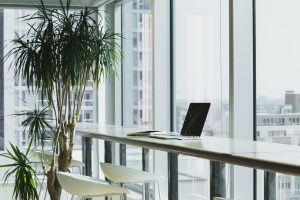
Designing a clean, forward-thinking office for 2026 means moving beyond stark minimalism toward a more cleanly integrated, wellness-focused and highly flexible environment. The goal is to make the space feel tailored, not sterile.
Workplace productivity and employee experience are increasingly shaped by design decisions, so it pays to rethink the office from the ground up.
1. Biophilic Integration and Natural Materials
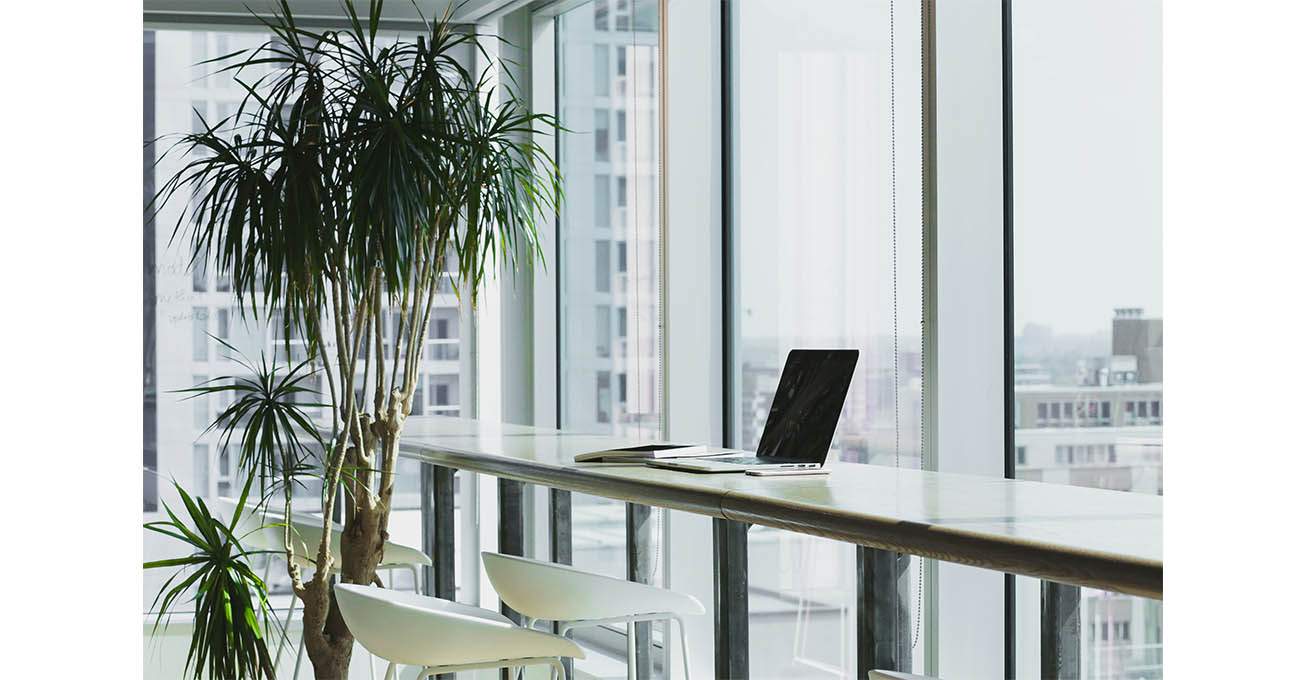
The clean look for 2026 emphasises wellness by connecting occupants to the natural world. Incorporating vertical gardens, living moss walls and large potted plants helps purify the air and add organic texture, turning what might otherwise feel like a cold corporate shell into a space with warmth and life. Moreover, raw, untreated materials such as light wood, exposed concrete and natural stone finishes for flooring and partitions naturally calm the environment and introduce a tactile richness to minimalist interiors. s
2. Seamless, Architectural Lighting Integration
When it comes to lighting, the cleanest aesthetic is achieved when the light source itself disappears, leaving only flawless, continuous illumination. By embracing tramless and fully recessed lighting systems, designers can employ sleek LED profiles that are plastered directly into ceilings and walls, creating unbroken lines of light that become architectural features in themselves. With bulky fixtures removed, the ceiling plane feels modern and expansive, reinforcing the uncluttered spatial experience.
3. Softened Acoustics with Textured Panelling
Noise pollution is one of the stealth saboteurs of a clean, productive office. Move away from smooth drywall by installing decorative acoustic panelling made from felt, timber slats or recycled PET material. These panels serve a dual purpose: they add depth and tactile interest while actively dampening ambient noise in open-plan zones. In fact, acoustic wall panels, ceiling rafts and recycled materials can work as key elements in creating calming work environments.
4. Modular Zoning and Flexible Furnishings
The modern office must adapt instantly to different tasks (focus work, meetings, collaboration) demanding highly flexible, yet visually clean, furniture. Investing in modular seating units, lightweight mobile whiteboards on wheels and height-adjustable desks means the space can morph seamlessly from one mode to another. When not in use, furniture should stack or tuck away neatly to restore the room to its clean, open configuration. This fluidity keeps the design fresh, functional and aligned with hybrid working realities.
5. Calm, Earth-Toned Colour Palettes
Finally, stark white and corporate grey are being replaced by grounding, comforting colour palettes that promote relaxation and focus. Designers are turning to muted greens (sage, olive), warm terracotta and deep blues paired with soft neutrals like ivory or oatmeal. High-contrast colours are reserved only for defined focus zones or collaborative hubs, keeping the majority of the workspace visually restful.
Final Thoughts
As businesses start to plan their 2026 office refreshes, these five design moves combine to deliver a clean aesthetic that does more than look good, it feels good, supports well-being and adapts to the evolving nature of work. By integrating nature, light, sound, flexibility and colour, the next-generation office will be anything but sterile.