
 There are certain objects that earn their place through sheer versatility, things that solve so many different problems so simply and reliably that once you have a good supply of them you start to wonder how you managed without.
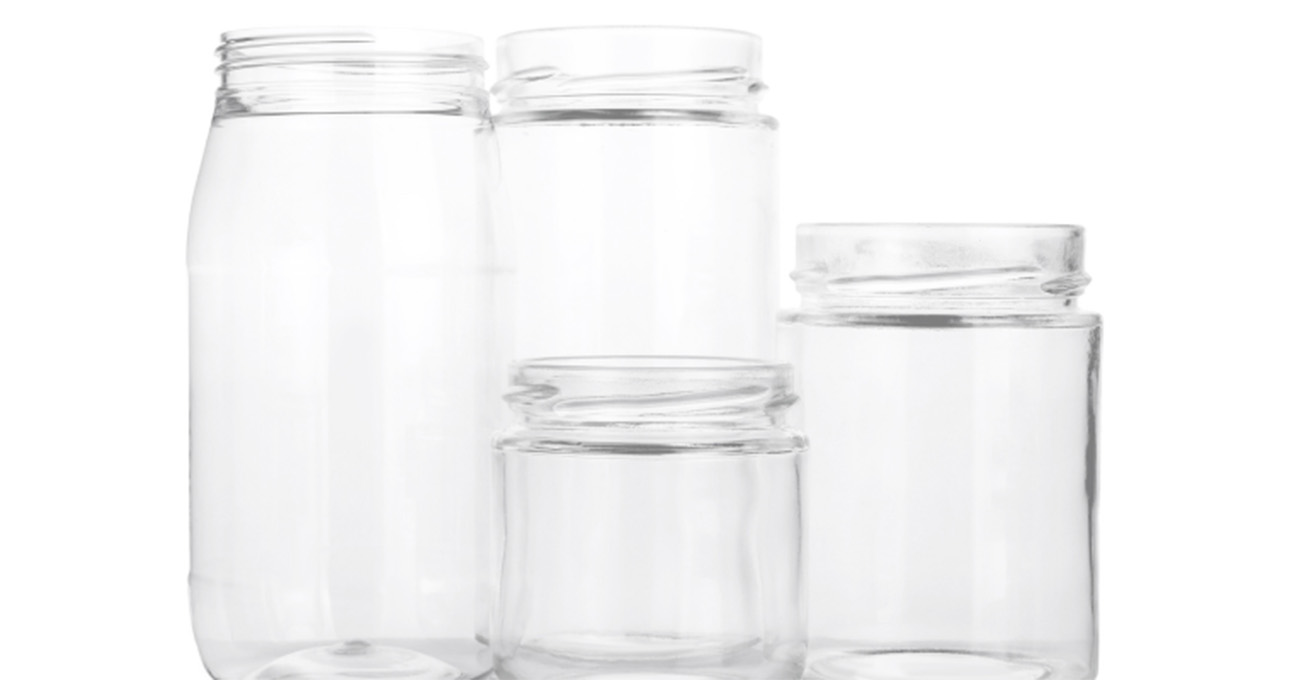
Plain glass jars sit firmly in that category. They’re not a trend or a novelty. They’ve been a fixture in kitchens, workshops, studios, and small businesses for generations, and the reasons for that longevity are straightforward: they work, they last, and they do an enormous number of jobs without requiring anything beyond themselves. In an era when so much packaging is disposable by design and mediocre by default, there’s something quietly satisfying about a material that is genuinely reusable, genuinely attractive, and genuinely practical all at once.
At home, the uses are almost too numerous to list comprehensively. The most obvious is preserving, and glass remains the material of choice for jams, chutneys, pickles, and fermented foods for good reason. It doesn’t interact with the contents, doesn’t absorb smells or stains, and allows you to see exactly what’s inside and how it’s developing. For anyone who makes preserves regularly, having a good stock of a jar plain in a consistent size and style makes the whole process considerably more streamlined, and the results look considerably more appealing on a shelf or as a gift than anything produced in mismatched containers. Beyond preserving, glass jars come into their own for dry goods storage, keeping everything from grains and pulses to coffee and tea fresher for longer while creating a kitchen that looks organised rather than cluttered.
For craft enthusiasts and hobbyists, the applications extend in a different direction entirely. Candle making, bath salts, homemade beauty products, seed storage, paint and brush organisation, the list of things that a plain glass jar handles elegantly is long. The neutrality of plain glass is part of its appeal here. It doesn’t compete with the contents or impose a particular aesthetic, which means it works equally well in a rustic farmhouse kitchen and a clean, modern studio space. It adapts to its environment rather than defining it, which is a quality that more considered and expensive containers often fail to match.
For small businesses, the case for plain glass jars is if anything even stronger. Food producers, artisan makers, gift businesses, and anyone creating products for retail or market sale benefit from packaging that communicates quality without adding unnecessary cost. A plain glass jar with a well-designed label presents a product honestly and attractively, and the clarity of the glass allows the product itself to do much of the selling. Customers can see what they’re buying, which builds trust in a way that opaque packaging rarely can. For businesses selling at farmers markets, craft fairs, or through independent retailers, the combination of practicality, visual appeal, and competitive cost makes glass jars a genuinely sensible choice that doesn’t require much deliberation.
There’s also something to be said for the environmental dimension, which matters increasingly to both producers and consumers. Glass is infinitely recyclable, doesn’t degrade in quality through the recycling process, and has a reuse life that plastic packaging simply cannot match. Customers who receive products in plain glass jars frequently keep and repurpose them, which extends the useful life of the packaging well beyond the original product and creates a positive association with the brand that made the choice to use it.
Whether you’re stocking up for a season of home preserving, building an inventory for a small food business, or simply looking for a storage solution that looks good and lasts indefinitely, plain glass jars are one of those purchases that consistently deliver more value than their modest cost would suggest. They’re the kind of thing that experienced home cooks and small business owners tend to buy in quantity once they’ve understood their usefulness, and that rarely sit unused for long once they’re in the house or the workshop.