

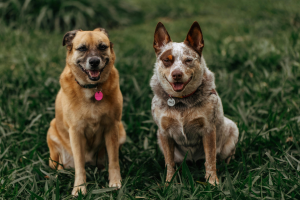
 Getting a dog is one of those decisions that tends to arrive with a lot of optimism and, quickly, a lot of questions. The puppy that seemed manageable in the first few days develops opinions, habits, and an energy level that can feel overwhelming if you’re not sure how to respond to it.
Even dogs adopted at an older age come with their own established patterns of behaviour, some charming, some less so, and working out how to build a relationship with an animal that doesn’t share your language requires more than good intentions and a bag of treats. This is the point at which dog training classes Hampshire stop being something you vaguely intend to investigate and start being something that genuinely needs to happen, and the sooner the better.
The case for professional training classes rather than going it alone is straightforward. The internet is full of advice about dog training, and much of it is contradictory, oversimplified, or based on approaches that have been superseded by a much better understanding of how dogs learn and what motivates them. A qualified, experienced trainer brings consistency, clarity, and the kind of real-time observation that allows them to spot exactly where a handler is inadvertently reinforcing the behaviour they’re trying to change. That feedback in the moment is something that no video or article can replicate, and it tends to accelerate progress in a way that self-directed training rarely manages. What takes months of frustrated solo effort can often be resolved in a few well-structured sessions with the right guidance.
There’s also the socialisation dimension, which is particularly important for puppies but remains relevant throughout a dog’s life. Classes provide a controlled environment in which dogs learn to focus on their handler despite the presence of other dogs, other people, and the general stimulation of an unfamiliar setting. That ability to remain responsive and calm in busy or distracting environments is one of the most practically useful things a dog can learn, and it’s something that can only really be developed through repeated positive exposure to exactly those kinds of situations. A dog that has been through good training classes is a different animal to walk in a busy park or take to a pub garden, and that difference is felt every single day.
Hampshire is well served for dog training provision, with options ranging from puppy foundation classes through to more advanced work for dogs whose owners want to develop their skills beyond the basics. The county’s mix of urban areas, market towns, and rural landscape means that trainers in the area tend to have experience with a wide variety of breeds, temperaments, and the specific challenges that different environments present. Finding a class that suits both the dog and the owner, in terms of location, teaching style, and the approach taken to training, is worth a little research, and the results of getting that fit right are felt quickly.
It’s also worth saying something about what good training does for the relationship between a dog and its owner, because this tends to be underemphasised relative to the behavioural outcomes. Training isn’t just about producing a dog that sits on command or walks without pulling. It’s about developing a genuine channel of communication between two species that must figure out how to live together well. Dogs that have been trained thoughtfully are more confident, more settled, and more able to navigate the world without the anxiety that comes from not understanding what’s expected of them. Owners who have been through good training classes tend to feel more competent, more relaxed, and more able to enjoy their dog rather than managing it. That shift in the quality of the relationship is, for most people, the most valuable outcome of all.