
- 51% of HRs feel their leaders may not spot toxic traits in the workplace.
- 78% of workers report experiencing toxic traits in their current workplace.
- Over a third of workers declare using sick leave to avoid toxic workplaces.
Workplace culture is now front and centre for many UK employees. But an increasing number of employees are reporting toxic work environments and a growing number of company HRs feel business leaders aren’t spotting what makes for a hostile work environment.
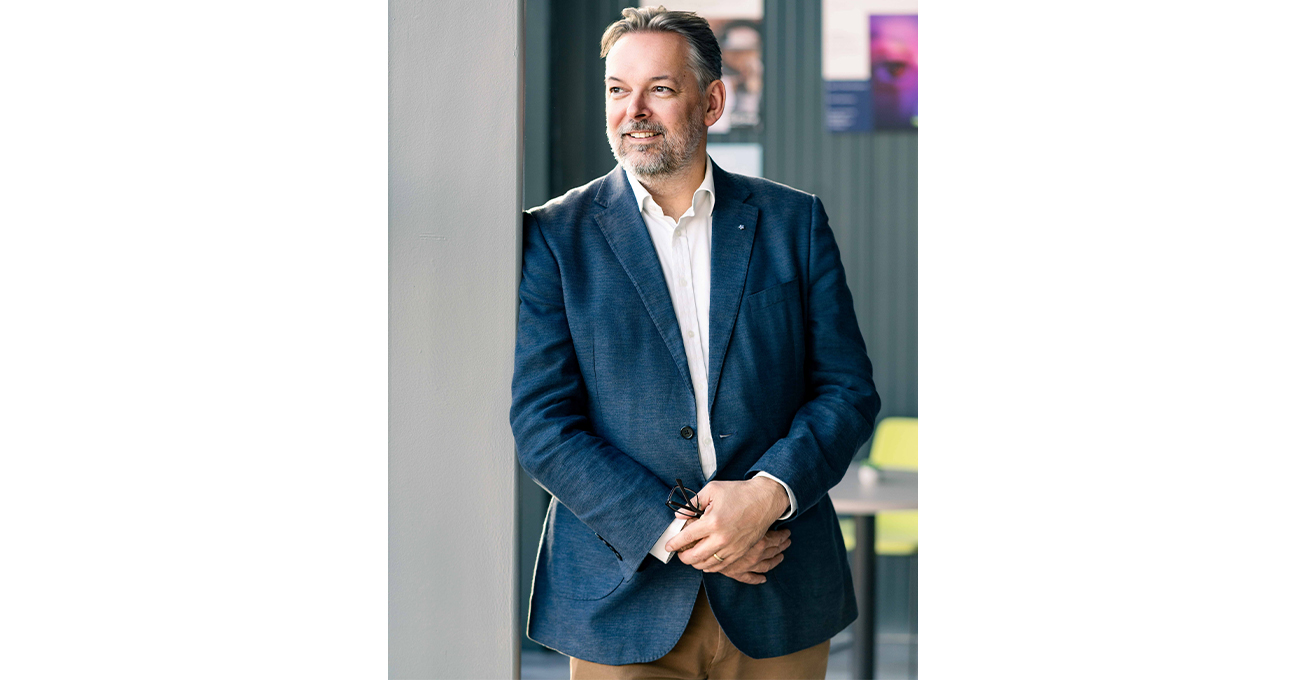
Owen Morgan, Managing Director of INTOO UK & Ireland, outlines the growing crisis in workplace toxicity and what businesses must do to tackle it before more talent walks out the door.
Of the 1,000 people surveyed between the ages of 18 and 65 in INTOO’s latest Future World of Work report, over three-quarters of workers (78%) say they have experienced a toxic culture in their current workplace. The survey canvased HR professionals and those in the public, private and not for profit sectors.
While no organisation sets out to be toxic, Owen warns that the presence of damaging behaviours and disconnection between leaders and staff is alarmingly widespread. “Our data shows that toxicity in the workplace is a systemic problem that’s driving down engagement, performance and wellbeing across the board,” he said. “The word ‘toxic’ feels like a buzzword nowadays, but toxic workplaces have always existed, it’s just never really been talked about on the scale it is being now.”
INTOO also revealed that toxic traits can include, but are not limited to, managers showing favouritism, office politics, gossip and rumours, managers ignoring employee feedback, managers ignoring work-life balance while overworking staff, unfair treatment of employees and aggressive behaviour.
Those behaviours in the workplace are taking a measurable toll on employees. A massive 81% of respondents who experienced toxic traits said it directly impacted their engagement at work, with a further 78% saying it affected their productivity. More worryingly, 81% cited negative effects on their mental health and 67% said it had harmed their physical health too. Such is the extent of some people’s disillusionment with work due to the hostile environment, 33% of people report faking being sick to avoid their workplace.
The level of dissatisfaction is causing major issues for organisations trying to retain talent and maintain productivity. INTOO’s findings point to a disconnect between the top-down strategies designed by HR and what employees actually experience on the ground. In fact, 51% of HR professionals admit that senior leaders may not even recognise toxic traits when they arise within their organisation.
Owen believes that the burden being placed on line managers is also a major factor in the issue. “Line managers are increasingly caught in the middle. They’re expected to deliver performance, navigate change, and manage up and down effectively, all without the necessary support or training. It’s no surprise that cracks are starting to show.”
But INTOO’s research also sheds light on what a healthy, non-toxic culture looks like. Employees in workplaces with strong two-way communication, transparent decision-making, career development opportunities, and fair performance management are far less likely to describe their environment as toxic. Trust, both in leadership and between colleagues, is also a key element in shifting culture for the better.
While the data paints a worrying picture, it also provides a roadmap for change. Businesses that listen to their people, invest in leadership development, and ensure everyone is held to the same standard can begin to rebuild trust and improve morale.
For Owen, a cultural reset imperative if businesses are to retain and maintain a healthy workforce and workplace environment. “Organisations that ignore toxicity do so at their peril. Employees now expect more, and the companies that respond to this challenge will be the ones that thrive in the years ahead.”
Part of Gi Group Holding, one the world’s largest and fastest growing HR and recruitment providers, INTOO helps people move forward confidently after redundancy or dismissal, with tailored support and expert guidance.