Homeowners are becoming increasingly guilty of generating needless waste from their properties. When most individuals think about waste, the instinct is to imagine lots of rubbish in a black bin bag. While this is definitely a type of waste that needs to be reduced, you often forget about other waste in your home. Both water and energy are regularly wasted by homeowners, meaning they combine with rubbish waste to have a negative impact on the environment.
Consequently, property owners should strive to cut down on waste as much as possible. It doesn’t require a massive overhaul in how you live your life or manage your property. Realistically, great things can be achieved by adopting these three ideas:

Turn items off
Admittedly, this is a very straightforward piece of advice. However, it’s something that most homeowners seem to forget. You only need to look inside your home to spot instances where you have simply left items turned on for no reason. Lights are on during the day or when nobody is in a room, the TV is left on despite nobody watching it, and so on. Even leaving the heating on can be a waste of energy at times! If you start turning things off, you’ll cut down on energy wastage at home.
Detect leaks
It will surprise you how many minor leaks are present in the plumbing system throughout your home. A common error is assuming that a leak means you have water everywhere and puddles all over your home. In reality, leaks can be subtler than this, slowly wasting water every day. The toilet is a major culprit of this, leaking water with every flush. So, getting your hands on leak detection tablets can help you identify if and where any water is being wasted. It would also be beneficial to get a plumber in to conduct a full survey of your plumbing system. If you do this once per year, you should be able to detect and prevent leaks, avoiding so much water waste.
Recycle or reuse
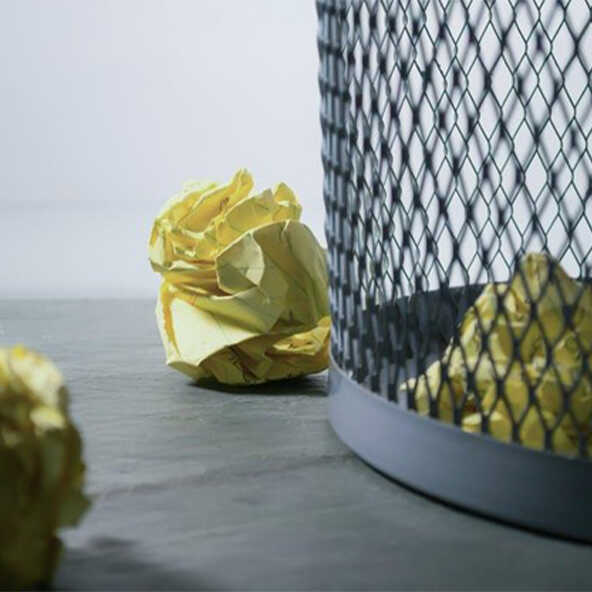
Finally, addressing the issue of rubbish waste, the simple solutions are to either recycle or reuse. Always check packaging labels to see if they can be recycled or not. If possible, try to find ways of reusing things around your home. For instance, if you get plastic containers from a takeaway restaurant, clean them and use them for food storage. Plastic bottles can often be repurposed as plant pots – there are so many other waste products that you can reuse around the home! Also, reducing rubbish waste begins with smart decisions when purchasing products. Try to buy things that come in recyclable packaging, minimising the waste in your black bin bags. There will be things you simply can’t recycle or reuse, but that’s okay! The idea is to reduce the number of things falling into this category
Cutting down on household waste – all three types of it – is much easier than most people think. If every homeowner made these three changes to their life, the environment wouldn’t be as heavily hit by carbon emissions as it currently is.