
 Resolving disputes in international trade.
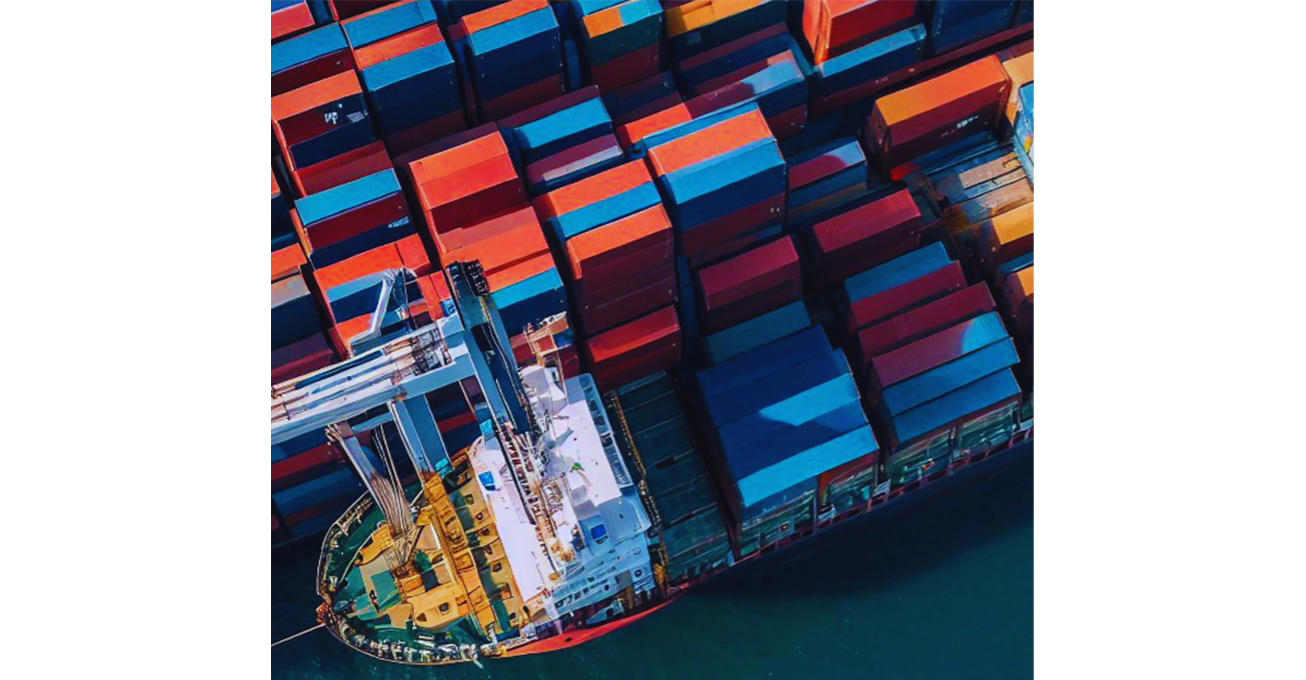
The maritime sector is one of the most important components of the global economy. Every day, vast quantities of goods are transported across oceans, connecting manufacturers, suppliers and consumers in countries around the world. Shipping plays a critical role in international trade, supporting industries ranging from energy and agriculture to retail and construction.
With such a large volume of transactions taking place across multiple jurisdictions, disputes are an inevitable part of the industry. Issues relating to contracts, cargo, charter parties, vessel performance and freight payments can arise for a variety of reasons. When disagreements occur, businesses often seek efficient methods of resolution that avoid lengthy court proceedings.
This has contributed to the growing importance of the commercial maritime arbitrator, whose expertise helps parties resolve complex shipping disputes through structured arbitration processes.
Understanding Maritime Arbitration
Maritime arbitration is a form of alternative dispute resolution specifically designed to address issues arising within the shipping and maritime industries. Rather than taking a dispute through traditional court systems, parties agree to have their case heard and decided by an independent arbitrator or panel of arbitrators.
The process offers a private and often more flexible alternative to litigation. Because shipping contracts frequently involve parties from different countries, arbitration provides a practical solution that can operate across international borders.
Maritime arbitration has become widely recognised as a preferred method of resolving disputes due to its efficiency, confidentiality and specialist focus.
Businesses involved in global trade often include arbitration clauses within contracts to establish a clear framework for handling disagreements should they arise.
The Role of a Maritime Arbitrator
A commercial maritime arbitrator is responsible for reviewing evidence, hearing arguments and delivering an impartial decision based on the facts of the case and relevant contractual terms.
Unlike general courts, arbitration allows parties to appoint individuals who possess specific expertise in maritime law, shipping operations and international trade practices. This specialist knowledge can be particularly valuable when dealing with highly technical disputes.
Arbitrators are expected to remain neutral throughout proceedings, ensuring that all parties receive a fair opportunity to present their case.
Their decisions, often referred to as awards, can be legally binding and enforceable in many jurisdictions, providing certainty and finality for those involved.
Common Types of Maritime Disputes
The maritime industry encompasses a wide range of commercial activities, creating numerous situations where disputes may arise.
Charter party disagreements are among the most common issues. These disputes may involve vessel availability, performance, delays or payment obligations between shipowners and charterers.
Cargo claims also frequently require arbitration. Damage to goods, loss of cargo or disagreements regarding responsibility during transportation can lead to complex legal and commercial challenges.
Other disputes may involve shipbuilding contracts, vessel sales, marine insurance policies or freight agreements.
Because maritime transactions often involve significant financial values, efficient dispute resolution is essential for protecting business interests.
Advantages of Arbitration
One of the primary reasons businesses choose arbitration is its flexibility. Parties can often agree on procedures, schedules and locations that suit their specific circumstances.
Confidentiality is another major advantage. Unlike many court proceedings, arbitration hearings are generally private, allowing businesses to protect commercially sensitive information.
The ability to select arbitrators with relevant industry expertise can also improve the quality of decision making. Maritime disputes frequently involve technical issues that may be difficult for non-specialists to assess accurately.
In addition, arbitration can often provide a faster route to resolution compared with traditional litigation, helping businesses minimise disruption and uncertainty.
These benefits have contributed to the widespread adoption of arbitration throughout the maritime sector.
Supporting International Commerce
Global trade depends on predictability and trust. Businesses need confidence that disputes can be resolved fairly and efficiently if problems occur during commercial transactions.
Maritime arbitration helps support this confidence by providing a recognised framework for resolving disagreements across different legal systems and jurisdictions.
International conventions and arbitration agreements have strengthened the enforceability of arbitral awards, making arbitration an attractive option for companies operating on a global scale.
As shipping networks continue to connect markets worldwide, reliable dispute resolution mechanisms remain essential for maintaining smooth commercial relationships.
The work of maritime arbitrators therefore plays a significant role in supporting international commerce and economic stability.
The Importance of Expertise
Maritime disputes often involve highly specialised contractual arrangements, technical terminology and operational considerations. This complexity makes expertise particularly valuable during arbitration proceedings.
Experienced arbitrators understand the practical realities of shipping operations as well as the legal principles that govern commercial transactions.
Their ability to evaluate evidence within the context of industry practices helps ensure informed and balanced decisions.
This specialist knowledge can also contribute to greater confidence among parties, who may feel reassured that their dispute is being considered by someone familiar with the challenges of the maritime sector.
Evolving Challenges in the Industry
The maritime industry continues to evolve in response to technological advances, environmental regulations and changing global trade patterns.
Digital documentation, automated systems and sustainability requirements are introducing new considerations for shipping companies and commercial contracts.
As these developments create new opportunities and challenges, the nature of maritime disputes may also change. Arbitration processes and industry professionals must adapt to address emerging issues effectively.
This ongoing evolution highlights the importance of maintaining specialist expertise within the field of maritime dispute resolution.
Looking Ahead
International shipping will remain a cornerstone of global trade for the foreseeable future. As commercial activity continues to expand across borders, the need for efficient and reliable dispute resolution mechanisms will remain strong.
Maritime arbitration provides businesses with a practical and respected method of addressing disagreements while avoiding many of the complexities associated with cross border litigation.
The expertise of a commercial maritime arbitrator will continue to play a crucial role in supporting fairness, efficiency and stability within the global shipping industry.
For businesses engaged in international trade, access to specialist arbitration services offers valuable protection and confidence in an increasingly interconnected world.