 Scrap metal plays a crucial role in industries across the globe, offering an environmentally friendly and cost-effective solution for managing waste and sourcing materials.
Recycling metal not only reduces the need for mining new raw materials but also provides industries with a sustainable way to reuse and refurbish items.
From construction to automotive and manufacturing, scrap metal is a valuable resource that can be repurposed in numerous ways. In this article, we will explore the benefits of scrap metal across different industries and how tools like scrap shears, slotted drains, and services such as alloy wheel refurbishment in Farnborough contribute to this essential recycling process.
Why Scrap Metal Is Important in Various Industries
Scrap metal recycling has become an integral part of many industries due to its numerous environmental and economic advantages. By recycling metals, businesses can cut down on production costs, conserve natural resources, and reduce their environmental footprint. In industries such as construction, automotive, and manufacturing, scrap metal serves as a raw material that can be reused, transformed, and reintroduced into the production cycle.
The benefits of scrap metal go beyond just cost savings. It promotes sustainability by reducing the demand for virgin materials, decreasing energy consumption during production, and preventing metals from ending up in landfills. Additionally, recycling metals like steel, aluminium, and copper requires significantly less energy compared to extracting and processing new materials, making it an environmentally responsible choice.
Improving Efficiency in Metal Recycling with Scrap Shears
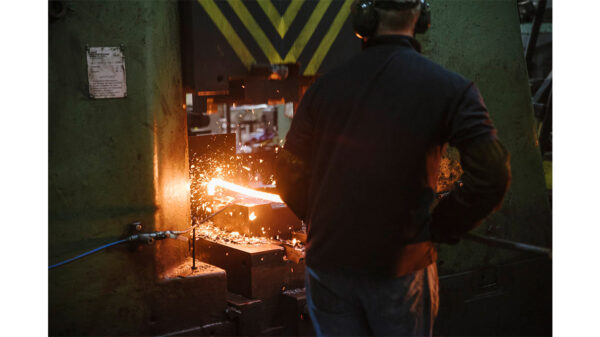
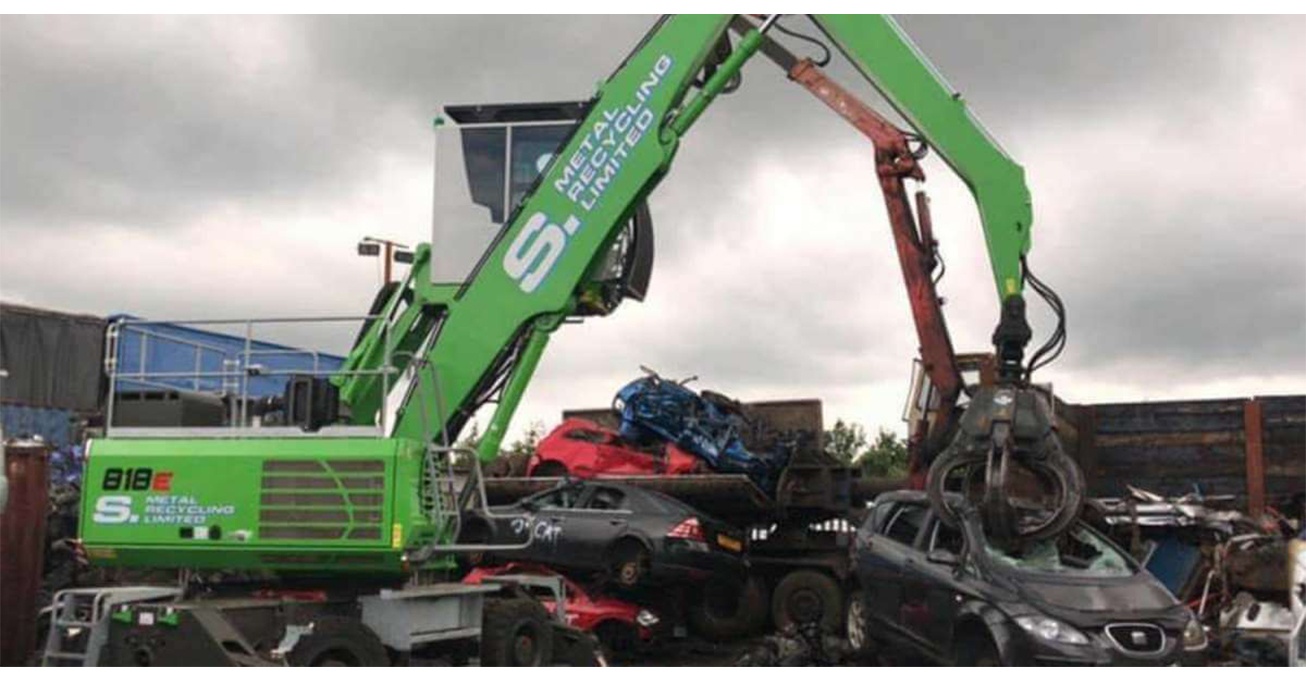
One of the essential tools used in metal recycling is the scrap shear which is designed to cut and process large volumes of scrap metal. Scrap shears are heavy-duty machines that allow industries to quickly and efficiently reduce large metal items—such as beams, pipes, and cars—into smaller, more manageable pieces that can be transported and recycled more easily.
The use of scrap shears increases productivity by speeding up the recycling process, helping industries maximise their metal recovery rates. In metalworking and demolition industries, these machines are indispensable, as they make it easier to sort, cut, and prepare scrap metal for resale or reuse. By processing scrap metal on-site, companies can save on transportation costs and reduce the environmental impact of moving bulky materials.
Scrap shears also contribute to worker safety by allowing the safe handling and processing of heavy metal items, reducing the risk of accidents during the recycling process. The ability to shear metal efficiently means less manual handling, which helps maintain a safer working environment in industries where large-scale metal recycling is a core activity.
Construction Industry: Slotted Drains and Scrap Metal Use
In the construction industry, scrap metal is used in various ways, from recycling steel beams to repurposing metal pipes. One specific area where scrap metal plays an important role is in drainage systems. Slotted drains, for example, are often made from recycled metal and are essential for managing water runoff in large construction projects, roadways, and industrial facilities.
Slotted drains are designed to allow water to flow through slots in the surface, which is then carried away by an underground drainage system. These drains are vital in preventing flooding and maintaining proper water management in areas with heavy rainfall or high traffic. Using recycled scrap metal to produce slotted drains helps the construction industry reduce its environmental impact by minimising the need for new raw materials and conserving natural resources.
By incorporating recycled metal into the production of a slotted drain and other construction materials, companies can reduce waste, improve sustainability, and contribute to the circular economy. This approach not only helps businesses lower their carbon footprint but also results in cost savings, as scrap metal is often less expensive than newly mined metal.
Automotive Industry: Alloy Wheel Refurbishment in Farnborough
In the automotive industry, scrap metal plays a significant role in the repair and refurbishment of vehicle components. One popular service that utilises recycled metal is alloy wheel refurbishment particularly in locations like Farnborough, where demand for automotive services is high. Alloy wheel refurbishment involves restoring damaged or worn alloy wheels to their original condition, often using recycled materials in the process.
Alloy wheels are a valuable part of any vehicle, but they can become scuffed, scratched, or bent over time due to road wear, curbing, or accidents. Rather than replacing the entire wheel with a brand-new one, alloy wheel refurbishment allows car owners to repair and restore their wheels at a fraction of the cost. This service is not only more affordable but also eco-friendly, as it reduces the need for manufacturing new wheels, which would require fresh materials and significant energy input.
In Farnborough and beyond, alloy wheel refurbishment services help reduce the waste associated with the automotive industry by giving wheels a second life. Reusing and refurbishing wheels reduces the demand for new materials, cuts down on the energy required for production, and prevents old wheels from ending up in landfills. By incorporating recycled metal into the refurbishment process, businesses can further lower their environmental impact while providing high-quality, cost-effective solutions to their customers.
The Long-Term Benefits of Scrap Metal Recycling
The recycling of scrap metal has long-term benefits that extend across industries. By embracing scrap metal recycling, companies can lower production costs, conserve natural resources, and reduce their carbon footprint. Industries like construction, automotive, and manufacturing rely heavily on metal, and recycling helps meet their material needs in a more sustainable and responsible way.
- Cost Savings: Using scrap metal is often cheaper than sourcing new metal. By recycling and reusing metal, industries can cut costs while still producing high-quality products and maintaining operational efficiency.
- Sustainability: Recycling scrap metal conserves natural resources, reduces the need for mining, and decreases energy consumption. This makes it an essential practice for businesses looking to operate more sustainably and reduce their environmental impact.
- Waste Reduction: Scrap metal recycling helps reduce the amount of waste sent to landfills. In industries like automotive and construction, where metal waste can accumulate quickly, recycling ensures that valuable materials are repurposed rather than discarded.
- Energy Efficiency: Producing metal from scrap requires less energy compared to mining and processing new materials. This energy efficiency translates to lower greenhouse gas emissions, contributing to a greener, more sustainable economy.