
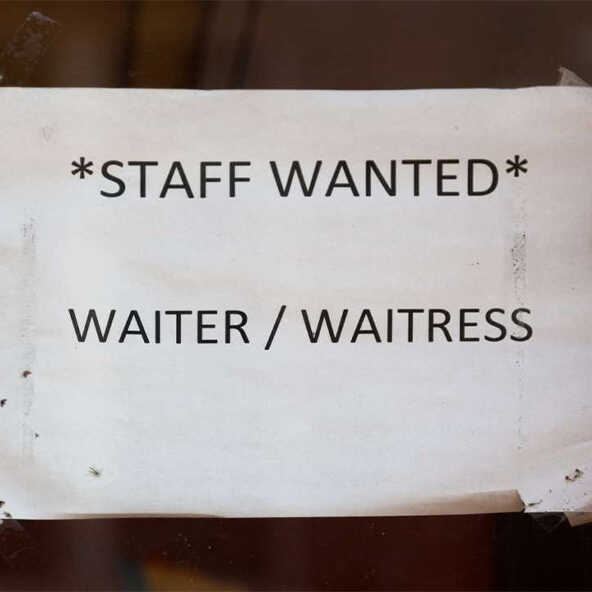
 After a dramatic pause during the pandemic, the hospitality sector has regained ground, with average profit margins now at 41%, compared with 39% pre-covid.
However, hiring and retaining staff has been one of the biggest obstacles to keep this growth in the long term.
The UK is facing what some recruiters call the worst staff crisis in years. Research conducted by Barclays Corporate Banking revealed that 94% of hospitality and leisure businesses are struggling to recruit personnel, with particularly acute shortages in the East Midlands and East of England.
To put that in numbers, 20% of the businesses in the sector are finding it hard to place cleaning staff; 26% of hotels are struggling to recruit front-of-house personnel. The reasons? Brexit, working conditions and low pay.
But the crisis is not exclusive to the UK. Staff shortages in hospitality are particularly pressing in Spain and Portugal, where tourism accounted for 13% and 15% of economic output respectively before the pandemic. In Germany, there was a significant fall in numbers of new chefs (20%), hotel clerks (31%), and tourism clerks (61%).
To shift this scene, recruiters are now trying to improve their job offerings. According to the Morning Advertiser, 79% of operators have increased pay rates for staff to improve recruitment and retention. The result is widespread pay rises, with the biggest winners so far this year including delivery drivers (7.5% average increase), housekeeping staff (7.4%) and bar staff (7.3%).
According to the report, pay rises are not the only solution businesses are relying on. Companies are also investing in staff welfare initiatives, introducing bonuses, and even embracing flexible working, – an unprecedented perk in the hospitality industry.
One of the reasons for that is the rise in the Gig Economy in the past few years. A study from the Chartered Institute of Personnel and Development found that 92% of young people want flexible working as a way to have a better work-life balance and look after their mental health. Whilst it can be a great opportunity to solve the staffing issue in the Hospitality sector, there are still concerns around the Gig Economy when it comes to ensuring fair pay, employee rights, pension contributions, etc.
Luckily, a few startups are taking the lead to change the sector for good. A company called GIG, for example, has always worked around these standards, from ensuring workers have all the necessary documentation to work in the UK, to providing their pension contributions and holiday pay as any permanent employee would expect. They ensure all workers receive over minimum wage – something often missed in the wider Gig Economy – and push their clients to offer over and above this. Through a simple app, GIG provides organisations with staff who are qualified to do the job, and offers the right training to those who aren’t.
This way, GIG onboarded 5,083 new workers into employment in 2022 up from 3,995 in 2021, and had over 19,634 applications up 45% from 2021. GIG’s simple and reliable staff recruitment process attracted around 329 sales enquiries up 34% from 2021.
GIG wants to create a comfortable and safe space where people choose gig work, so they are happy to offer work on a flexible, part-time basis, as well as full time, and ongoing work, with no pressure to work every week too, allowing candidates to work hours based on their need and circumstances with no minimum term. They offer this flexibility to their clients too, with the ability to flex numbers up and down daily, and post shifts at different pay rates or shift lengths, meaning organisations can find what works for them.
Visit gigtogig.co.uk or download the app on iOS or Android