The shift to hybrid working has significantly transformed how we think about office spaces.
Gone are the days when a simple desk and chair sufficed for employees. Now, the focus is on creating a flexible, collaborative environment that supports both remote and in-office work. With these changes, businesses must carefully consider how to redesign their workspaces to meet the needs of a hybrid workforce. Redesigning your workspace for the hybrid era is not just about aesthetics; it’s about functionality, employee well-being, and productivity.
Furniture and Ergonomics
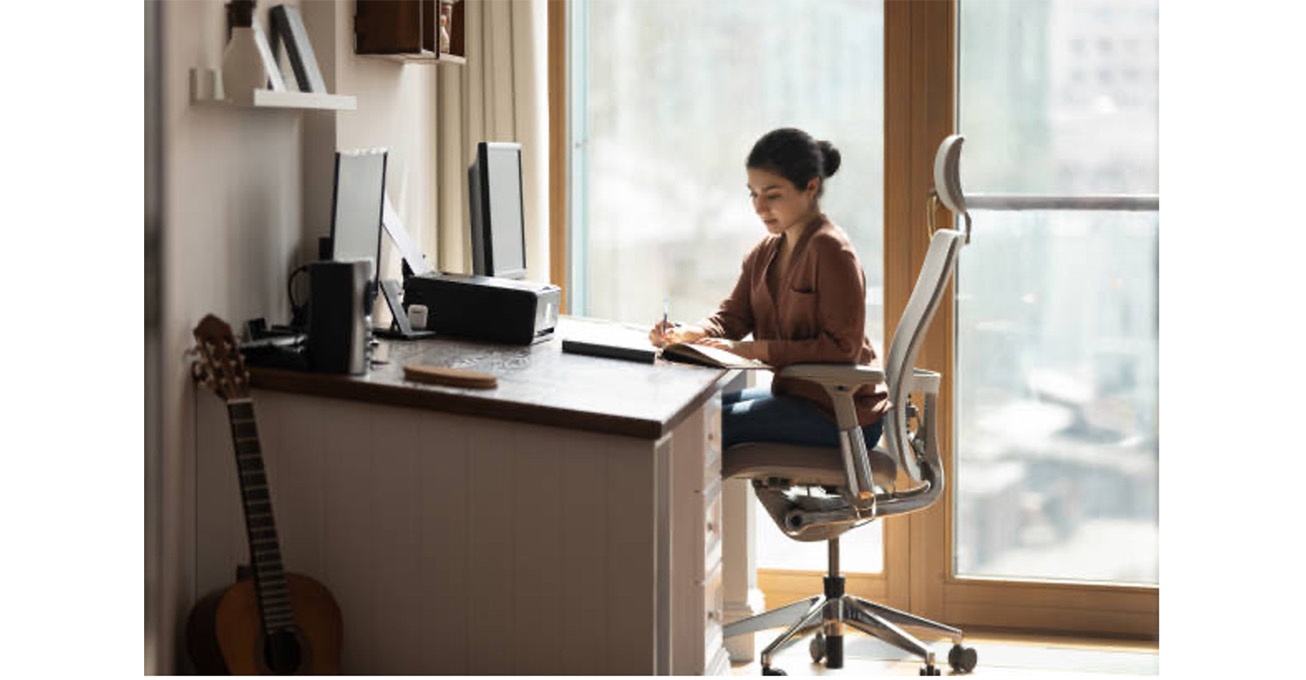
When planning your hybrid workspace, furniture is one of the first things to consider. Ergonomic chairs and desks are essential to promote comfort and productivity, whether employees are working from the office or home. Investing in adjustable chairs, sit-stand desks, and modular furniture that can be easily rearranged will allow you to create a flexible environment that adapts to the needs of your team.
Your budget should account for the quality of the furniture you choose. While it may be tempting to opt for cheaper options, remember that well-made furniture can prevent common workplace injuries, such as back pain, and reduce the need for frequent replacements.

Technology and Connectivity
The backbone of a hybrid workspace is technology. Reliable, high-speed internet is a must, as it enables seamless communication between in-office and remote workers. Your budget should include upgrades to your IT infrastructure, such as routers and Wi-Fi extenders, to ensure connectivity throughout the office.
It’s also essential to provide employees with the tools they need to work effectively from any location. This might include laptops, noise-cancelling headphones, and other portable devices that can be used both in the office and remotely. Don’t forget about software subscriptions for collaboration tools like project management platforms and cloud storage services, which are crucial for maintaining productivity in a hybrid setup.
Office Layout and Design
A well-thought-out office layout can significantly impact the efficiency of your hybrid workspace. Open-plan areas, breakout spaces, and private rooms should all be part of your design to accommodate different working styles. The cost of redesigning your office layout should be factored into your budget, especially if you plan to hire professionals to help with the design process.
When considering office fit out costs, remember to account for the potential need to move walls, install new flooring, or upgrade lighting to create a more conducive environment. This could also include adding acoustic panels to reduce noise levels in open areas, ensuring that both collaborative and focused work can occur without disruptions.
Well-being and Breakout Spaces
Employee well-being is more important than ever, and your hybrid workspace should reflect that. Budgeting for well-being initiatives can include creating breakout spaces where employees can relax, recharge, or collaborate informally. These spaces might feature comfortable seating, greenery, and natural light to create a calming atmosphere that promotes mental health.
You might also consider wellness rooms for activities such as meditation or stretching, or even a small gym area. These features can make your workspace more attractive to current and prospective employees, showing that you prioritise their health and well-being. Investing in these areas can lead to improved morale, lower absenteeism, and higher productivity.
Summary
Redesigning your workspace for the hybrid era involves careful planning and budgeting across several areas. From ergonomic furniture to the latest technology, a thoughtful approach ensures that your space meets the needs of a modern workforce. A well-designed hybrid office can foster collaboration, innovation, and a sense of community, making it a key asset for any forward-thinking business.