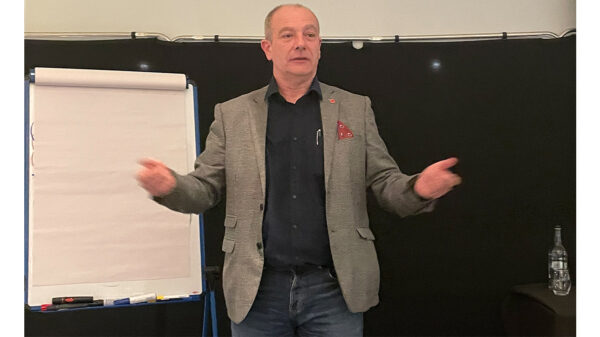
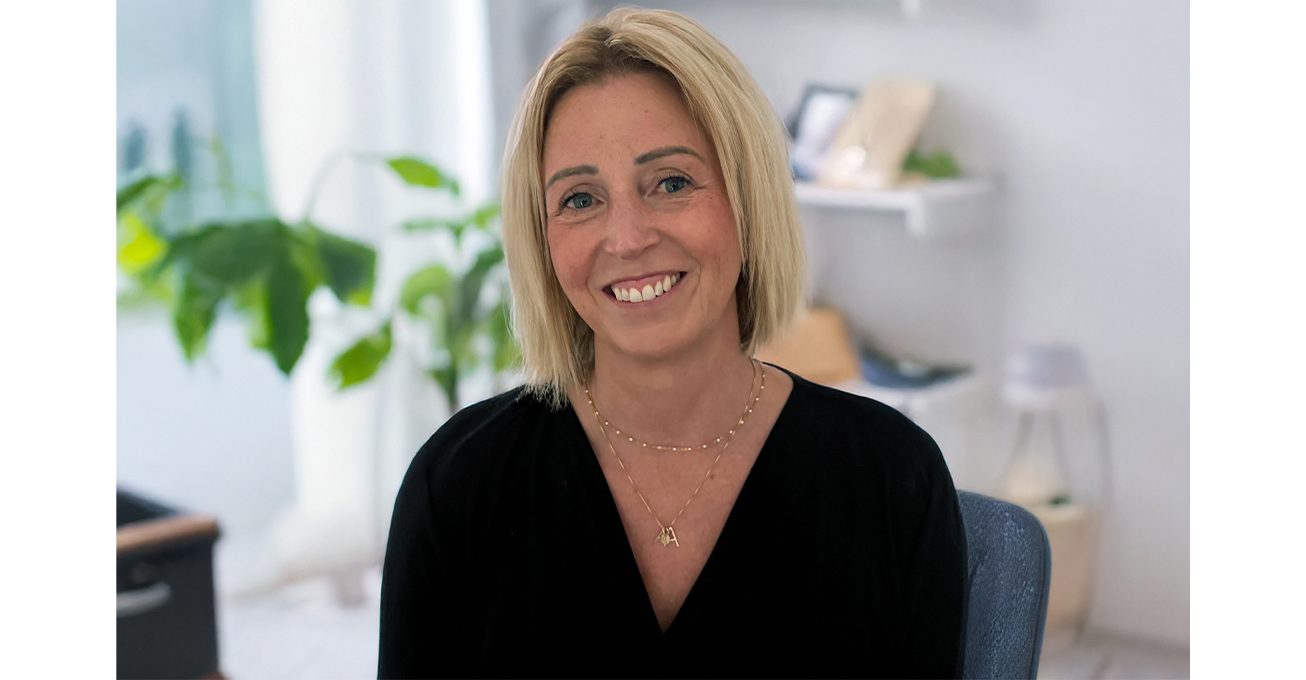

Digital health and wellbeing platform Raiys has appointed mental health and ADHD specialist Anna Srireddy as its clinical lead for neurodiversity, a role created as the company expands its range of services.
Glasgow-based Anna has more than 20 years’ experience spanning mental health nursing, ADHD assessment and treatment, clinical governance, non-medical prescribing and multidisciplinary leadership positions across England and Scotland.
Her appointment at Raiys follows the recent launch of its neurodiversity programme, which aims to bridge gaps in overstretched services that leave neurodivergent people facing long waits for nationalassessment and care.
The programme provides screening tools, behavioural support resources, lived experience content and structured wellbeing pathways to assist individuals, families, employers and healthcare providers.
Working alongside medical director Dr Laura Coia, consultant clinical psychologist Dr Matt Wild and other members of Raiys’ independent health advisory board, Anna will lead the development of the company’s healthcare-led neurodiversity strategy.
This includes the introduction of specialist guidance spanning ADHD, autism, dyslexia, dyspraxia, dyscalculia and Tourette’s syndrome.
James Murphy, founder and chief executive of Raiys, said Anna’s appointment represents a major milestone in the company’s strategy to expand its neurodiversity offering amid the continued growth of its digital healthcare and wellbeing business.
He added: “Demand for neurodiversity services continues to increase at a pace that traditional systems are struggling to absorb.
“Anna brings an exceptional combination of frontline experience, operational leadership and governance expertise that will be instrumental as we continue expanding our neurodiversity offering and investing further in clinically-led support.
“This is an incredibly important area for Raiys and forms a major part of our wider vision for accessible, preventative and digitally-enabled healthcare.”
Anna said growing pressure on neurodiversity provision across Scotland and the wider UK highlights the urgent need for more scalable and technology-enabled support models.
She said: “The reality is that neurodiversity services are under extraordinary pressure.
“Recent Scottish briefing data suggests that over 23,000 adults were recorded as waiting across neurodiversity-related pathways, including ADHD and autism services, as of March 2025, with waiting lists in some areas increasing by up to 2,200 per cent since 2020 based on comparisons of NHS board-level reporting data over that period, and average longest waits reaching three-and-a-half years.
“At the same time, NHS England estimates that more than half a million people may now be waiting for ADHD assessment pathways based on NHS Digital mental health and neurodiversity waiting list data published in May 2025.
“Traditional systems alone cannot sustainably absorb that level of demand without innovation in how support is delivered.”
She added: “Platforms such as Raiys can play an important role in extending assistance earlier and more consistently, while reducing pressure on overstretched systems.
“What excites me about my new role is the opportunity to help build something clinically robust, scalable and genuinely person-centred – using digital healthcare not to replace clinicians but to improve access, strengthen engagement and provide more continuous support within existing services and care programmes.
“I have always believed that the best solutions are those where clinical rigour and operational effectiveness reinforce one another. I will be focused on creating robust, evidence-based pathways, prescribing standards and a high-performing team culture that sets a new standard for neurodiversity care in a digital-first environment.”