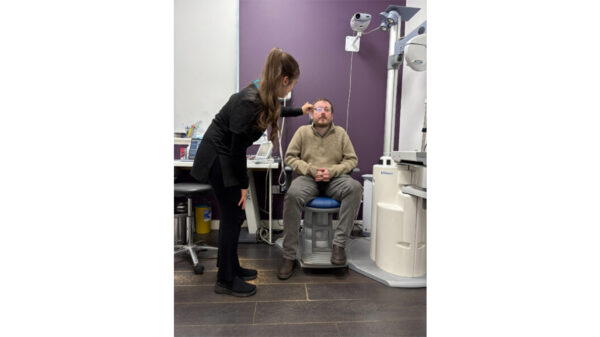

Menopausal and perimenopausal women in Sheffield should not dismiss eye problems as simply age related, say optometrists who are highlighting the impact that hormonal changes can have on eye health and vision.
October marks Menopause Awareness Month, with World Menopause Day taking place on Sunday, October 18. The aim of both is to raise awareness of the support available to women and improve the lives of those experiencing symptoms.
The menopause can affect every organ and every cell in the body, with the eyes being no exception. While more than half of menopausal women suffer from dry eye, many are unaware that the two can be related, with women often putting the symptoms down to age.
Alex Gage, an optometrist at Alex Gage Optometrists which has practices in Woodseats and Crosspool, is determined to ensure more women are aware of the ways in which the menopause or perimenopause can impact eye health, including dry eye, glaucoma and cataracts.
He said: “Menopause Awareness Month is the perfect opportunity to raise awareness among women about how changes to hormones can trigger certain eye conditions.
“Thankfully, there is now much more awareness and discussion around menopause and its effects. However, we have found that not enough women know just how it can affect their eyes. If more women are aware and seek treatment earlier, the outcome could be greatly improved.
“Women who start to experience problems with their eyes at this stage of their life are encouraged to book an eye examination – help is available and it could make all the difference to their eyesight.”
One of the most common eye conditions associated with the menopause is dry eye syndrome. This is the result of a decline in hormones, particularly oestrogen, affecting the production of the tear film, which is a mixture of water, oil and mucus that is released every time you blink. This coating helps to lubricate the eyes and keep them comfortable.
When tear production is impaired, the resulting dry eye syndrome can cause itchy eyes or a gritty feeling in the eye, a burning sensation in the eye, stringy mucus in the eye, red eyes or lack of tears when crying. Eyesight problems may include blurred vision and sensitivity to light.
Management of dry eye syndrome can include eye drops and lifestyle changes, such as avoiding air conditioning, reducing reliance on contact lenses and taking regular breaks when reading, using a computer or watching television.
If you are experiencing the menopause or perimenopause and would like to book an eye examination, visitwww.alexgagevision.com