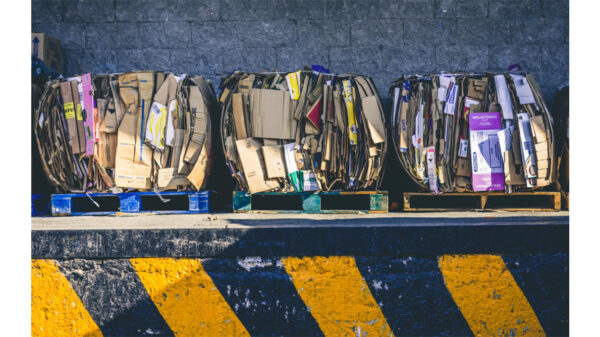
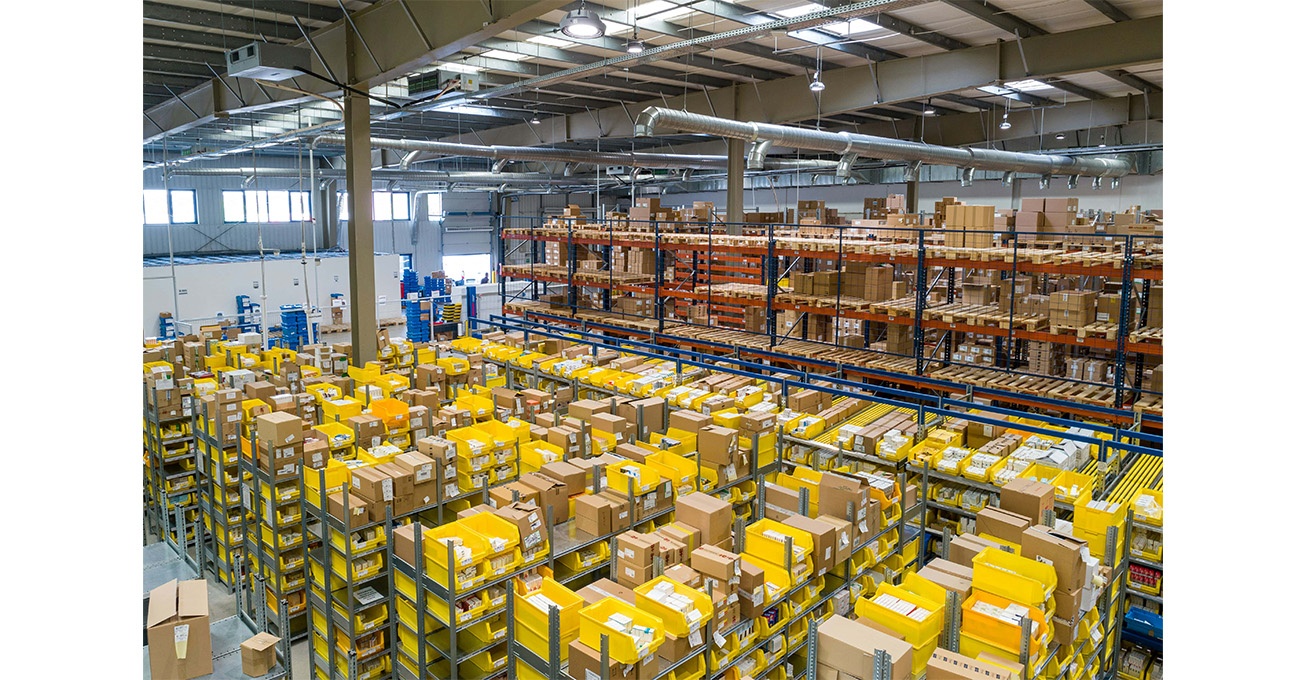

Warehouses are extremely important industrial spaces where everything from manufacturing to the processing of deliveries takes place. Without warehouses, businesses would struggle to manage their inventories and global supply chains would be affected.
For warehouse managers, ensuring the space operates smoothly on all levels should be a top priority. However, this is easier said than done. In this guide, we’ve listed a number of methods warehouses can use to improve efficiency. Check them out below.
Using the Right Materials
Heavy or dangerous machinery is often used in warehouses. Things like forklift trucks and large lorries can be used to transport, deliver and manoeuvre goods. It’s important that warehouses are built to withstand potential impacts and damage that can be caused by these machines.
If areas of the warehouse become damaged, this could lead to delays as repairs are carried out. Furthermore, damaged areas could pose a health and safety risk, putting the personal safety of warehouse operators at risk. It is therefore absolutely essential that warehouses are constructed using appropriate materials.
Dock levellers are areas where deliveries can be offloaded from lorries and trucks. These areas are susceptible to damage caused by bumps and collisions. Precast dock leveller systems offer a higher degree of strength and robustness, as they are made using precast concrete. This material will last much longer than other dock levellers, reducing the risk of damage and by default the potential for delays.
Utilising Smart Technology
Smart technology is transforming the way in which we live our lives. We’re seeing more and more people install smart devices in their homes, where they can make everything easier and more convenient.
However, smart tech isn’t just limited to residential properties. It can also be harnessed to improve efficiency in warehouses. For example, smart lights can be installed, which respond to movement and ensure lights are not left on overnight, while smart tech can also be used to optimise HVAC systems.
Warehouses are expensive to operate. By using smart technology, managers can cut down on energy costs and improve operational efficiency significantly.
Reducing Waste
Waste is a big problem for businesses around the world. Food waste, for example, is estimated to cost around £819 billion globally every year. The numbers are eye-watering, and warehouses must review their waste management procedures if they want to improve efficiency.
Effective waste management is important for warehouses of all kinds, but especially those that deal with perishable items like food and drink products. One of the best ways to approach it is by using the first-in, first-out (FIFO) system. This ensures no products are forgotten about and left to spoil and can help reduce waste by a significant margin.
Products becoming damaged is also a leading cause of waste. It’s essential that all warehouse staff have the proper training and that they understand how to correctly handle products without causing damage to stock.
Conclusion
Improving efficiency should be a number one priority for all warehouse managers. Using the right materials, utilising smart technology and reducing waste are all effective approaches that can be used to do so.