 ASTOP and Datio bring campaign to life with central London installation showcasing both abuse of the system and ethical alternatives.
A striking new installation, at 50 New Bond Street, in the heart of London’s West End is set to shine a light on two major but often overlooked issues affecting the UK economy and high streets: business rates avoidance and the growing trade in counterfeit goods.
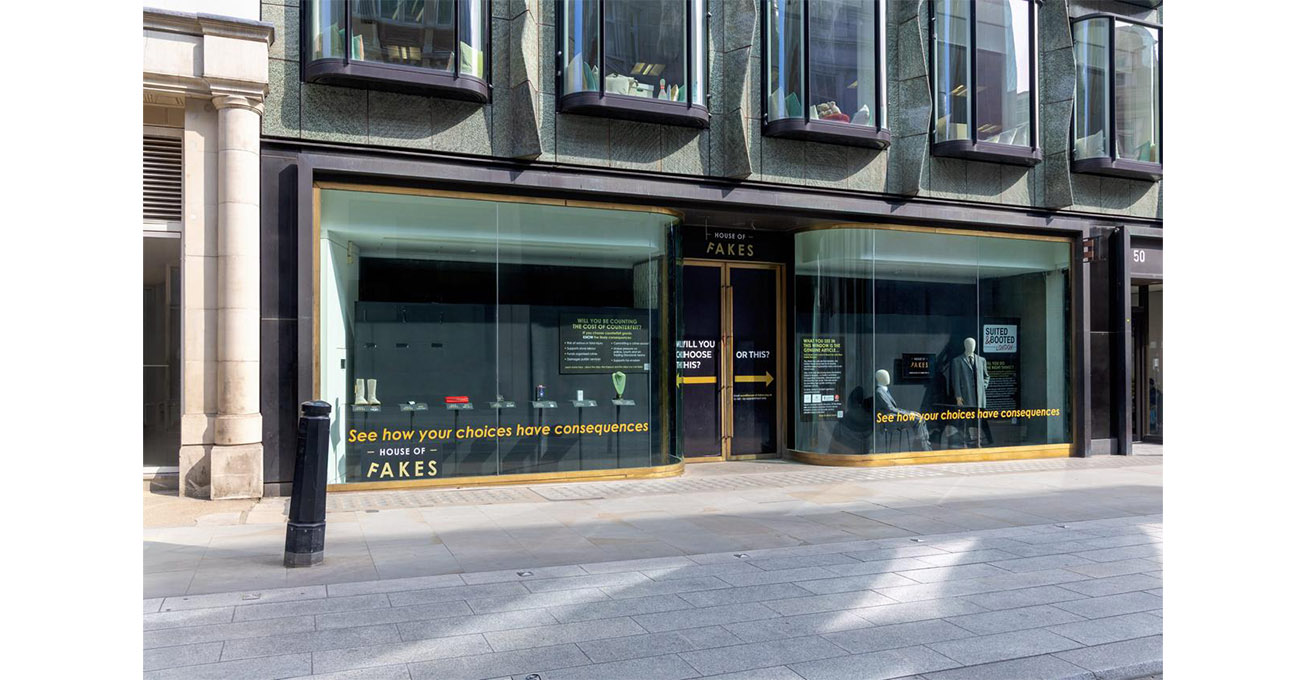
Launching this month on Bond Street, House of Fakes is a unique, immersive space created by ASTOP, the ethical empty business company behind the End Rates Avoidance (ERA) campaign, in collaboration with charity Datio. Situated in one of the world’s most prestigious shopping districts, the installation transforms a vacant retail unit into a powerful, real-world demonstration of both how the business rates system is being abused, and how it can be fixed.
The space itself is a direct example of that change in action. Rather than sitting empty or being used by unethical avoidance scheme operators, ASTOP worked with the landlord to donate the unit to Datio for charitable use on a short-term basis—demonstrating the kind of ethical rates mitigation that ERA is calling to be adopted nationwide.
A tale of two systems: what’s broken and what works
At its core, House of Fakes is an immersive, walk-through installation designed to make complex and often hidden issues tangible. By recreating both the tactics used to exploit the business rates system and the real-world consequences of counterfeit goods, it gives visitors a rare, behind-the-scenes look at how these practices operate—and the damage they cause—while contrasting them with practical, ethical alternatives already being delivered by ASTOP and its charity partners. One side exposes the tactics used in business rates avoidance, including:
- “Snail farms” set up in empty shops to exploit agricultural exemptions.
- “Box shifting”, where token items are moved in and out to trigger reliefs.
- Fake or temporary “places of worship” used to claim exemptions.
These practices are at the heart of the ERA campaign, led by ASTOP, which highlights how loopholes in England’s business rates system are costing councils an estimated £300 million each year, money that could otherwise fund essential local services, such as 2,000 hospital beds or 12 schools per year. The installation makes visible what is often hidden: properties that appear “in use” but deliver no real economic or community value.
In direct contrast, the other side of the space shows what ASTOP and ERA are working to change. It demonstrates how vacant properties can be used ethically, supporting charities, community groups and social causes, while still helping landlords manage costs. From food banks to community services, the installation highlights how prime retail space can deliver real social impact when used responsibly.
Real cost of fake goods
The front window and retail displays extend the “fakes” theme to counterfeit products, revealing the hidden dangers and consequences of buying them.
Visitors will see examples of:
- Fake perfumes containing unsafe and unhygienic substances.
- Phone chargers/accessories and vapes that pose serious fire and explosion risks.
- Cheap clothing made from highly flammable materials that can melt into skin.
The installation also highlights the broader impact of counterfeit goods, including worker exploitation in sweatshops, links to organised crime, and serious risks to consumers. In contrast, authentic goods are showcased to underline the benefits of legitimate production—quality, safety, and contributions to charitable and community causes.
Turning a campaign into a real-world solution
House of Fakes is the latest step in ASTOP’s wider campaign to reform the business rates system through ERA. Building on the success of its Ban Box Shifting campaign, which helped drive legislative change with support from over 100 MPs and councillors, ASTOP is now pushing a six-point manifesto to close remaining loopholes and promote ethical alternatives.
By placing this installation in one of London’s most high-profile retail locations, ASTOP and its partners are turning policy into practice—showing not just what needs to change, but how it can be done.
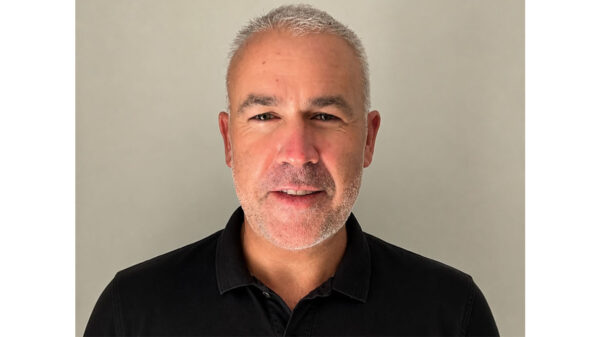
Shaylesh Patel, Founder and CEO of ASTOP, said: “Bond Street is one of the most valuable retail locations in the country, yet even here Westminster council and we can see how the system is being manipulated in ways that deliver no real benefit to communities. House of Fakes shows both sides of that reality, how avoidance schemes operate, but also how the same empty spaces can be ethically used to support charities and create genuine social value. Through the End Rates Avoidance campaign, we are calling for a fairer system that closes these loopholes and ensures funding flows back to local services. This installation demonstrates that change is not only necessary, but entirely achievable.”
Paul Chick MBE, Chair for Datio charity, said: “Access to space is one of the biggest barriers facing charities today, particularly in city centres. House of Fakes demonstrates what’s possible when landlords take a different approach, opening up prime and tertiary locations for organisations that can make a genuine difference. At the same time, it highlights the wider harm caused by counterfeit goods, from unsafe products to organised crime, and why supporting legitimate, responsible alternatives matters.”