

The bad publicity and social media backlash surrounding British Gas’s controversial “fire and re-hire” policy should act as a warning to firms to ensure they explore all the options when planning to revise their terms and conditions, warns a leading Derby HR expert.
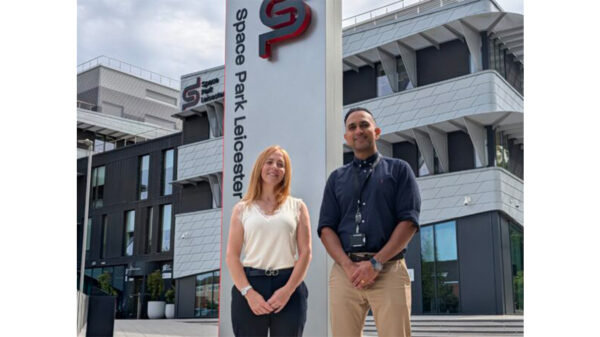
Sarah Loates, Co-Owner of Darley Abbey-based Loates HR Consultancy, said that the energy giant could have avoided the very public fall-out from its decision to give its long-serving employees an ultimatum to accept new terms and conditions or lose their jobs.
A couple of weeks ago, almost 500 British Gas engineers, all of whom are members of the GMB Union, lost their jobs after they refused to sign new contracts that involved working more hours for the same pay, but with less favourable terms for weekend and bank holiday work.
Centrica, which owns British Gas, said around 2% of its staff had chosen not to sign the new contracts, which it said were necessary to protect the company after it had lost more than three million customers, cut more than 5,000 jobs and seen its profits halve.
In response, the GMB union said that many of those to lose their jobs had served the company for the longest time but thought the new requirement, to work an extra three hours a week without an increase in pay, was a bitter reward for their loyalty.
The dispute made national headlines, went viral on social media and also led to hundreds of British Gas customers taking to social media threatening to switch energy supplier.
Sarah, who has seen many industrial disputes over the past 25 years says that, although the hire and re-fire policy is legal, her personal preference is to get employees agreement to change their terms and conditions through openness and creative problem-solving.
Being frank with employees about the challenges the business is facing, and genuinely listening to their concerns. Creativity is generating solutions to the concerns this could include a run-down of existing terms over an agreed period of time to cushion the changes, or agreement to review at a future agreed date when business conditions improve.
She said: “This dispute had been running on for nine months and although the majority of engineers have accepted the new terms, the refusal of the others led to the story making national news and that could have been avoided.
“Difficult commercial decisions do have to be made, the fire and re-hire option involves dismissing an employee and then re-engaging them on a new contact immediately after the old one ends.
“This gives employees a very stark choice, which I refer to as the nuclear option, since technically it means the employer has dismissed the employees. As the British Gas engineers have chosen not to accept the new terms and conditions then expect to see this case end up at an Employment Tribunal, who will rule on whether the dismissal was fair.”
British Gas is the latest in a number of companies whose working practices have hit the headlines, in the wake of travel app Uber, supermarket giants Asda and fast food app Deliveroo.
Sarah added: “All these cases are different aspects of employment rights, but the damage to these companies’ reputations can take years to repair and dent investor confidence, as in the case of Uber, which is why, especially in this day and age of social media, employers should be mindful of the effect that changing employee’s terms and conditions can have.
“When anything like this makes the news, inevitably public sympathy will lie with the employee rather than the employer, so it’s vital that companies open the lines of communication and seek expert advice to ensure that they have considered all the possible options for everybody before pressing the nuclear button.”
For more information visit www.loatestraining.net.