
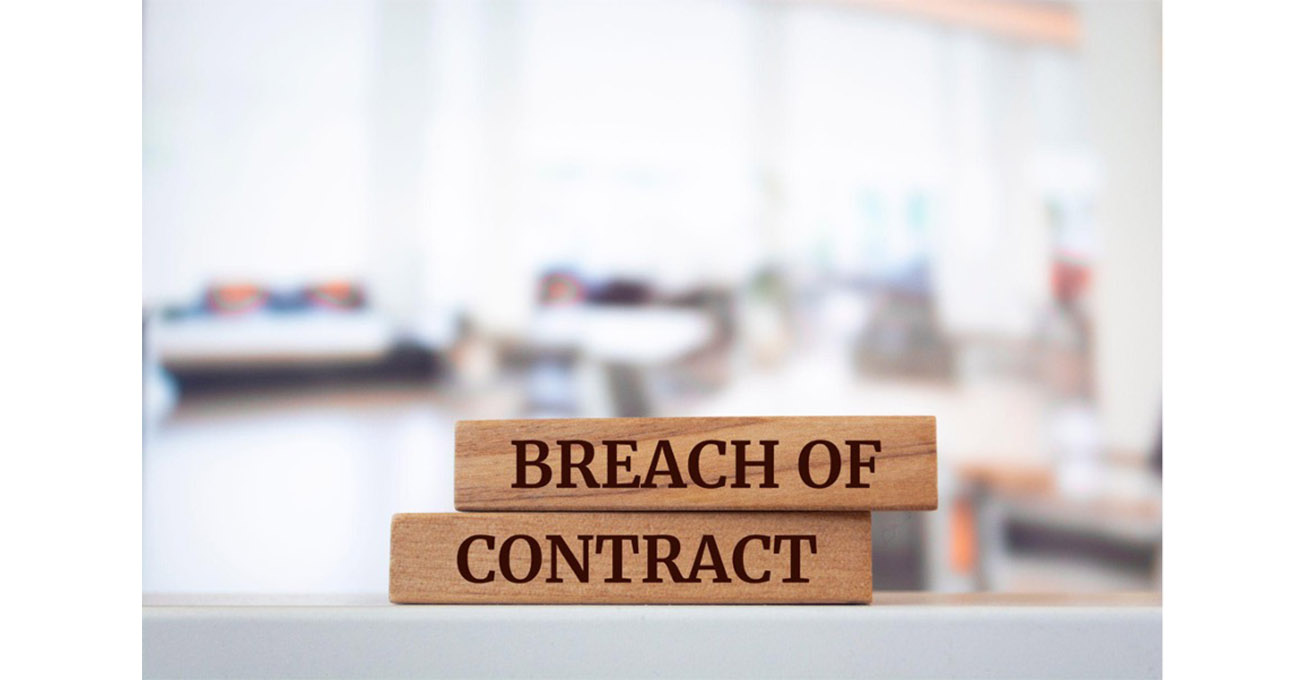
 Business contracts may seem concrete on a sheet of paper until the failure by one of the parties to fulfil the promises.
Late payments, promissory notes, and partially finished services may also result in a breach of contract case in minutes. In the case of most companies, such scenarios result in monetary losses and damage key business ties. Contracts are there to establish the responsibilities, but sometimes it is necessary to enforce the duties of the contract through legal action.
The understanding of breach of contract dispute mechanisms enables businesses to protect their interests through responsive actions. The appropriate legal strategy assists the firms to solve disputes, claim compensation, and reestablish normality with professionalism in the modern, globally competitive business climate.
What a Breach of Contract Means in Business
Business contracts are firm commitments among businesses concerning work, payments and duties. Once either party does not do as promised, then this can become a breach of contract. In such circumstances, legal advice from a firm with enough experience, such as Summit Law LLP, can be instrumental for businesses.
Broken Promise
The fact that a business fails to perform what it represents in the contract is a breach of contract. This failure can include failed deadlines, half-baked services or neglect of duties.
Missed Payment
Contracts tend to have explicit payment directions. A breach occurs when a business refuses or takes a long time to pay for the delivery of goods or services, thus causing disagreements.
Service Failure
Contract breach may be recorded in cases where services promised are performed poorly or not at all. Contracts are crucial in businesses to ensure the work is of a specified quality and meets expectations. 35% of UK business leaders report contract disputes as a major concern
Deadline Miss
Deadlines are often set in contracts to mark the period within which work should be completed. When one party fails to meet these deadlines without an acceptable reason, it may be considered to have breached the contract.
Rule Violation
Contracts can include regulations regarding confidentiality, exclusivity and obligations. By neglecting these rules, a business could breach the contract and generate a contract dispute.
Legal Paths Businesses Can Take After a Contract Breach
Direct Talks
A business will usually start by addressing the other party about the problem. Sometimes, the misunderstanding can be solved by clear communication and revival of the agreement without going to court.
Legal Notice
A formal legal notice alerts the other party of the breach. This step clarifies the problem and demands corrective action within a given time.
Contract Review
A contract is thoroughly read by the legal professionals in order to know the rights and obligations. This will assist in the establishment to know whether the breach was even made and what the legal remedies can be.
Mediation Process
Mediation is a method that enables both parties to negotiate over the row with the assistance of a neutral party known as a mediator. It is aimed at achieving an equitable decision without the courtroom.
Arbitration Route
Arbitration is the act of submitting the matter to a third-party arbitrator. Upon examining evidence and argument, the arbitrator renders a binding solution in order to settle the dispute.
Damage Claim
Companies can make a legal claim to reclaim financial losses due to the breach. Compensation can take the form of unpaid payment, extra expenses, or missed opportunities.
Contract End
In some cases, businesses could legally end the contract because of a serious breach. Ending the agreement secures the affected party against additional obligations.
Court Filing
If all other solutions fail, businesses can go to court. Legal proceedings permit a judge to analyse evidence and make a decision of responsibility for the breach.
Performance Order
The courts might also direct the party breaching to fulfill the work promised. This remedy will guarantee that the initial agreement is met as opposed to paying damages.
Settlement Deal
Parties are known to negotiate out of court or in the middle of a lawsuit. A settlement will enable both parties to settle the case more quickly and save the time-consuming litigation process.
Remedies Businesses Can Seek for Contract Breaches
Money Damages
The loss suffered because of the breach can be compensated for by financial claims made by businesses. Courts can demand that the party in question compensate for lapsed payments, additional expenses or lost earnings.
Specific Performance
The courts can order a party to carry out the performance they had agreed to in the contract. This is mostly done when the product or service cannot be replaced.
Contract Termination
In the case of a grave violation, a business could decide to abort the contract. The termination of the agreement exonerates the remainder of the commitments of the affected party.
Restitution Claim
Restitution entails returning the money or other benefits that the breaching party took advantage of. This is a cure that will put the damaged business in the pre-contract position.
Conclusion
Violation of the contract may interfere with the work and introduce financial losses. With the knowledge of legal solutions and timely response, companies will be able to effectively solve conflicts and preserve the agreements, relations, and long-term sustainability.