
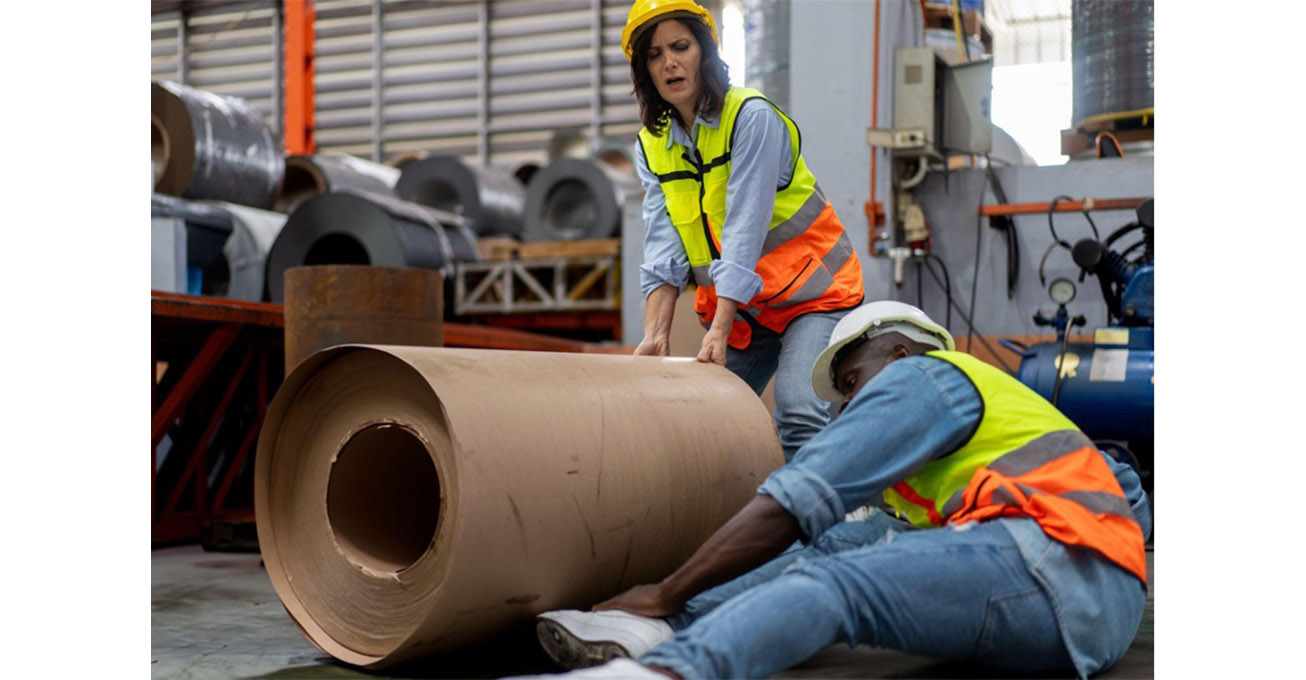
 The violation of workplace safety resonates with the situation where the ignored rules turn into trauma, injury, and unexpected costs that add up at a high rate. In such cases, it is not always easy and quick to compute the compensation. Most of the workers do not observe critical aspects such as lifetime medical coverage, lost earning potential, and legal obligations.
The calculation of the compensation is easy to understand, and avoidable errors can be prevented. It also makes sure that injured employees do not get less than they should. Many people also prefer to use an accident at work calculator.
This guide will help you better understand the process of compensation for violations of workplace safety, what aspects are important and how to be more effective and confident in the calculation process.
What Are Workplace Safety Violations
Unsafe Equipment
Safety violations also involve the use of broken or out-of-date equipment. The use of such equipment may result in accidents and serious harm to the workers while performing their day-to-day tasks.
No Training
Employees should be made to undergo training prior to using tools or undertaking dangerous duties. Inadequate training may result in errors, misunderstandings, and accidents that could have been avoided very easily.
Missing Gear
Failure to offer safety gear such as a helmet, gloves or protective clothing is a breach. Workers would be at more risk of getting injured without the required gear to carry out their daily job responsibilities.
Poor Conditions
Unsafe workplaces are those that have slippery floors, are low-lit or are badly cluttered. The conditions augment the risk of trips, falls, and other avoidable workplace accidents.
Ignored Rules
Risks also rise when either employees or employers neglect safety provisions. It is vital that safety instructions be followed so that there is no accident and the working environment becomes safer for all.
Why Compensation Applies in Safety Violations
Employer Duty
It is the role of the employers to ensure that there is a safe working environment. In case they do not adhere to safety regulations, they are compensated to mitigate the damages to the injured employees.
Injury Impact
Workplace injuries may impinge upon the health, income and everyday life. The compensation assists workers in coping with these effects and helps them during the recovery and adjustment.
Medical Support
Post-injury treatment may be expensive and prolonged. Remuneration will guarantee employees proper medical attention without the anxieties of bearing all costs on their own.
Income Loss
In the case where one cannot work because of an injury, the compensation will be used to cover lost earnings. This enables the workers to manage their daily expenditures and work on recovery and getting back to work.
Fair Responsibility
Compensation will ensure that responsibility is not overlooked in cases of breaking the safety rules. It promotes building responsibility and safer operations to save workers in the future.
How Compensation Is Calculated in Safety Violation Cases
To determine compensation after a workplace safety violation, various losses have to be considered step by step. Each step contributes to building a precise and fair idea of compensation, depending on the injury sustained.
Medical Bills
The sum of all medical fees is included, hospital visits, surgery, medication, and follow-up. These expenses constitute a significant portion of the total compensation.
Future Care
Anticipated future treatment, such as therapy or long-term care, is also part of compensation. This will provide support to the workers even after they have recovered.
Lost Income
The wages lost in recovery are estimated using salary and time out of work. This assists in meeting the daily expenses when the injured worker cannot earn.
Future Earnings
In the event that the injury impairs occupational capacity in the future, lower earning capacity is taken into account. This is to make sure the compensation is based on the financial effect in the long term, which was brought about by the accident at the workplace.
Injury Severity
The severity of the injury is also a factor that should be taken into consideration while performing this calculation. It is a known fact that more severe injuries attract more compensation due to the more attention required by such injuries to heal.
Recovery Time
More time for recovery may mean an increase in the amount of compensation. This is because the longer time away from work and the longer time for recovery mean a bigger financial impact.
Pain Impact
Emotional stress and physical pain are also measured. Such effects may affect everyday life and are listed to describe the general effects of the injury.
Evidence Strength
Evidence such as medical reports, accident records, and witness statements supports this claim. The availability of such evidence ensures that accurate calculation and fair compensation are achieved.
Work Impact
The question of how the injury impacts daily job performance is taken into account. When the work gets difficult or cannot be done, the compensation depends on the affected working capacity and constraints.
Legal Rules
There are also legal guidelines as well as local laws that affect the compensation. These regulations assist in determining the calculation of claims and the kind of losses that may be taken into account.
Conclusion
To compute the compensation for breaches of safety at the workplace, it is crucial to comprehend medical expenses, lost earnings and permanent injury. An evident method assists employees in skipping errors and securing a reasonable and precise claim result.