
At a time when environmental responsibility has become an imperative concern, businesses are taking proactive steps towards adopting organic, eco-friendly, and reusable practices.
This trend is not simply temporary, rather it serves as an important strategy for long-term success and lasting positive impacts on the planet. Playing games with eco-friendly claims might provide short-lived marketing advantages. Authenticity and genuine commitment are the keys to customer loyalty and industry respect. Let us look at sustainable business practices which are creating a greener, more responsible future.

Emphasising Organic: Not Just a Fancy Label
Gone are the days when “organic” was simply used as an excuse for higher prices. Today, organic stands for quality and excellence. Organic products not only safeguard consumer health and wellbeing, but they also support environmentally-friendly agricultural practices. Businesses that choose organic production methods commit themselves to an approach that dramatically decreases harmful chemicals while simultaneously increasing biodiversity. Organic products spanning fashion that utilise Organic Cotton textiles to organic raw materials used in food and cosmetics all demonstrate how this sector prioritises both people and planet. By including organic products in their offerings, companies are tapping into an eager consumer base looking to make an impactful statement with their purchases.
Sustainable Practices: More Than Just a Buzzword
Sustainability has become something of a trendy buzzword, yet businesses committed to true sustainability understand it requires ongoing efforts on multiple fronts. Sustainable operations go well beyond token initiatives. Sustainability requires revamping every aspect of business operations, from responsible material sourcing and waste reduction, to cutting energy consumption. Sustainability means finding a balance between economic growth and protecting ecosystem health. Forward-thinking companies are setting ambitious targets to reduce carbon footprints, invest in renewable energy sources, and revamp product lifecycle management, all while remaining profitable. By developing robust sustainability-promoting systems, businesses not only secure their long-term futures but also demonstrate that they are committed global citizens.
Reusability: The Art of Giving Resources a Second Chance
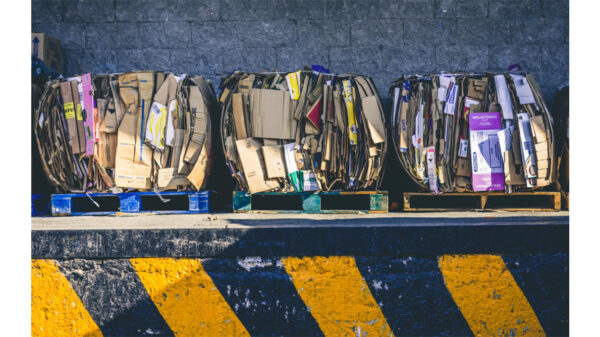
The concept of reusability, converting once considered waste into useful resources, is increasingly taking centre stage in circular economy models. This approach to business disrupts the traditional linear “take-make-dispose” industrial process by encouraging perpetual use and creative rethinking. Businesses are innovating by designing products which can be reused, repurposed or recycled efficiently. Reusability has become an invaluable resource. From fashion brands offering recycling programs for old clothing to tech companies designing modular devices that last, reusability initiatives have proven themselves both environmentally sustainable and appealing to an emerging consumer base that prioritises sustainability over disposability.
Conclusion
Switching to organic, eco-friendly practices is more than a wise business move, it is also crucial. Companies with the vision and foresight to implement eco-friendly practices not only gain a competitive edge but also help ensure our planet remains preserved for future generations. While sustainability presents some unique challenges, its rewards can be enormous. So while this game may not involve manipulating numbers, it does entail playing your cards right to ensure a prosperous and greener future. As businesses and consumers continue to embrace sustainability principles, an exciting transformation could occur that alters our notions of profit and purpose.