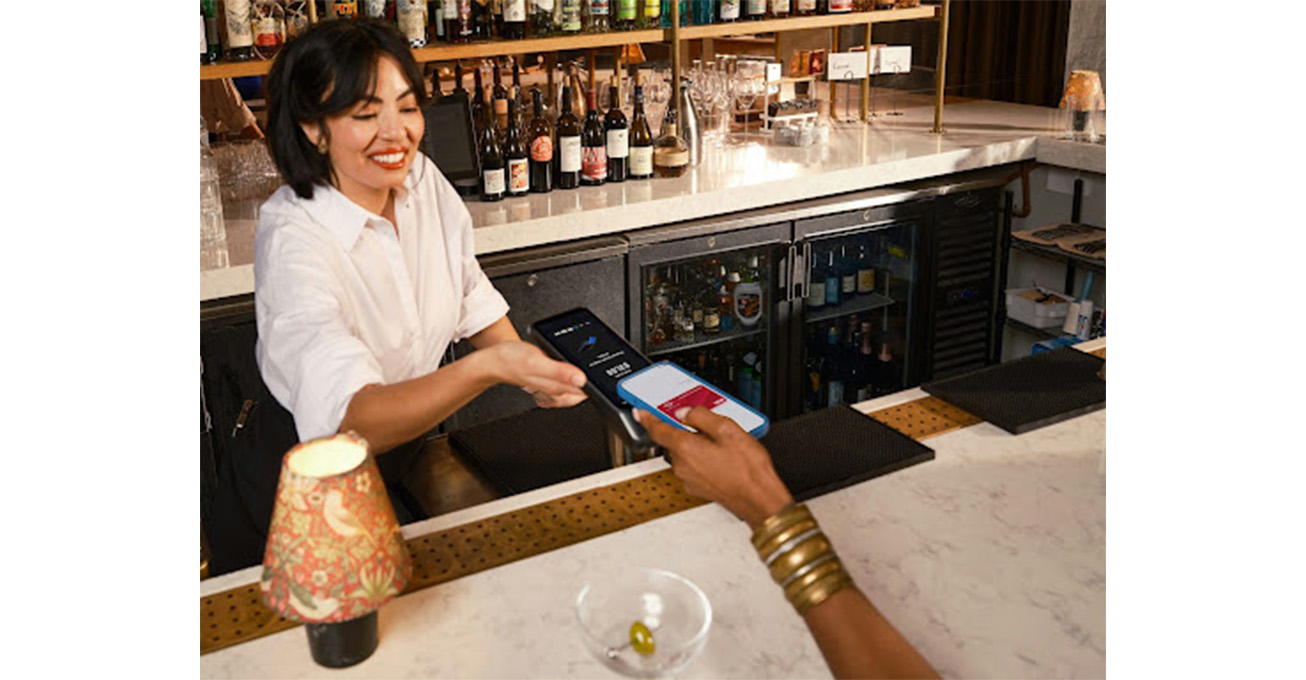
Most owners who read UK News Group already live on contactless. The card reader on the counter, the phone on the delivery van dashboard, the supplier invoice settled from a handset on a train: tapping to pay has stopped being a novelty. It is no surprise that the same tap now turns up on entertainment sites too, including online casinos.
For a business owner, the interesting part is not the casino. It is the payment. Anyone checking out Apple Pay casinos should treat the choice like any other payment decision: what actually happens to the money, who can see the card details, and what protections apply if something goes wrong. This guide answers those questions in plain terms, and keeps gambling in its place as an adult leisure spend, not a way to make money.
How Apple Pay works
Apple Pay does not pass your real card number to the merchant. When a debit card is added to the Wallet app, the card issuer provides a device specific token, a different number that stands in for the card. That token is stored in a dedicated secure chip on the phone. Each payment also carries a one time code, so a captured token cannot simply be replayed somewhere else.
Authorising a payment needs Face ID, Touch ID or the passcode. Without one of them the phone stays locked to the wallet, even if the device itself is in someone else’s hand.
The money still moves through the ordinary card networks. Apple Pay is a way of presenting your card, not a new account, which matters for regulation. Payment firms in the UK are supervised by the Financial Conduct Authority, and the card issuer behind your Apple Pay wallet remains the party responsible for your account and for handling disputes.
Apple Pay casinos
Casinos that take Apple Pay usually offer it as a deposit option next to standard debit card payments. In practice the player picks Apple Pay at the cashier, confirms with a face scan or fingerprint, and the funds arrive in seconds. No card number is typed in, so there is nothing to mistype and nothing for a nosy browser extension to scrape.
Two UK rules are worth knowing. Licensed casinos cannot accept credit cards for gambling, a ban in force since April 2020, so an Apple Pay wallet funded by a credit card will not work for this purpose and a debit card is the route. Operators serving British customers also need a licence from the Gambling Commission, which is the first thing to check before a single pound goes in.
One practical point that surprises people: a fast deposit does not guarantee a fast or identical route back out. Before paying, read how the site handles withdrawals, as the cashier may ask for a different method or extra identity checks. It is a boring detail, and exactly the sort that causes problems later.
Security
Owners tend to be sensible about cash handling in the shop and sloppy about their own phone. The same instincts apply here. When B&Q opened its new Merry Hill store in Dudley, the story on this site was about staff, space and stock. Behind every till in a new shop sits a tap payment system, and the habits of the people using it are what keep it safe.
For a personal handset the basics are short. Use a passcode of six digits or more rather than four. Keep Face ID switched on for the wallet. Enable Find My so a lost phone can be locked or wiped, and take a lost device seriously: suspend the cards in the Wallet through your bank’s app the same day.
Keep personal and business money apart. A card used for gambling should never be the company account card. Apple Pay makes it easy to hold several cards in one wallet, so check which one is set as the default before each payment. A mistaken tap on the business card is an awkward conversation with your accountant.
Watch the statement too. Apple Pay payments show up under the merchant’s name, usually through a payment processor. If a line looks wrong, tell the bank promptly and ask about a chargeback.
Limits
Easy payments make easy spending, so limits matter more, not less. Licensed UK casinos must offer tools that put a cap on what you can do, and they are worth setting before the first deposit rather than after a bad night. Deposit limits for a day, week or month sit at the top of the list, with time out periods and self exclusion behind them. GamStop covers every UK licensed site in one registration, and BeGambleAware and GamCare run free, confidential support.
A simple test for owners: if the money would be missed by the business, the household or a supplier waiting on payment, it should not be going into a casino. Set the limit as a fixed monthly sum, decide it while calm, and treat anything won as a surprise rather than a plan. 18+ only, and gambling should be entertainment.
Back to SME news
Apple Pay is a convenient, well designed way to pay, and that is all it is. The protection comes from the licence, the limits and the owner’s own habits. For more on the people and companies shaping small business across the regions, the rest of the day’s stories are one click away.