
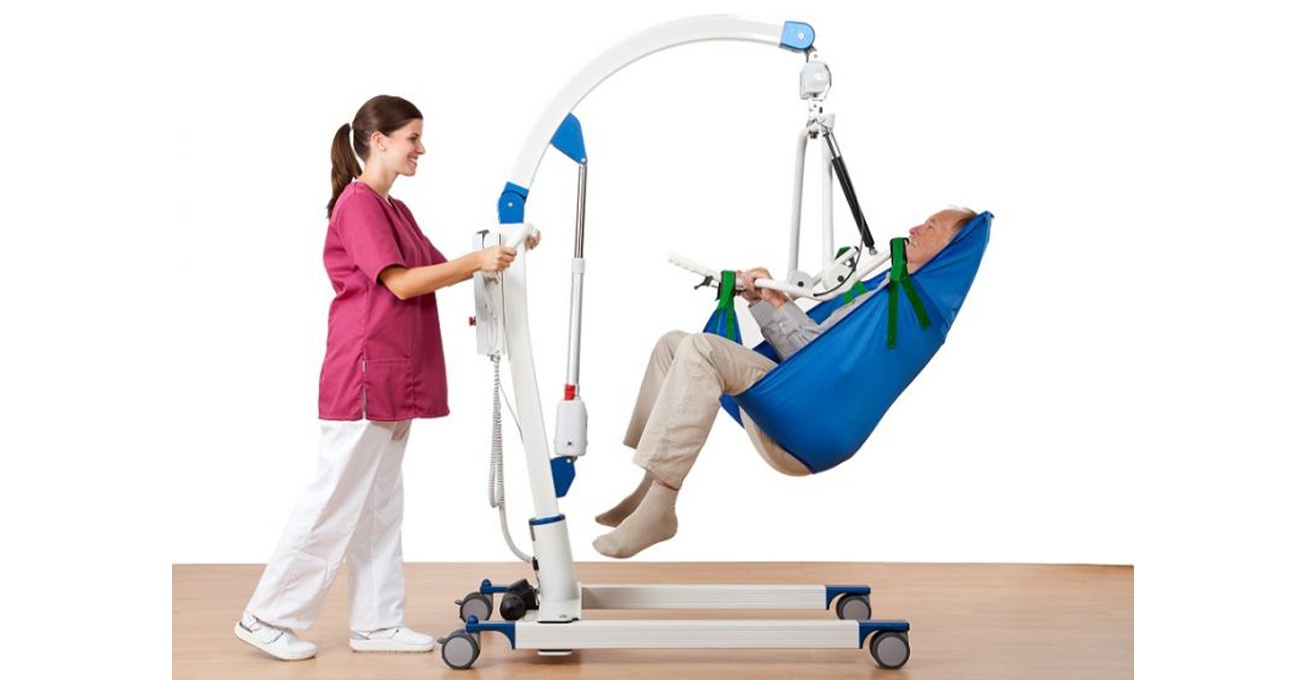
 Ensuring the safety, comfort, and mobility of residents is a top priority for any care home. One of the most crucial pieces of equipment in achieving these goals is the hoist.
Care home hoists are essential for assisting residents with limited mobility, helping them move safely and comfortably. Choosing the right hoist can significantly impact the quality of care provided. This comprehensive guide will help you navigate the process of selecting the perfect hoists for your care home.
Understanding the Importance of Hoists
Hoists are mechanical devices designed to lift and transfer residents with mobility issues. They are vital in reducing the risk of injury to both residents and caregivers, ensuring that transfers are conducted safely and efficiently. Here are some key reasons why hoists are indispensable in care homes:
- Enhancing Resident Mobility: Hoists enable residents to move between beds, chairs, bathrooms, and other areas with ease, enhancing their mobility and independence.
- Reducing Injury Risk: Manual lifting can lead to musculoskeletal injuries among caregivers. Hoists minimise this risk by providing mechanical assistance.
- Improving Comfort: Properly used hoists ensure that residents are transferred comfortably, reducing the risk of discomfort or injury during movement.
Types of Hoists
There are various types of hoists available, each suited to different needs and situations. Understanding the differences between them will help you make an informed choice:
Ceiling Hoists
Ceiling hoists are permanently installed systems that run along tracks mounted to the ceiling. They are ideal for rooms where residents require frequent transfers, such as bedrooms and bathrooms.
- Advantages: Ceiling hoists save floor space, offer a smooth transfer, and can cover larger distances within a room or between rooms.
- Disadvantages: They require professional installation and are less flexible once installed.
Mobile Hoists
Mobile hoists are versatile, portable devices that can be moved between different rooms and locations within the care home.
- Advantages: Mobile hoists are flexible, do not require permanent installation, and can be used in various settings.
- Disadvantages: They take up floor space and can be difficult to manoeuvre in tight spaces.
Stand Assist Hoists
Stand assist hoists are designed to help residents who have some weight-bearing capability to stand up from a seated position.
- Advantages: They promote independence and mobility, are less intrusive than full-body hoists, and can be used for toileting and dressing.
- Disadvantages: They are not suitable for residents who cannot bear weight.
Key Features to Consider
When choosing hoists for your care home, consider the following key features to ensure they meet the needs of your residents and staff:
Weight Capacity
Ensure the hoist can safely accommodate the weight of the heaviest resident it will be used for. Overloading a hoist can lead to equipment failure and injury.
Ease of Use
The hoist should be easy for caregivers to operate, with intuitive controls and smooth manoeuvrability. Complicated systems can lead to errors and delays during transfers.
Safety Features
Look for hoists with safety features such as emergency stop buttons, overload protection, and secure sling attachments. These features are crucial for preventing accidents and ensuring safe operation.
Comfort
The hoist should provide a comfortable experience for residents. Padded slings, adjustable leg supports, and gentle lifting mechanisms can help ensure comfort during transfers.
Assessing Your Care Home’s Needs
Before purchasing hoists, assess the specific needs of your care home:
Resident Needs
Evaluate the mobility levels and requirements of your residents. Different residents may need different types of hoists, so a variety of options may be necessary.
Space Constraints
Consider the layout and space available in your care home. Mobile hoists need sufficient floor space, while ceiling hoists require appropriate structural support for installation.
Budget
Determine your budget for purchasing hoists. While investing in high-quality equipment is crucial, it’s also important to find options that provide good value for money. Consider long-term costs such as maintenance and repairs.
Evaluating Potential Suppliers
Choosing the right supplier is as important as choosing the right hoist. Look for suppliers who offer:
- Reputation and Reviews: Research suppliers’ reputations and read reviews from other care homes. Reliable suppliers will have positive feedback and a track record of quality products and service.
- After-Sales Support: Ensure the supplier offers comprehensive after-sales support, including maintenance, repairs, and training for caregivers.
- Warranty and Guarantees: Choose suppliers who provide warranties and guarantees on their products. This ensures that you are protected against defects and issues.
Conclusion
Selecting the right hoists for your care home involves understanding the needs of your residents, evaluating the features and types of hoists available, and choosing a reputable supplier. By carefully considering these factors, you can ensure that your care home is equipped with the best hoists to enhance the safety, comfort, and mobility of your residents. Investing in the right hoists not only improves the quality of care but also demonstrates a commitment to the well-being of both residents and caregivers.