For restaurants, bars and hotels, being visible on Google Maps is no longer just a marketing advantage. It can directly influence whether a customer books a table, reserves a room or chooses a competitor.
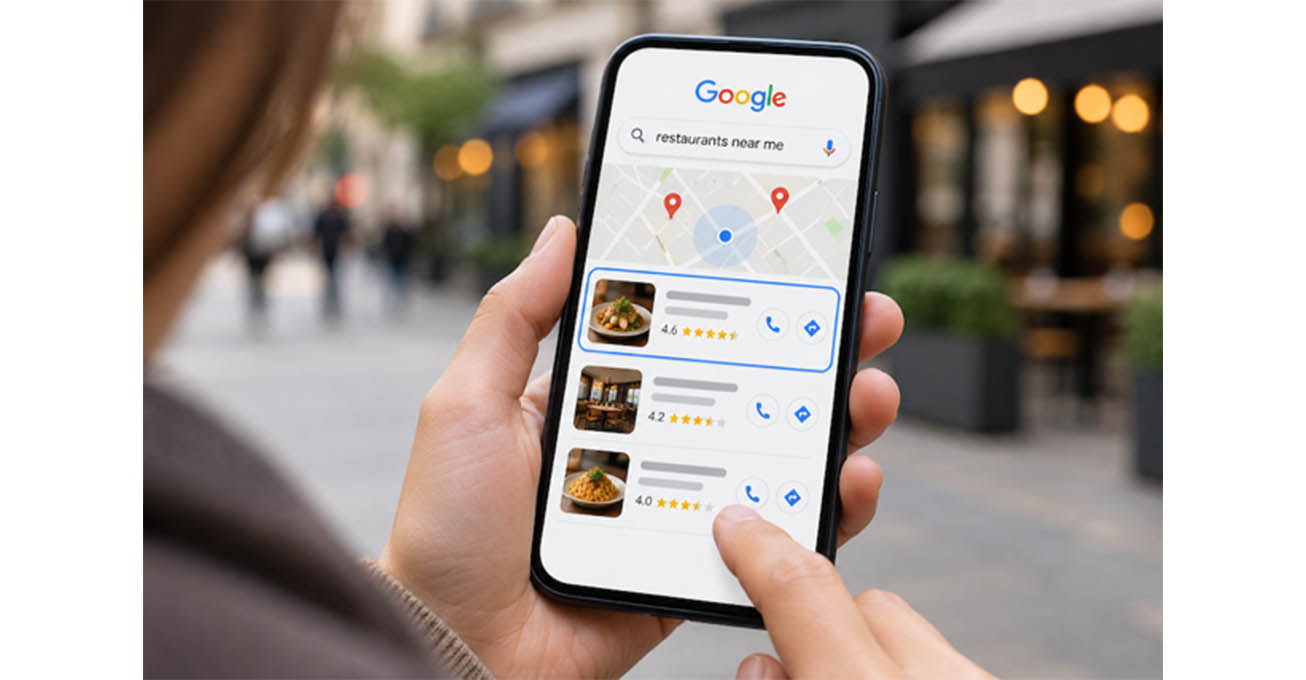
With AI-powered search growing and more customers finding answers without clicking through to websites, Google’s local Map Pack has become valuable digital real estate.
For hospitality businesses, the stakes are particularly high. Customers frequently search on mobile, often with immediate intent. Someone searching for “restaurants near me” or “hotels in Manchester” is potentially just moments away from making a booking.
Specialist hospitality marketing agencies increasingly advise operators to treat their Google Business Profile as a customer acquisition channel, not simply an online directory listing.
Here are five improvements businesses can make today.
1. Get your business name and categories right
Your Google Business Profile should use your genuine trading name, not a keyword-stuffed variation designed to manipulate rankings.
Adding phrases like “Best Italian Restaurant London” can breach Google’s guidelines unless they’re genuinely part of your business name.
Instead, focus on choosing the most accurate primary business category, supported by relevant secondary categories that reflect your offering.
2. Keep every business detail accurate
Incorrect opening hours, outdated phone numbers or missing booking links can cost hospitality businesses customers.
Check your address, contact details, website, opening times and reservation links. Update seasonal hours, bank holidays and temporary closures promptly.
Consistency across your website and other prominent online listings also helps reinforce accurate business information.
3. Make your description work harder
Your business description should explain what makes your venue relevant to potential customers.
Rather than filling it with generic marketing claims, describe your cuisine, location, atmosphere, facilities or specialisms.
A boutique hotel might highlight its proximity to local attractions, while a restaurant could mention its seasonal menu or private dining facilities.
Write naturally for customers, not search engines.
4. Take customer reviews seriously
Reviews influence both Google’s assessment of local prominence and customers’ booking decisions.
Encourage genuine feedback from guests and respond professionally to reviews, including negative ones.
A consistent stream of authentic reviews demonstrates an active business, while thoughtful responses show prospective customers that their experience matters.
Never purchase reviews or offer incentives in exchange for positive ratings.
5. Give customers a reason to choose you
Strong photography can turn visibility into bookings.
Regularly upload current images of dishes, interiors, bedrooms and facilities. Keep menus, amenities and booking options up to date.
These improvements may not directly increase rankings, but they help customers confidently choose your business once they find it.
Turn local visibility into bookings
Google’s local rankings depend on relevance, distance and prominence. While operators cannot control their location, they can improve how accurately and convincingly their business appears.
For hospitality businesses, effective Google Maps optimisation is ultimately about being discovered, trusted and chosen.