The owner of a Derby creative communications agency has paid tribute to the “bravery and sense of duty” of the military veterans who agreed to front its latest national campaign.
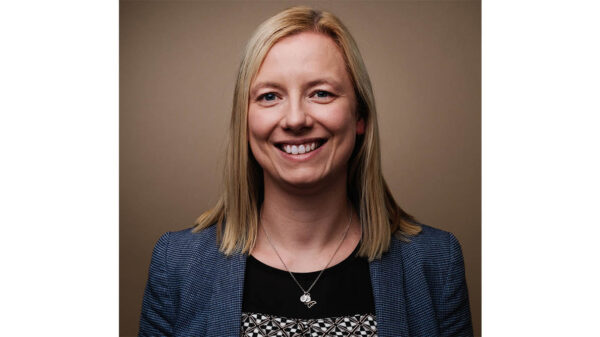
Anna Hutton, co-founder and director of MacMartin, said the veterans’ willingness to tell their stories is key to the success of the campaign, which was commissioned by the Ministry of Defence to raise awareness of its LGBT restorative measures.
The measures were established to encourage veterans affected by the Armed Forces’ historic ban on LGBT personnel to access the financial recognition and other forms of restoration available to them.
They form part of the Government’s ongoing efforts to address the historic treatment of LGBT personnel who served in HM Armed Forces between 1967 and 2000, when individuals could face investigation, dismissal, discharge or other forms of mistreatment because of their sexual orientation or gender identity.
MacMartin worked alongside the MOD’s restorative measures team on the brief and stuck to a tight deadline in order to give applicants as much time to act as possible.
Its campaign, which launched last month, included building a dedicated campaign website on GOV.UK, which guides veterans through everything from finding out what they may be eligible for to making their claim.
It also includes videos, leaflets and online resources for organisations such as the NHS and community groups to use to reach veterans who may be eligible.
It took MacMartin two months to devise, create and launch the campaign, working alongside a number of support organisations, including the LGBTQ+ veterans charity Fighting With Pride.
It focused on the first-hand accounts of five LGBT veterans who were forced to leave the forces because of the ban.
Representing all three services – the Army, Royal Navy and RAF – the veterans were filmed talking about their experiences and then their feelings on having been recognised and, importantly, having had their service records restored.
The videos were filmed by Derby-based video production firm AV IT Media and the interviews were conducted by MacMartin staff.
Anna said: “We knew from the beginning that we wanted the veterans themselves to be the ones at the heart of this campaign and were mindful of how sensitively we would have to approach those conversations about their difficult and harrowing experiences.
“It took weeks of planning to ensure we struck the right tone in the interviews and we all came away feeling humbled by their bravery in opening up to us about what had happened to them.
“You could tell they had a sense of duty about using their stories to encourage more LGBT veterans to come forward and apply for the recognition they deserve.”
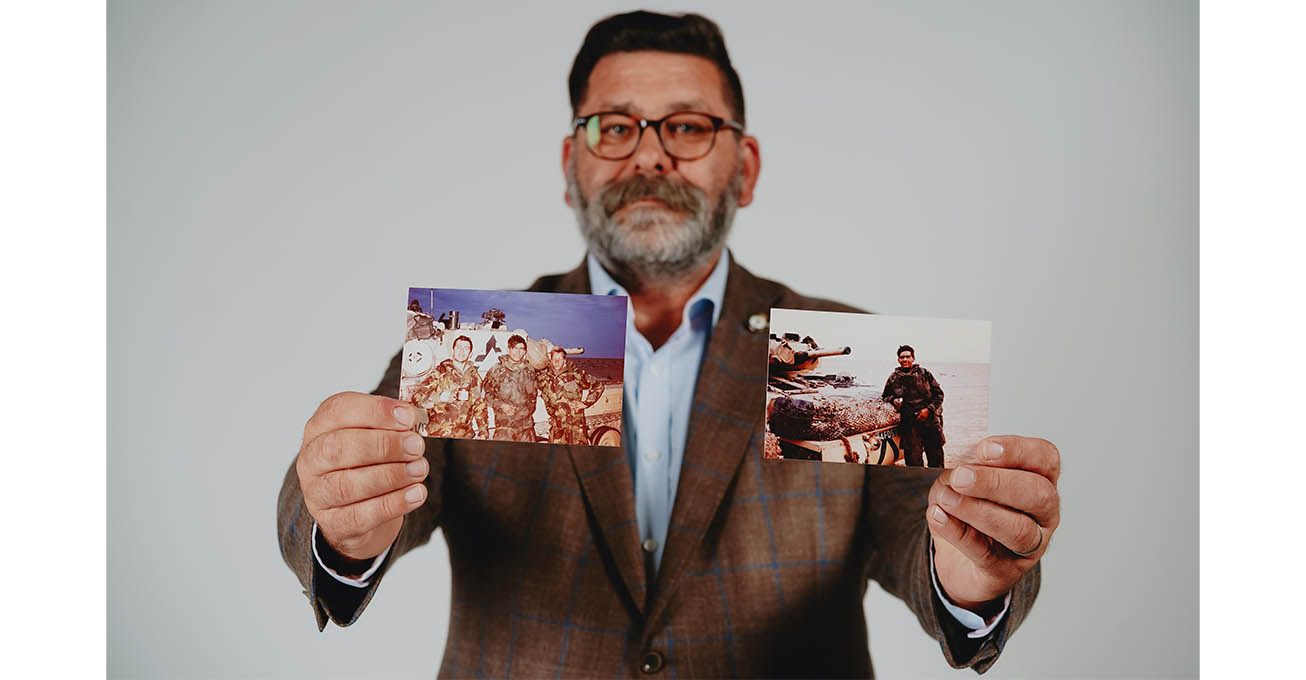
Among the veterans sharing their stories was Lee Buss-Blair, who joined the Royal Armoured Corps at the age of 16 and was later deployed in the first Gulf War in 1990 with the Royal Scots Dragoon Guards Battle Group.
A year later, he met his first partner and, knowing that gay people were not allowed to serve in the forces, he left the Army in 1992.
Five years later, the MOD contacted him inviting him to serve as a volunteer in Bosnia because it recognised his skillset, but during the tour he was discharged because of his sexuality.
Although he was discharged under the category ‘services no longer required’, he ended up with a permanent record stating he was not suitable to serve his country, and says he was left feeling ashamed of being thrown out for who he was.
Lee said: “My story is different from many people’s. There are some truly horrific stories out there about how people have been treated, much worse than my own story.
“I think it’s understandable that LGBT veterans may think twice about making contact with any military organisation, or even identifying themselves as veterans.
“But if they were impacted by the ban on LGBT personnel serving in the military, these restorative measures are for them. We deserve to have historical wrongs made right.”
The MOD is running two schemes which offer both financial and non-financial measures to veterans who faced dismissal, discharge or mistreatment because of the ban.
The first is the LGBT Financial Recognition Scheme (FRS), which offers a fixed payment of £50,000 to those who were dismissed or discharged because of the ban, and an Impact Payment of up to £20,000 for those affected in other ways, such as harassment or investigation. Eligible veterans can apply for both.
A second scheme, the Non-Financial Restorative Measures Scheme, offers other forms of recognition, including official letters of apology, restoration ceremonies and replacement service items such as berets and cap badges.
Nearly 1,900 financial recognition payments have been made so far, but with applications to the FRS closing on 12 December, the MOD wants to make sure that nobody who is eligible misses out.
To find out more about the schemes, visit www.gov.uk/affected-by-the-ban.