
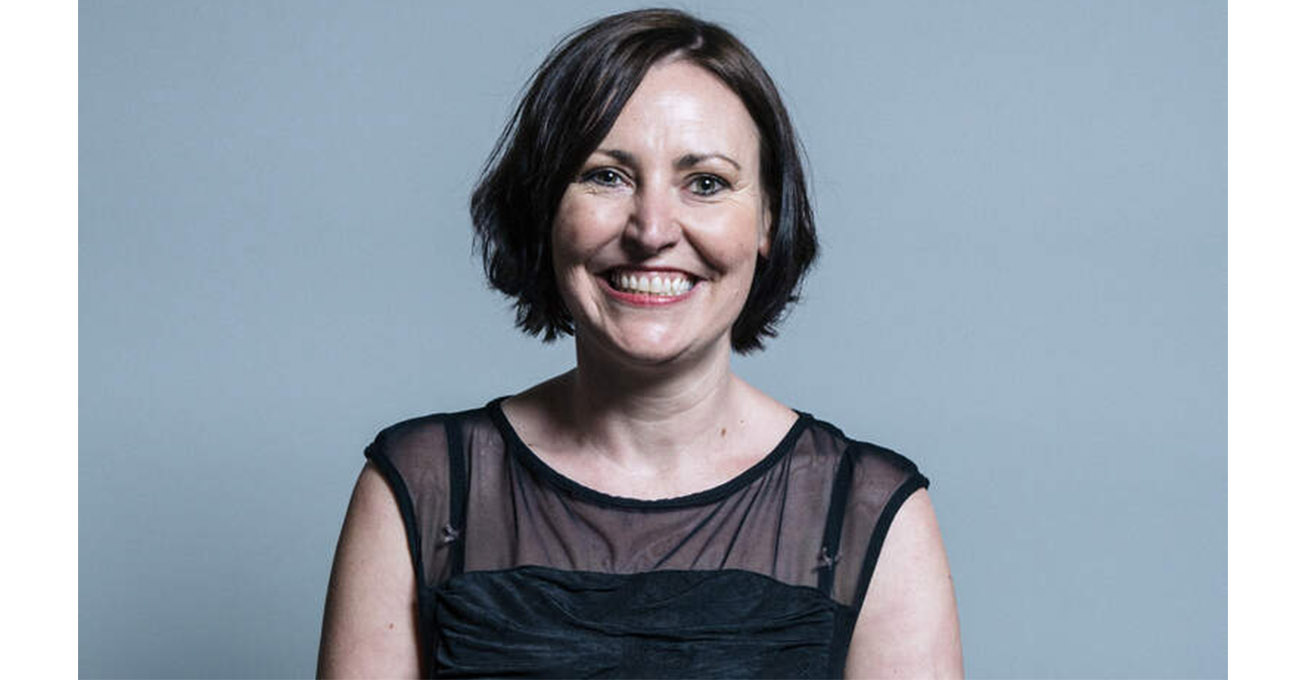
New Gambling Minister Vicky Foxcroft has made her first public appearance in the role, using a fringe event at the Labour Party Conference in Liverpool to discuss the future direction of gambling reform.
Foxcroft spoke at an event titled “What Next for Gambling Reform: Time for a New Act?”, alongside other politicians and members of the All Party Parliamentary Group for Gambling Reform. The discussion comes as questions continue over whether the UK’s existing gambling legislation is capable of dealing with the modern gambling environment.
Concerns Over High Street Gambling
One of the clearest themes from Foxcroft’s contribution was concern about gambling on the high street and the potential relationship between easily accessible gambling locations and compulsive gambling.
According to reports from the event, the new minister appeared less sympathetic towards high street gambling locations, highlighting concerns about compulsive gambling. Her comments suggest that the physical presence of gambling venues in local communities could be an area receiving further attention as the Government considers its approach to future reform.
However, Foxcroft’s position was not uniformly negative towards all forms of land-based gambling.
She expressed support for the seaside industry and arcades, recognising the distinctive role they play in Britain’s traditional seaside towns. This creates an interesting distinction between different types of gambling premises, particularly given the long-standing place of amusement arcades within the UK’s coastal tourism industry.
Less Focus On Online Gambling
While the minister’s comments on high street gambling attracted attention, there appeared to be less discussion of online gambling during the event.
That is notable given the significant changes already affecting the online sector in 2026. Remote Gaming Duty (RGD) increased from 21% to 40% on 1 April 2026, representing a substantial increase in the tax applied to remote gaming profits, including those on online slots. HM Revenue & Customs confirms that the 40% rate applies to remote gaming profits from accounting periods beginning on or after 1 April 2026.
The tax increase was part of a wider package of gambling duty reforms announced by the Government. According to HM Treasury, the reforms are expected to raise more than £1 billion per year, with the increase in RGD specifically aimed at remote gaming. The Government cited the growth of online gaming and evidence of higher levels of gambling harm associated with products such as online slots as reasons for targeting the sector.
For operators, therefore, 2026 has already represented a major period of change. The doubling of RGD has come alongside a wider regulatory environment that has placed increasing emphasis on player protection and reducing gambling-related harm.
What Could A New Gambling Act Look Like?
The title of the Labour Conference fringe event itself, “What Next for Gambling Reform: Time for a New Act?” highlights the wider debate surrounding the Gambling Act 2005.
The question now is whether further changes should be made within the existing framework or whether the Government should eventually replace the legislation with a completely new Gambling Act.
Foxcroft’s early comments provide some indication of the areas that could receive attention, particularly the relationship between gambling premises and local communities. Her apparent support for seaside arcades also suggests that future policy may distinguish more carefully between different types of land-based gambling rather than taking a uniform approach.
At the same time, the relative lack of discussion around online gambling leaves important questions unanswered.
The online sector has already experienced significant regulatory and tax intervention, with RGD now standing at 40%. HMRC describes remote gaming as gambling conducted through the internet and other forms of electronic communication, meaning the increase directly affects the online gaming market.
A New Chapter For Gambling Reform?
Vicky Foxcroft’s appearance in Liverpool represents an early opportunity to understand some of the priorities of the UK’s new Gambling Minister.
Her concerns about high street gambling and compulsive gambling suggest that the physical availability of gambling will remain an important part of the political debate. At the same time, her support for the seaside industry and arcades indicates that there may be a distinction between gambling venues that form part of the traditional visitor economy and other high street locations.
For the online gambling industry, meanwhile, the key issue will be whether further regulatory measures follow the substantial changes already introduced.
With Remote Gaming Duty having risen from 21% to 40% this year, the online sector has already undergone one of its biggest financial changes in decades. Whether the Government believes further intervention is required — and what form that intervention could take, will be closely watched as the debate over a potential new Gambling Act develops.
Photo Credit: https://bettingandgamingcouncil.com/.