 Walk into a hotel, restaurant, or bar that has been thoughtfully curated, and you feel it immediately, even if you can’t immediately identify why.
There’s a coherence to the space, a sense that every element has been considered in relation to every other element, and a particular atmosphere that feels intentional rather than accidental.
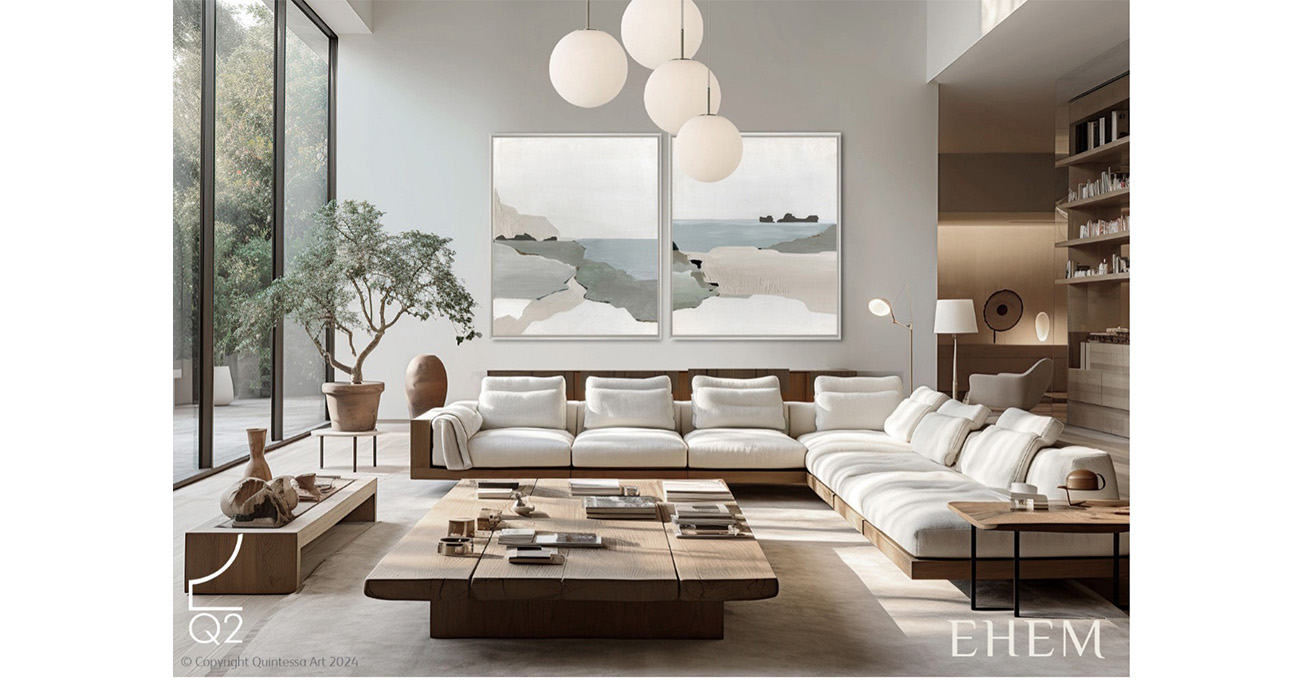
Often, a significant part of what creates that feeling is the art. Not art as decoration, not prints chosen to fill wall space or match a colour scheme, but art selected with genuine care and placed with genuine understanding of how it shapes the experience of being in a room. The difference between a hospitality space that guests remember and one they forget is frequently found in exactly these kinds of details, and art is one of the most powerful tools available for creating the former.
Hospitality art consultants occupy a specialist position that sits at the intersection of creative expertise, commercial understanding, and deep knowledge of how people experience physical spaces. Their value isn’t simply in knowing about art, though that knowledge is essential. It’s in understanding how a particular piece will function in a specific environment, how it will interact with the lighting, the architecture, the furniture, and the overall narrative that a hospitality business is trying to talk about itself. A consultant who has worked extensively in the sector brings an accumulated understanding of what works in practice rather than simply what looks good on a mood board, and that practical experience is what separates genuinely effective art curation from well-intentioned but ultimately decorative choices.
For hotels, the stakes are particularly high because the art must work across a range of spaces and a range of moods. A lobby needs to make an immediate impression and signal something clear about the character of the property. Corridors and guest rooms require a different kind of consideration, something that rewards closer attention without demanding it, that creates a sense of quality without overwhelming a space designed primarily for rest. Restaurants and bars within a hotel present their own distinct requirements, where the art needs to contribute to an atmosphere that encourages people to linger, to feel at ease, and to feel that they’re somewhere genuinely worth being. Navigating all those different requirements consistently and coherently is exactly the kind of complex brief that an experienced art consultant handles as a matter of course.
For independent restaurants and bars, the investment in proper art consultancy can feel like a luxury until it’s seen in context of what it delivers. A well-curated space attracts a different kind of attention, both from guests who notice and appreciate the care that has gone into it and from the press and social media coverage that distinctive, beautifully realised interiors tend to generate organically. In a sector where differentiation is everything and where the competition for attention and loyalty is intense, the atmosphere created by thoughtfully chosen and expertly placed art is a genuine competitive advantage rather than an optional aesthetic flourish.
There’s also the question of the relationship with the art itself. A good hospitality art consultant doesn’t simply source pieces from wherever happens to be most convenient. They build relationships with artists, galleries, and collections that give their clients access to work that is genuinely interesting and genuinely appropriate, rather than the kind of generic, safe imagery that fills spaces without enriching them. For hospitality businesses that want to support emerging artists, reflect a particular cultural identity, or build a collection that grows in interest and value over time, that network and those relationships are genuinely valuable beyond the immediate brief.
The hospitality businesses that invest in the right creative expertise at the right stage of a project tend to end up with spaces that feel complete in a way that’s difficult to achieve through any other means. Art, chosen and placed well, doesn’t just fill walls. It shapes how people feel in a space, how long they stay, how often they return, and how they describe the experience to others.