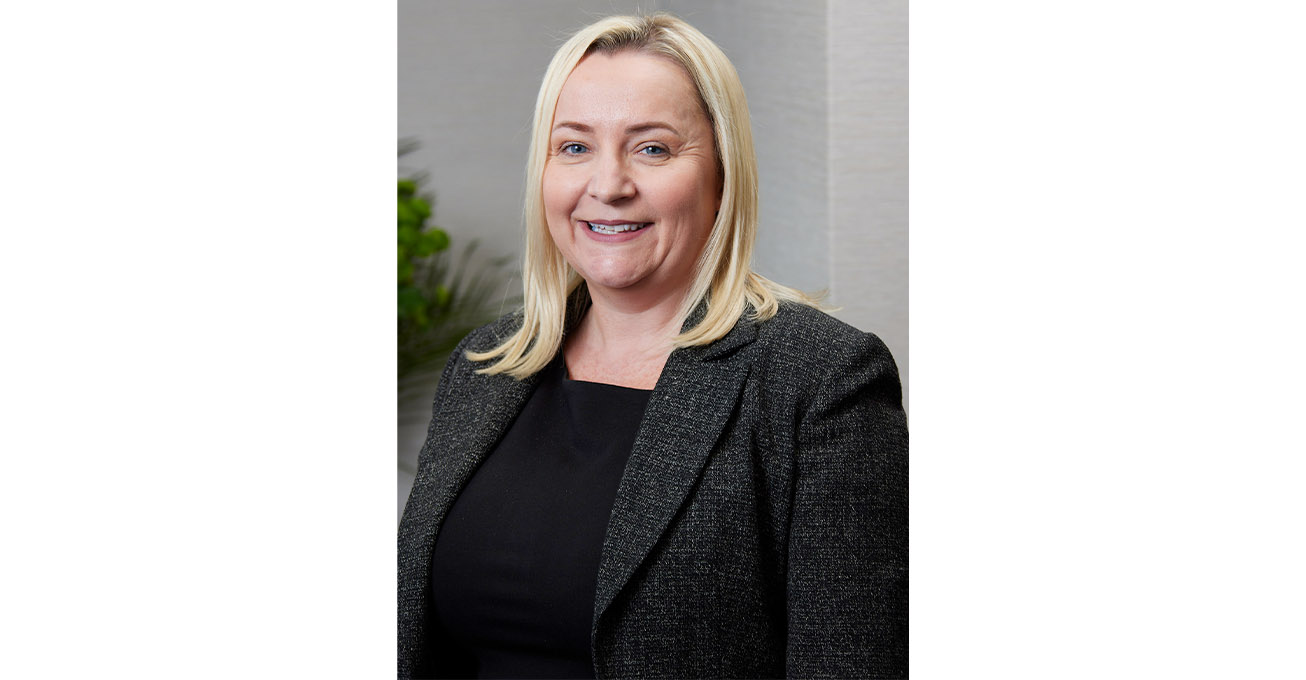
 Claire Howarth, Director of leading professional services and accountancy group DJH, explains why the budget still left a lot of unanswered questions.
Rachel Reeves has delivered her Budget through a carefully phased introduction rather than dramatic gestures, raising £26.1 billion by 2029-30.
The challenge? Economic growth forecasts have actually gone backwards, which raises questions about whether these measures will fund future prosperity or simply patch current gaps.
The threshold freeze to both income tax and National Insurance until 2031 will raise £8 billion, but it’s the classic stealth tax – as wages rise with inflation, more people drift into higher tax brackets without any vote on rate increases. It’s effective revenue collection, certainly, but it quietly chips away at take-home pay.
From our perspective as advisers, the pension salary sacrifice change is the trickiest. We’ve spent years helping clients build retirement savings through salary sacrifice because governments encouraged it. Now that same approach faces additional National Insurance charges worth £4.7 billion. It’s hard to give confident long-term advice when the goalposts shift like this.
The 2% percentage point rise on dividends, property income and savings affects many business owners who’ve already paid corporation tax on those earnings. Add reduced capital gains tax reliefs for employee ownership trusts from today – which we’ve been recommending as succession planning tools – and weaker capital allowances, and you can see why entrepreneurs might feel the Budget takes with one hand while giving modestly with the other.
There are positives – expanding EMI schemes from next year should help growing businesses attract talent, and scrapping the two-child benefit cap addresses a real social concern. But the EV mileage charge, starting in 2028, feels oddly timed given our climate commitments.
Put simply: businesses thrive on certainty and investment incentives. This Budget balances the books but leaves questions about whether it builds the foundations for the growth we actually need.