

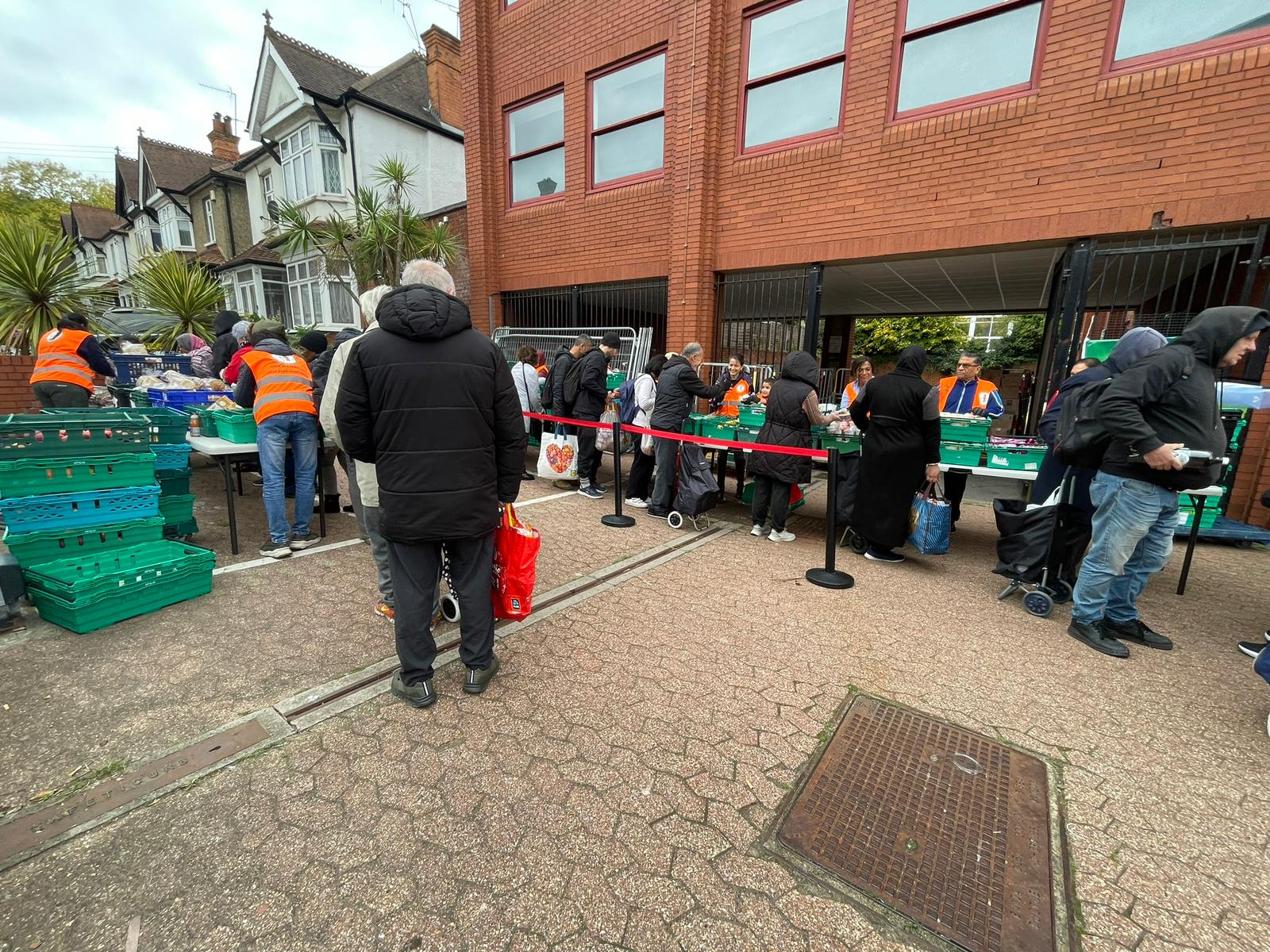
 The local youth charity’s foodbank at Harrow-on-the-hill, a crucial community service supporting more than 250 vulnerable households every week, is at risk of losing its premises for the first time in four years. The potential closure showcases the mounting pressures facing local charities and small organisations as rising costs and a broken business rates system threaten the survival of essential community services.
The foodbank, which serves families struggling to meet the most basic needs, provides not only food parcels but also hygiene products and baby essentials. Many of its users are families who cannot afford transport to other sites or are forced to make difficult choices between heating their homes and feeding their children.
Despite previous support from Harrow Council and ongoing support from local supermarkets, the foodbank now faces eviction as its rent-free premises become unavailable due to changing landlord circumstances. Without a new location, hundreds of residents could be left without accessible support.
“This foodbank is a lifeline for families who are right on the edge of financial stability. Without it every week, 250 households, which is open to all without the need of a GP or similar referral, will struggle to eat,” said Shaylesh Patel, a long-term volunteer and supporter of the charity. “We’ve helped the foodbank find and relocate before, but this time it is harder. More landlords would help when they can, but high business rates and exploited empty rates rules don’t always make it almost impossible to be offered rent-free space. The system simply isn’t working.”
A Broken System Hurting Communities
The plight of this youth charity’s foodbank highlights the wider failings of the UK’s business rates system, which continues to penalise small businesses and charitable organisations. While unethical landlords and agents unfairly exploit loopholes where it is most lucrative and easy to do. Large online retailers often benefit from lower relative liabilities, leaving the exploitation at higher rated local shops, in town centres. Charities like this one, that must be located close to those vulnerable households are the unintended victims of many exploitative landlords and agents because of these outdated property valuations and practices.
In high-cost areas like Harrow, these exploited empty rates relief loopholes discourage landlords from offering community spaces rent-free or at reduced rates. The result is councils collect less in business rates for its own crucial services and, for charities, there is a shortage of affordable premises for organisations that deliver frontline support; from foodbank’s to advice centres and youth projects.
Calls for Reform Ahead of the Budget
With the Autumn Budget approaching, business leaders, local councillors and community advocates are calling on the government to deliver meaningful reform. They are urging the Treasury to modernise the business rates system, reduce the burden on small occupiers, and incentivise landlords to support charitable use of vacant or underused commercial property.
“We need a fairer, more flexible system that reflects today’s economic realities,” said Shaylesh. “Charities like this youth charity’s self-created Foodbank shouldn’t be priced out of their communities. Every other part of this magic formula is in place and ready to continue. The enthused volunteers, experienced elders, local supermarkets, Felix Project, businesses that lend their vans and cars are all present. The only missing ingredient for this food project is a local unused space to gather and giveaway the food. The business rates system does currently encourage landlords to put empty units to good use, because insurance and business rates costs will go down, but without quashing other less ethical options, council and charities will suffer.”
A Call to Action
Harrow’s community leaders are now appealing to local businesses and property owners for urgent help in finding a new home for the foodbank. They also call on central government to recognise that without reform, vital community infrastructure will continue to disappear, leaving those most in need without support.