 The last year has been a tumultuous one for the automotive industry in particular. With so many motorists forbidden from travelling for large parts of the year, demand for new vehicles has been suppressed. What’s more, widespread disruption to global supply chains has made it difficult to get vehicles off the production line in the first place.
Amidst all of this has been a series of recent government policies designed to accelerate the switch to electric vehicles, and to make practicable the proposed ban on the sale of diesel and petrol vehicles, which is set to come in for 2030. So what is on the horizon for the automotive industry?
Online Sales
During the pandemic, visits by prospective customers to physical showrooms were made nearly impossible. The industry had to adapt, with online shopping and home delivery becoming widespread. While these practices were brought in out of necessity, many of them are likely to persist into the future. Many customers will now prefer the convenience and safety of being able to order a Mercedes with the click of a mouse, and have it turn up on the drive shortly afterwards. There are significant advantages from the dealer’s perspective, too, which should not be overlooked. For example, with more focus on an eCommerce strategy, a wider market can be accessed from around the country. Expect online sales to stay with us moving forward.
Increasing Share of EV and Hybrid
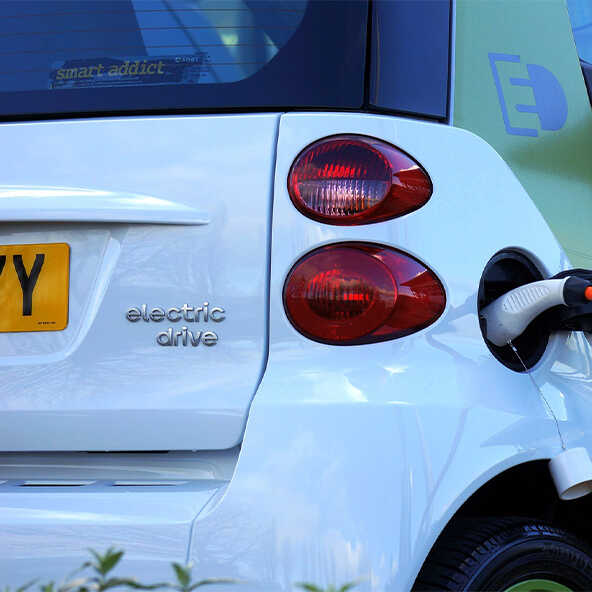
There’s little doubt now that the future of motoring is electric. It’s just a question of how long it’s going to take for that transition to come about. The UK government, as we’ve mentioned, is doing what it can do accelerate the process. There are sure to be challenges in incorporating electric vehicles into the existing road infrastructure, with existing filling stations having to gradually transition their model away from underground fuel tanks and toward high amperage charging stations. At present, these specialised stations are emerging only in heavily urbanised areas where EVs are especially prevalent. Over time, they will spread to other areas of the country as the demand for charging points rises with demand for EVs.
It is likely that certain remote areas of the country will be more resistant to the change – but gradually the electric infrastructure will accommodate this change around the country. For the time being, it isn’t just EVs that will benefit from the changes, but hybrid cars, too. These benefit from many of the same advantages, while retaining a few of the conveniences of an internal combustion engine. Note that it isn’t the sale of used ICE vehicles that’s being banned, so the value of these vehicles is likely to remain (relatively) buoyant throughout this transition period.