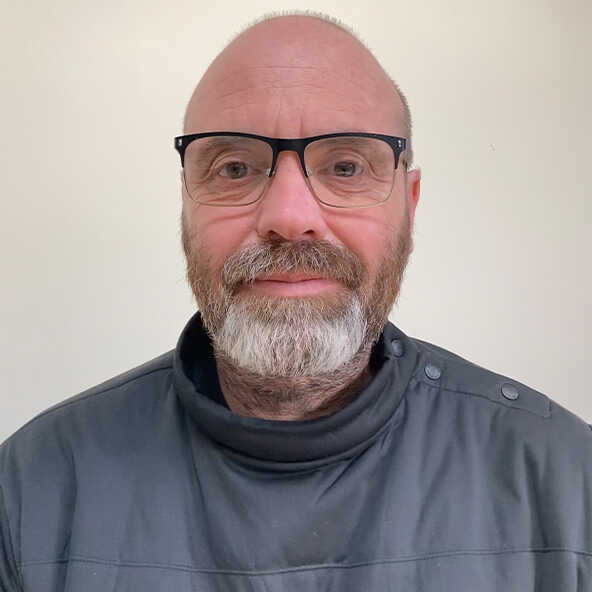
 The demand for tech skills has surged in the pandemic – and there’s no better time to choose a career in our fast-evolving digital world, whatever your background, according to Alun Edwards, design director at leading web and mobile app developers AtomicMedia.
The delivery of digital designs and projects has taken a huge, innovative leap forward in the last few months as many businesses raced to ramp up their commercial offerings.
And while these challenging times have seen great strides in collaborative working and creative thinking, we need a workforce able to develop the skills to come up through the ranks and keep on advancing.
There is a growing mismatch in the demand and supply of digital skills in the UK, which will only be accentuated by the economic fall-out of COVID-19, according to a report by technology trade association TechUK. Working alongside Deloitte, it calls for retraining the technically savvy but also to offer more support for those looking to enter the digital workforce.
It’s a view echoed by Alun Edwards and the experienced team at Nottingham-based AtomicMedia. The firm has a roster of leading clients across a range of sectors, with a major focus on creating a strong user experience (UX) as well as user interface design (UI) in its projects.
Alun believes that, while improved tech skills are crucial to the country’s economic fightback, you don’t need to be a fully-trained digital expert from the off to succeed in the sector…
Are you aware of a skills gap in the UX sector in particular?
I’d say the work we are doing now is very specialised and there aren’t a great deal of people around in this area that can deliver this type of work at the level that we do. It is quite demanding as the industry is changing all the time and that can be a challenge.
Having a background in UX/UI is great but we also look for personality traits that show you would fit in with our company. You need a sense of curiosity and an understanding of how to connect to an audience, certainly approaching things from a user-centric point of view.
Do you need a specific set of skills to work in this area?
There are a lot of people with interesting skills who may not have even thought of a career in this field. We need to be looking beyond the traditional. We know we can deliver across the tried and tested set sections but to add additional value and take it beyond what we know, we need some other input from other places and skills.
So you would look at people who aren’t digitally experienced at the outset?
Definitely. There are a lot of skill sets that are transferable across a number of different areas. Once you understand the idea of putting the user experience first, then that just transfers across lots of areas in the industry at the moment. It’s not just about being a traditional designer these days, it’s about thinking how you can solve a problem.
What particular skills stand out to you?
I’ve read quite a bit recently about how the next designer you should hire is an English graduate. So much of what we do isn’t written commentary but you have to be able to condense your thoughts into very accessible language – certainly to play back to a customer or convince them of the direction they should be going in. You need to set very clearly defined goals and strategies.
What are the advantages of having a good writing ability?
It can take a lot of effort to write in an engaging style when it doesn’t come naturally, whereas someone with an English degree or that kind of background would probably fly through. You can be good at shaping with pictures but you need to be able to shape with words too. So many usability issues can be fixed with good copy.
What is your own career background?
I’d originally been keen to join the Army and see the world but I’d always been able to draw a bit and eventually chose to study on a graphic design and illustration course at art college in Bradford, which stood me in good stead.
Back then there were lots of emerging technologies which meant you could turn your hand to a lot of things. But it’s when Mac computers came along that things really broke free. It meant you could do traditional graphic design and print but you could start delivering motion work and digital as well.
Is that what gave you a foothold in the industry?
I’d gone to meet a guy at a well-respected agency in Leeds in the 90s and he said he couldn’t give me work unless I could use a Mac because that is where the industry was at. It was the best advice – I spent the next year learning how to use a Mac at every possible spare moment. Since then I’ve taken on board all the advice and opportunities that people have given me.
What happened after that?
I took every bit of work experience I could to try to get my foot in the door – they were tough times for employment as it was post-recession. I invested a lot of time in improving myself and then got a job in Nottingham at quite a unique agency where we did a lot of work for music and clubland events, through marketing and promotions. It was very experimental and you had to be coming up with new stuff all the time.
I got to know a lot of talented people who came through Nottingham Trent University – everybody knew each other and it opened up a lot of connections in the city and beyond, to London and globally.
How much has the industry changed – and particularly during the pandemic?
There is a huge focus on user-centric design now. We’ve obviously seen big changes because of Covid and we’ve had to develop very collaborative ways of working, with colleagues as well as clients and by using the right tools. The software has opened up so many possibilities, such as being able to have a number of designers working on the same file at the same time.
We’re dealing with real-world problems that businesses face. We are designing real products that people have in their everyday lives and we can have a real effect on how they operate.
We can add real and tangible value to their business and reduce waste.
What would you say to someone starting out in the industry today?
Just keep on pushing yourself to reach the next level in your career – the possibilities are endless. Why would you ever want to stop trying to advance? I’m 48 now and some of what I’m encountering might be out of my comfort zone but I wouldn’t want to just settle.
When I talk to young designers these days I tell them that their career possibilities here at AtomicMedia are endless once they have developed a great set of skills. It’s a good time to be involved in the industry now – there’s a lot of variety and you can actually make quite a big impact.