
It is remarkably difficult to view the past twelve months in a positive light but, across the country, people have been creating new and innovative ways of managing the lockdown and Covid-19 crisis.
As the hospitality industry closed down, many of the ventures have been related to food and drink – keeping a little of the sparkle, even when people have had to stay at home. Here are some of the top food stories of the past twelve months.
School Holiday Meals
One of the biggest challenges facing parents whose children receive free school meals was how to provide for them during the extended homeschooling periods. Footballer Marcus Rashford began a campaign to prompt major changes in government policy regarding the provision of free school meals. The footballer, who has finished 2020 as an internationally recognised campaigner regarding child poverty and hunger, said in a film made by the BBC “There were times when there wasn’t any food, so you’d just go to sleep. The people that were closest to me knew about the situation me and my family were going through, but my team-mates and coaches didn’t.” The government is now providing food packages to families in England who would qualify for free school meals, in place of the vouchers originally offered.
Others have used their creativity in order to tackle child hunger, and offer resources to parents who are looking for guidance in making a range of healthy, affordable meals for children. A collective of grassroots organisations based in Wolverhampton and the surrounding area have taken it upon themselves to write a cookbook, aimed at parents and with the objective of feeding the whole family for less than £45 a week. The cookbook also provides nutritional information, alongside meal-planning and budgeting assistance, and wellbeing.
The government, alongside many local councils, are recognising the importance of providing for the nation’s children throughout the school holidays now and tackling child hunger seriously, and with long-term effect. Whilst this should have been a priority years ago, one of the positives to take from Covid-19 is that now this yearly difficulty for families is being addressed.
Make at Home
Another food-based endeavour which would not have been without lockdown, the last year has seen the emergence of hundreds of restaurants packaging their goods and sharing much-loved recipes.
According to a survey of people in five major European countries, the vast majority of people will cook meals at home the same amount, or even more, post-Covid. In research conducted by Bain & Company, just under 40% of people said they would be relying on ready meals less than before, and then a massive 60% said the same of eating in restaurants. There are a number of reasons that this data could be attributed to – the risk of exposure to Covid-19 is obviously key, and a huge concern for many people. However, with reduced spending power, restaurants will have to use Competitor Price Monitoring in order to stay afloat, and remain an attractive option for those who are choosing to eat at home.
These kits provide you with the ingredients and recipe to cook your favourite dishes from the menu. Participating restaurants include the acclaimed Petersham Nurseries in London, and the River Cafe. This has also seen rise to independent companies, looking for business. There are plenty of resources where you can find companies delivering nationwide.
Vegetable Boxes
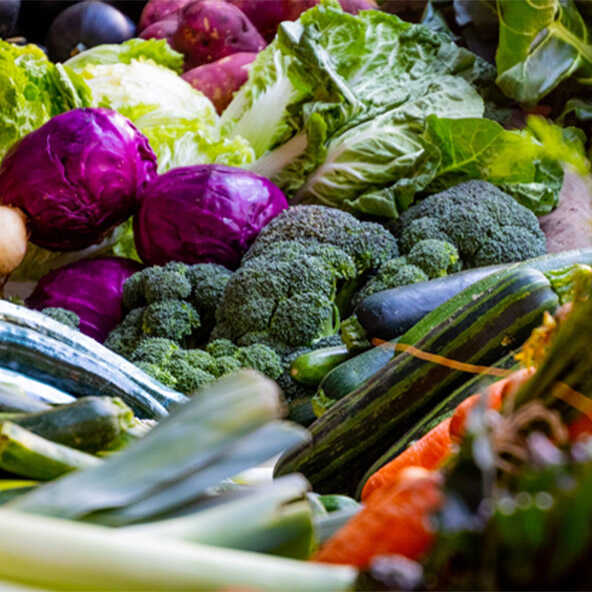
Veg boxes are available for delivery to the majority of UK homes. They might include veg that are ‘unconventional’ looking, and still perfectly edible, but that would be rejected from our supermarket’s shelves. In Glasgow, one veg box is supplying fruit and vegetables to the city that had been cultivated specifically for restaurants, which then had no need for them at the beginning of lockdown. Customers were receiving restaurant-quality veg delivered in a box to them every week.
Some boxes allow customers to select the veg they want, others operate on a more mysterious basis and, while you can guarantee you will get at least an onion, the rest is a surprise. These boxes may be more suitable for intermediate cooks, but getting a box of vegetables without having to haul carrots, potatoes and parsnips back from the supermarket on a weekly basis is a positive. These boxes also decrease food wastage, as the companies offer food that might otherwise have gone to landfill.
None of us have enjoyed the past year, but there have certainly been some opportunities for innovation in the foodie world. We will soon learn what is here to stay.